
Ghost moth
Endoclita excrescens
Description
How to identify
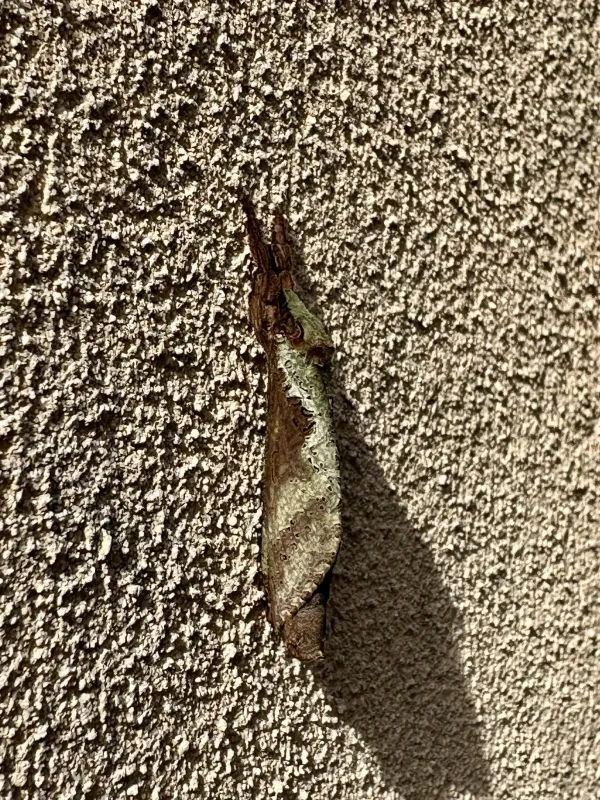
The ghost moth Endoclita excrescens belongs to the Hepialidae family, also known as swift moths. Adult moths are characterized by their nocturnal behavior and specific wing patterns that provide excellent camouflage on tree bark and soil surfaces.
Larvae, or caterpillars, have a pale body covered with small dark plates bearing bristles. These larvae are highly specialized for boring into plant tissues and living underground, which makes them difficult to observe.
The lifecycle consists of four distinct stages: egg, larva, pupa, and imago. The larval stage is the most critical for agricultural management, as it is the phase that causes direct economic loss to crops.
Adults do not feed and have a very short lifespan, meaning control measures should primarily focus on monitoring larval density or preventing egg-laying near susceptible plants.
Field identification requires careful inspection of the root zone and the base of plant stems, where characteristic signs of larval boring activity can often be found.
What it damages
The ghost moth is a significant polyphagous pest, meaning it feeds on a wide range of plant species. It is particularly notorious for damaging hop plantations, where larvae bore into the crown and rootstock.
Beyond hops, the larvae are known to attack various fruit and nut-bearing trees such as apples, pears, and walnuts. By tunneling into the wood, they disrupt the transport of nutrients and water.
Structural damage caused by larvae leads to reduced vigor of the host plant, resulting in stunted growth, leaf chlorosis, and eventually the death of branches or the entire plant.
In forest or nursery settings, young saplings are at the highest risk. A single larva can compromise the entire root system of a young tree, leading to irreversible physiological stress.
The presence of boreholes in the wood often attracts secondary pests and facilitates the entry of pathogens, which exacerbates the decline of the infested host.
When it appears
Adult moths emerge during the mid-to-late summer months. During this peak period, they mate and lay eggs, which are typically scattered over the soil surface near the host plants.
Once the eggs hatch, the young larvae immediately seek out the roots or the lower stems of plants to begin their feeding cycle, often remaining protected within the plant tissue.
The larvae overwinter in deeper soil layers or within the infested wood, where they are protected from low temperatures, waiting for the spring season to continue their development.
Active feeding usually resumes in the spring when temperatures rise and plant growth initiates. This is the period when damage becomes most visible to agronomists.
The total larval development period can vary, sometimes lasting over a year, depending on the environmental conditions and the specific host plant available to the larvae.
Signs of infestation
The most reliable sign of an infestation is the sudden wilting of leaves or entire plant sections despite adequate irrigation, which suggests damage to the vascular system.
Near the base of the plant, one might find frass (larval excrement) mixed with soil particles, indicating active tunneling near the crown or roots.
Small holes in the bark or root collar, sometimes covered by delicate silken webbing spun by the larva, are typical indicators of an active ghost moth presence.
For crops like hops, an uneven growth pattern or the presence of yellowing, unproductive vines is a strong signal to inspect the underground parts of the plant.
In cases of tree infestation, longitudinal cracks or sap oozing at the borehole site are common physical signs of the caterpillar's internal boring activity.
Control measures
Cultural practices remain the most effective long-term strategy. Deep cultivation around the base of trees or in between rows disrupts the soil environment, exposing larvae to predators.
Chemical control can be implemented using systemic insecticides, although timing is crucial; treatments should be applied when young larvae are active and before they tunnel deeply into the wood.
- Maintaining clean cultivation to reduce favorable egg-laying sites.
- Manual removal and destruction of heavily infested plant parts.
- Utilizing pheromone traps for monitoring adult flight periods.
- Applying entomopathogenic fungi or nematodes as biocontrol agents.
Preventative measures, such as ensuring proper soil moisture and nutrient availability, help plants recover from light infestations and improve general resilience.
Regular monitoring using light traps for adults and inspecting for frass in the spring allows for a proactive approach to managing the population before it reaches economic injury levels.
Discussion
No discussions yet — be the first.