
Caraway moth
Depressaria nervosa
Description
How to identify
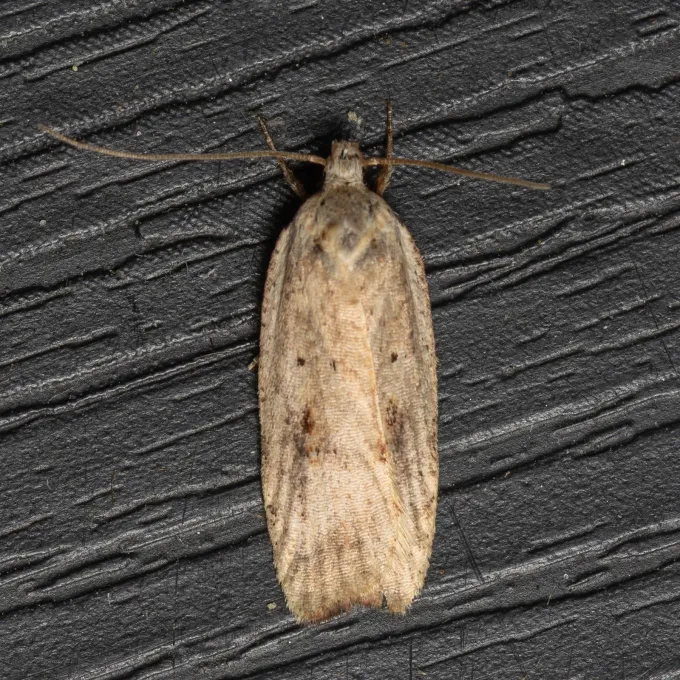
The caraway moth, scientifically known as Depressaria nervosa, belongs to the Depressariidae family. The adult moth has a wingspan of approximately 20 mm, with forewings featuring greyish-brown patterns and dark longitudinal streaks, which act as excellent camouflage on host plants.
The larvae are about 15–18 mm long and vary in color from light green to brownish. They are covered with sparse hairs and have dark chitinous plates on the head and thoracic segments, serving as a reliable identification feature for field scouting.
Adult moths are responsible for overwintering, seeking shelter in plant debris, tree bark crevices, or farm buildings. Once spring temperatures rise consistently, the adults emerge to feed and begin the mating process to start a new generation.
The life cycle undergoes complete metamorphosis, consisting of egg, larva, pupa, and imago stages. Depending on the geographical region and climate, the species typically produces one or two generations per year, requiring vigilance during the crop's flowering phase.
Females lay their eggs mainly on the flower buds or young leaves of host plants. High fecundity allows the population to increase rapidly, especially in areas where wild Apiaceae species are abundant, providing a continuous food source for the pest.
What it damages
Depressaria nervosa is a specialized pest primarily targeting crops in the Apiaceae family. It poses a significant threat to caraway, dill, fennel, and coriander, as the larvae feed specifically on the generative parts of these plants.
The economic impact is high, particularly for seed production crops, as larvae target the flower umbels. By feeding on buds and blossoms, they prevent pollination and seed set, leading to substantial yield losses in affected fields.
Signs of infestation
The first indicator of an infestation is the presence of silk webs on the flower heads. Larvae tie the umbels together with silk, creating a protective nest where they feed undisturbed by environmental conditions or natural enemies.
Damage symptoms include chewed buds, flowers, and ovaries. Plants look stunted, with withered or distorted umbels. Close inspection of the silk nests usually reveals the larvae themselves or their dark frass, confirming the presence of the infestation.
Widespread flower drop and the absence of developing seeds are classic signs of heavy pest pressure. When left unchecked, the larvae can destroy a large percentage of the flower heads, significantly reducing the final harvested seed weight.
Control measures
Effective management begins with sanitation, such as removing plant residues after harvest to destroy overwintering sites. Deep autumn plowing is a recommended cultural practice to disrupt the life cycle of the pupating or overwintering moths.
Chemical control involves applying insecticides during the early stages of larval development. It is crucial to act before the larvae construct heavy silk nests, which act as physical barriers that protect the pest from contact pesticides.
Biological alternatives, such as using Bacillus thuringiensis-based products, provide an effective and environmentally friendly way to control young larvae without harming essential pollinators like honey bees visiting the flowering crops.
Integrated pest management strategies include using pheromone traps for monitoring. This allows farmers to detect the peak flight period and time their control measures precisely, ensuring maximum efficacy while minimizing the total amount of chemicals used.
Maintaining a good crop rotation schedule and preventing the spread of wild Apiaceae weeds around the fields are essential. By keeping the agricultural environment clean, farmers can lower the pest population pressure on their primary commercial crops.
Discussion
No discussions yet — be the first.