
Fruit fly Dacus pullescens
Dacus pullescens
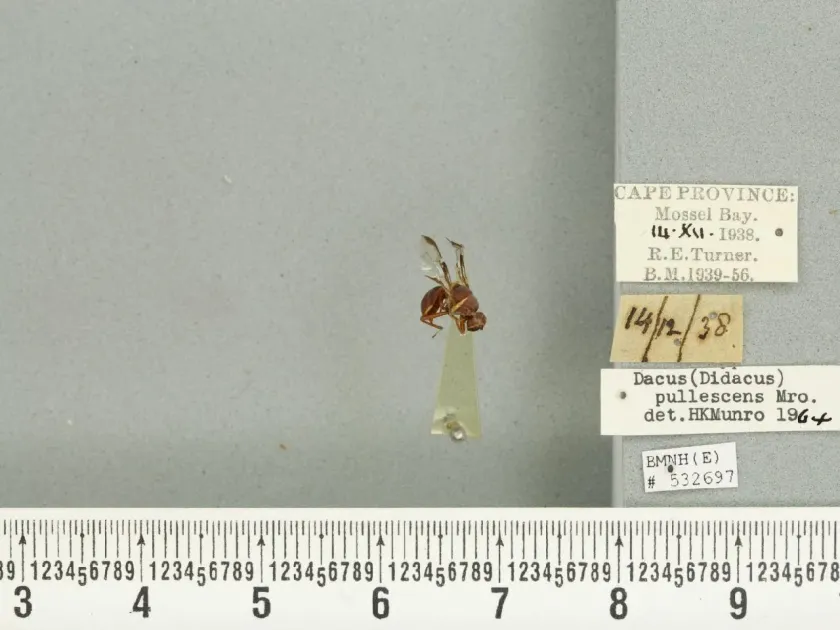
Description
How to identify
Dacus pullescens is a species of insect belonging to the family Tephritidae (fruit flies) within the order Diptera. Adults are characterized by specific morphological features, including wing patterns and body coloration that distinguish them from related species.
The life cycle encompasses four developmental stages: egg, larva, pupa, and adult. This species is known for its reproductive efficiency and ability to thrive in various climatic conditions within its native range.
Precise identification typically involves professional morphological examination of wing venation and male genital structures. In the field, scientists often rely on attractants and pheromone traps to identify the presence of this specific fly.
Optimal conditions for reproduction include moderate temperatures and adequate humidity. These factors facilitate rapid development from the egg stage through the larval instars as they feed within host fruits.
Pupation primarily occurs in the soil beneath host plants, which provides a protective environment against environmental fluctuations and natural predators during the pupal stage.
What it damages
The primary economic damage is caused by the larval stage, which feeds on the internal tissues of host fruits. The species impacts a diverse range of orchard crops and horticultural plants within its distribution area.
The damage begins when a female uses her ovipositor to puncture the fruit skin and deposit eggs. These puncture wounds serve as entry points for various pathogenic microorganisms, leading to rapid decay.
As larvae feed, they tunnel through the fruit, destroying its physical integrity and making it unsuitable for human consumption or commercial sale. Infested fruit loses all marketability.
In outbreaks, Dacus pullescens can cause devastating crop losses, sometimes affecting nearly the entire harvest of susceptible tree species. This presents a major challenge for local agriculture.
Beyond physical consumption, the larvae facilitate secondary infections, including fungal rots and bacterial diseases, which can spread to healthy neighboring fruits and impact overall tree health.
Signs of infestation
Early signs of infestation include small, subtle puncture marks on the fruit epidermis. These marks are often the only visible evidence until significant internal damage has already occurred.
Over time, the fruit skin around the puncture site may become discolored or soft. Internally, the flesh begins to liquefy, often accompanied by a distinct, unpleasant odor caused by larval feeding and associated decay.
Premature fruit drop is a strong indicator of an active infestation. Many fallen fruits may appear sound on the exterior, but internal inspection reveals larvae feeding within the pulp.
If suspicious fruit is cut open, one can find distinct tunnels and the larvae themselves. This diagnostic step is crucial for assessing the severity of the infestation in an orchard.
Monitoring with specialized traps that emit attractants is an effective way to detect the fly's presence before it begins egg-laying, allowing for earlier intervention.
Control measures
Sanitation is the cornerstone of managing Dacus pullescens. Daily collection and proper disposal of fallen fruit prevents larvae from entering the soil to pupate, significantly reducing the population in the next cycle.
The deployment of pheromone-based traps serves as a primary tool for population monitoring, helping farmers decide when intervention is necessary to protect the harvest.
Biological control strategies, such as utilizing natural predators or entomopathogenic fungi, offer sustainable options for suppressing fly populations without heavy reliance on synthetic chemicals.
- Rigorous daily removal of all fallen fruit from the orchard floor.
- Autumn soil cultivation to expose and kill overwintering pupae.
- Using fruit-protecting mesh bags for high-value varieties.
- Targeted application of approved insecticides during the adult flight period.
Chemical control must be timed precisely to target adult flies before they lay eggs. Integrating these methods with cultural practices is essential for achieving long-term management of this agricultural pest.
Discussion
No discussions yet — be the first.