
Mealybug Rastrococcus iceryoides
Rastrococcus iceryoides
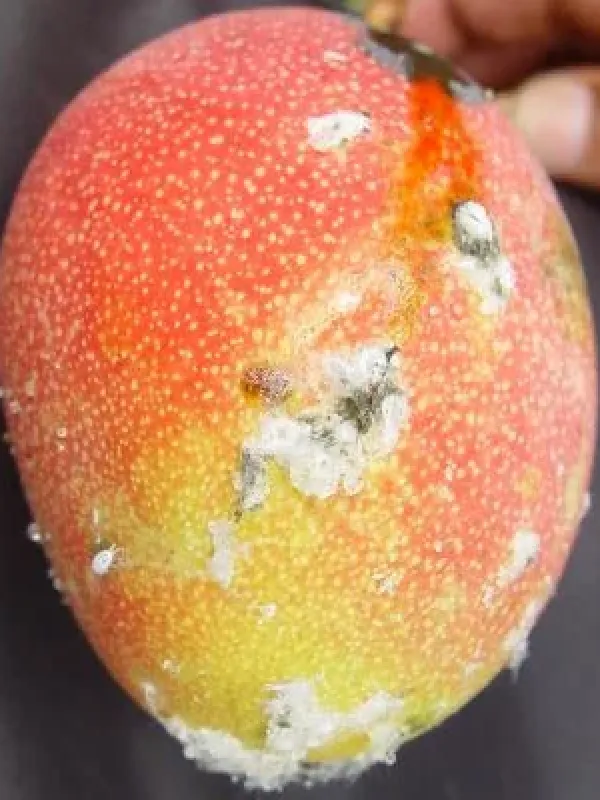
Description
How to identify
Rastrococcus iceryoides is an insect species belonging to the order Hemiptera and the family Pseudococcidae, commonly known as mealybugs. They are small, sap-sucking insects characterized by a protective waxy secretion that covers their bodies.
The females are typically oval-shaped and covered in white waxy filaments, which act as a defense against environmental factors. Males are significantly rarer, winged, and primarily involved in the reproductive cycle.
These pests prefer to aggregate on young stems, the underside of leaves, and near leaf petioles. Their colonial behavior makes them relatively easy to spot if a thorough inspection of the plant is conducted.
Accurate identification of Rastrococcus iceryoides often requires microscopic analysis of adult morphological features to distinguish it from other related species within the genus Rastrococcus.
The life cycle encompasses eggs, several nymphal stages, and adults. Females deposit eggs into specialized waxy structures called ovisacs, which provide a stable microenvironment for egg development.
What it damages
This mealybug attacks a wide range of agricultural crops and ornamental plants. It is particularly notorious for causing significant economic losses in mango orchards, citrus plantations, and various ornamental species like Ficus.
By extracting sap from plant tissues, the mealybug weakens the host plant significantly. This process leads to stunted growth, distorted young shoots, and a general decline in the plant's health and vigor.
Infested leaves tend to yellow, curl, and eventually drop prematurely. In cases of severe infestation, entire branches may dry up, leading to a drastic reduction in fruit yield and overall plant production.
A major indirect threat is the excretion of honeydew, a sugary byproduct that coats the leaves. This substance serves as a substrate for sooty mold fungi, which block photosynthesis and reduce the plant's capacity for energy production.
Furthermore, Rastrococcus iceryoides is a suspected vector for various plant viral diseases. The transmission of these viruses during feeding can cause long-term damage to the plant's systemic health.
When it appears
The activity of this pest is heavily influenced by climate conditions. In tropical and subtropical regions, the mealybug can remain active and reproduce throughout the year, lacking a distinct seasonal diapause.
Population density typically peaks during active growth phases of the host plant, when abundant fresh foliage provides the necessary nutrients for the development of multiple consecutive generations.
Temperatures between 25°C and 30°C significantly accelerate the development rate of the species. Under these conditions, the pest can complete its life cycle in a very short time, leading to rapid population explosions.
Periods of water stress or drought often increase plant susceptibility. As the plant loses turgor pressure, the ease with which the mealybug can penetrate the plant tissue increases, facilitating rapid colonization.
Dispersal to new areas primarily occurs through the transport of infested plant materials. Ants also play a crucial role in the survival and spread of the pest by protecting them and moving them to fresh feeding sites.
Signs of infestation
The presence of white, cotton-like masses on stems, leaf axils, and petioles is the most reliable sign of an infestation. These are the ovisacs produced by female mealybugs.
Sticky residue on the leaves or the ground beneath the plant indicates the presence of honeydew. This is often accompanied by an increased presence of ants that feed on the sugary substance.
The development of a black, velvety coating on the foliage, known as sooty mold, is a secondary symptom of a severe mealybug infestation that has been ongoing for some time.
Distorted growth, such as twisted shoots or curled leaves, is a common indicator of mealybug feeding activity within the vascular system, leading to impaired sap flow and structural deformation.
In advanced cases, the plant may show generalized chlorosis or wilting despite adequate watering. This indicates that the insect population has drained significant energy resources from the plant.
Control measures
Managing Rastrococcus iceryoides requires an integrated approach that utilizes cultural practices, biological control, and judicious application of chemical insecticides.
Mechanical removal by pruning and disposing of heavily infested plant parts is a vital first step. This immediately lowers the pest population and prevents further spread to healthy parts of the plant.
Systemic insecticides, such as those containing neonicotinoids or spirotetramat, are effective because they are absorbed into the plant's sap, providing long-term protection against these sucking pests.
Biological control methods involve the introduction or conservation of natural enemies such as ladybird beetles, lacewings, and parasitic wasps, which can naturally regulate mealybug numbers in the field.
Strict quarantine protocols for imported plant material and active monitoring of ant populations are essential preventative measures to prevent the establishment and expansion of this pest on new sites.
Taxonomy
- Latin name
- Rastrococcus iceryoides
- Order
- Hemiptera (bugs, aphids, leafhoppers)
- Family
- Pseudococcidae
- EPPO code
- PHENOB
Discussion
No discussions yet — be the first.