
Mealybug Pseudococcus elisae
Pseudococcus elisae
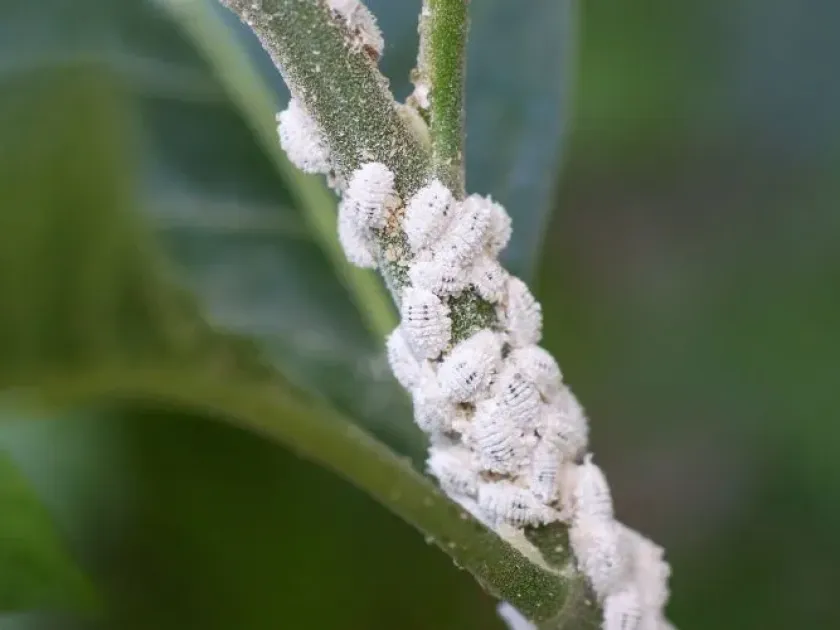
Description
How to identify
The mealybug Pseudococcus elisae belongs to the Pseudococcidae family within the Hemiptera order. It is a significant pest characterized by a white waxy secretion that covers its body, providing protection against dehydration and chemical treatments.
Adult females are oval-shaped and typically white or pale yellow, though the heavy waxy coating makes them appear pure white. They are equipped with waxy filaments along their margins, which are characteristic of this genus.
Male Pseudococcus elisae are winged, much smaller than females, and do not feed, as their sole purpose is to locate females for reproduction. The females, however, remain stationary or move slowly while feeding on the phloem of host plants.
The biology of this species is highly adapted to warm climates. In greenhouses or tropical environments, the insect can reproduce continuously, with multiple generations overlapping throughout the year if conditions remain favorable.
Reproduction involves the production of white, cotton-like ovisacs (egg sacs). A single female can deposit hundreds of eggs within these protective structures, which effectively shield the eggs until the crawler stage nymphs hatch and emerge.
What it damages
This species is a polyphagous pest, with a particular impact on banana plantations, cocoa, and various ornamental plants. It prefers feeding on tender tissues, such as young leaves, shoot tips, and the base of fruit stalks.
By inserting their stylets into the plant's phloem, these insects extract vital nutrients and sap. This feeding process causes the plant to lose vigor, leading to yellowing of foliage, stunted growth, and potential dieback of infested branches.
On banana plants, Pseudococcus elisae often hides underneath the bracts of the fruit. Their presence causes the fruit to become discolored and deformed, significantly reducing its commercial value and export potential.
A secondary issue caused by this pest is the secretion of honeydew. This sticky substance serves as an ideal substrate for the growth of sooty mold, a fungus that covers the plant surfaces and blocks light, further hindering photosynthesis.
Furthermore, mealybugs are recognized vectors for several plant viruses. Once the virus enters the plant system via the insect's saliva, it can lead to systematic infections, causing long-term damage or even plant death.
Signs of infestation
The most distinctive sign of a Pseudococcus elisae infestation is the presence of fluffy, white, cotton-like clusters found in leaf axils or on the stems. These are the egg sacs created by the adult females.
Sticky residue, known as honeydew, found on the leaves or the ground beneath the plant is a clear indicator of a heavy infestation. Over time, this honeydew turns black due to the development of sooty mold fungus.
Visible decline in plant health, characterized by yellowing leaves, premature leaf drop, and stunted flower development, often follows an undetected infestation. In severe cases, the entire plant may appear weak and sickly.
The presence of ants roaming over the plant is often a strong indicator of mealybug activity. Ants frequently "farm" these insects, protecting them from predators in exchange for the sugary honeydew they secrete.
- Cotton-like white egg sacs on stems.
- Sticky honeydew coating on leaves.
- Black sooty mold growth on foliage.
- Deformed or stunted new growth.
- Yellowing and wilting of plant tissues.
Control measures
Managing Pseudococcus elisae requires an integrated approach. Because the waxy coating is water-repellent, contact insecticides are often ineffective. Systemic insecticides that move through the plant's vascular system are generally preferred.
Biological control using natural enemies is highly effective in protected cultivation. Predator species such as the ladybird Cryptolaemus montrouzieri are frequently introduced to feed on mealybug colonies, significantly suppressing their population.
Strict phytosanitary practices are essential to prevent the introduction of this pest into new areas. Inspecting all incoming planting material and maintaining strict quarantine protocols for new plants can prevent widespread outbreaks.
Cultural methods, including pruning and removing heavily infested branches or plants, are vital to reducing the initial pest pressure. Keeping plants healthy with appropriate fertilization and irrigation also enhances their natural resilience.
Regular monitoring using pheromone traps and manual inspections helps detect colonies before they become unmanageable. Applying horticultural oils can help dissolve the waxy layer of the mealybug, making them more vulnerable to subsequent treatments.
Taxonomy
- Latin name
- Pseudococcus elisae
- Order
- Hemiptera (bugs, aphids, leafhoppers)
- Family
- Pseudococcidae
- EPPO code
- PSECEL
Discussion
No discussions yet — be the first.