
Palm mealybug
Palmicultor lumpurensis
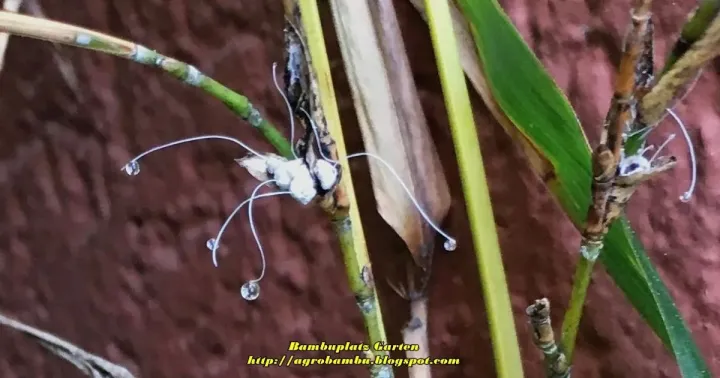
Description
How to identify
The Palm mealybug (Palmicultor lumpurensis) is a small sap-sucking insect belonging to the family Pseudococcidae, order Hemiptera. These pests are notorious for their ability to thrive on various palm species in indoor environments.
Adult females are characterized by an oval body covered in a dense, white, waxy secretion that acts as a waterproof shield, providing significant protection against many common pesticide sprays.
First-instar nymphs, commonly referred to as "crawlers," are small, yellow, and highly mobile, allowing them to disperse across the host plant or jump to neighboring plants easily.
Male mealybugs are short-lived winged insects, which rarely feed, as their entire biological purpose is to locate females for reproduction during their brief adulthood.
Detection is often difficult because they prefer secluded areas such as leaf axils, the bases of petioles, and the tightly wrapped surfaces of developing fronds, where they remain shielded from view.
What it damages
Palmicultor lumpurensis primarily affects plants in the Arecaceae family. They are a frequent problem in conservatories, botanical gardens, and indoor plant collections where palm trees are maintained.
By using their piercing-sucking mouthparts, they drain plant sap, which leads to general chlorosis, dehydration, and a significant loss of vitality in the host plant.
As they feed, they excrete honeydew, a sticky substance that promotes the growth of sooty mold, which blocks sunlight and hinders the plant's natural gas exchange processes.
Heavy infestations result in leaf yellowing, distorted growth patterns, and in severe cases, the death of the palm if the infestation reaches the apical meristem or "heart" of the palm.
The reduction of decorative value is immediate, and the presence of these insects often complicates the maintenance and aesthetics of expensive ornamental palms.
When it appears
Inside greenhouses and homes, the Palm mealybug is active throughout the year, as temperature control prevents the cold-induced dormancy seen in outdoor pests.
Population surges occur most frequently during warmer months, as higher temperatures significantly reduce the life cycle duration, leading to faster reproduction rates.
While reproduction might slow down during the darker, cooler winter months, the pest remains active and continues to feed on the host plant year-round.
Movement between plants is facilitated by drafts in enclosed spaces and the tendency of crawlers to be dispersed by even the slightest air currents.
Most outbreaks in controlled collections are attributed to the introduction of non-quarantined new plants, which serve as a primary vector for the initial infestation.
Signs of infestation
The most distinctive symptom is the presence of white, cotton-like masses, which are actually protective waxy coverings surrounding eggs and adult female insects.
Sticky residue or "honeydew" on leaf surfaces or the floor beneath the plant is a strong indicator of an active, feeding colony on the upper parts of the palm.
Sooty mold, appearing as black, soot-like dust on the foliage, is a secondary sign that indicates a long-standing and heavy infestation of the plant.
- Wilting or yellowing of the fronds that does not respond to regular irrigation.
- Stunted, deformed appearance of new emerging leaves.
- Visible white flecks or "crust" at the base of the petioles and along the leaf veins.
Upon closer inspection with a magnifying glass, the tiny, pale-colored insects can usually be observed in the folds of the plant structure.
Control measures
Initial control efforts should focus on immediate isolation of the infested plant to protect the rest of the collection from spreading crawlers.
Mechanical removal by carefully cleaning affected areas with a cotton swab dipped in isopropyl alcohol is an effective way to physically reduce the pest population.
Systemic insecticides, particularly those containing neonicotinoids, are generally the most effective professional solution, as the toxin is absorbed by the plant tissues.
Care must be taken to choose products registered for indoor or greenhouse use to ensure the safety of people and pets in the immediate environment.
Ongoing monitoring is essential; regular inspections of new acquisitions and maintaining good sanitation practices are the cornerstones of long-term prevention.
Taxonomy
- Latin name
- Palmicultor lumpurensis
- Order
- Hemiptera (bugs, aphids, leafhoppers)
- Family
- Pseudococcidae
- EPPO code
- TRINLU
Discussion
No discussions yet — be the first.