
Hypogeococcus
Hypogeococcus
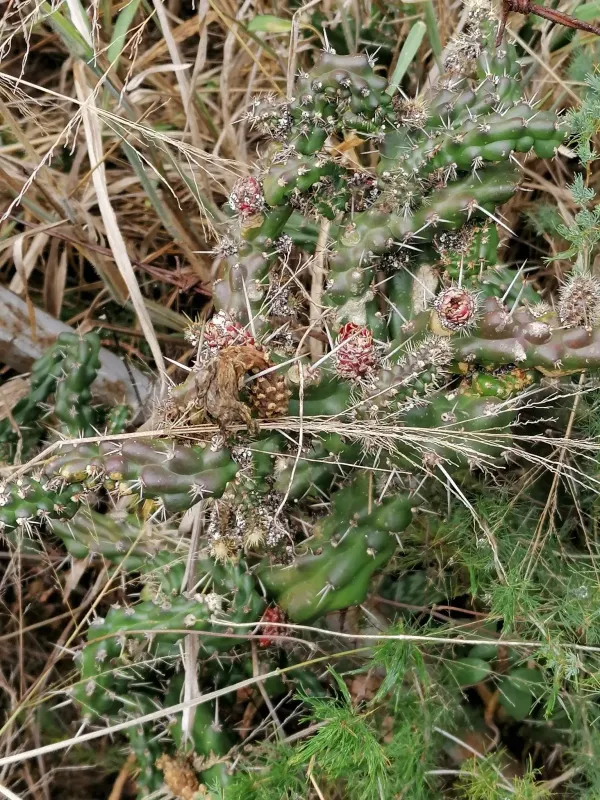
Description
How to identify
Hypogeococcus is a genus of insects within the family Pseudococcidae, commonly known as mealybugs, belonging to the order Hemiptera.
These pests are characterized by their small, soft bodies covered in a white, powdery wax secretion, which serves as a protective layer against environmental stress.
Adult females are wingless and stationary feeders, while the adult males are small, winged, and rarely seen because they do not feed and have a very short lifespan.
The first-instar nymphs, often called "crawlers," are the most active stage, facilitating the rapid spread of the population across host plants.
Identification often relies on finding these white cotton-like colonies in crevices, leaf axils, or on the root systems of susceptible plants.
What it damages
Hypogeococcus species primarily infest a variety of ornamental plants, especially cacti and other succulent species grown in glasshouses and gardens.
By piercing plant tissues and extracting nutrient-rich phloem sap, the pests weaken the overall structural integrity and physiological health of the plant.
Heavy infestations can lead to significant physiological decline, characterized by stunted growth, leaf chlorosis, and in severe cases, the death of the plant.
The feeding activity often results in the distortion of new growth and flowers, rendering ornamental plants unsellable and causing economic losses.
These pests are notorious for their ability to thrive in hidden locations, making them persistent threats in plant nurseries and botanical collections.
Signs of infestation
The most distinctive sign of a Hypogeococcus infestation is the presence of white, wax-like fluffy deposits that look like cotton or snow on the plant body.
Affected plants often appear weak, with leaves drooping, yellowing, or dropping prematurely due to the loss of cell sap and toxins injected during feeding.
The excretion of honeydew by the mealybugs serves as a substrate for the growth of sooty mold, which appears as a black coating on the leaves and stems.
Root infestations can be identified by pulling the plant from its pot and observing white, fuzzy masses clinging to the soil particles and root hairs.
A sudden decline in plant vigor or the appearance of deformed, stunted stems are common indicators that a hidden colony has established itself.
Control measures
Strict quarantine measures and thorough inspection of incoming plant materials are the most effective ways to prevent the introduction of this pest.
Systemic insecticides applied as soil drenches or sprays are highly effective as they are absorbed by the plant and neutralize the mealybugs during feeding.
For small-scale infestations, manual removal using cotton swabs dipped in isopropyl alcohol can be effective if done consistently over several weeks.
Biological control methods involve the release of specialized predators, such as the ladybird beetle Cryptolaemus montrouzieri, which preys upon mealybugs.
Good cultural practices, such as maintaining optimal plant health and avoiding overcrowding in greenhouses, help make plants less susceptible to major outbreaks.
Taxonomy
- Latin name
- Hypogeococcus
- Order
- Hemiptera (bugs, aphids, leafhoppers)
- Family
- Pseudococcidae
- EPPO code
- HPGCSP
Discussion
No discussions yet — be the first.