
Heterococcus
Heterococcus
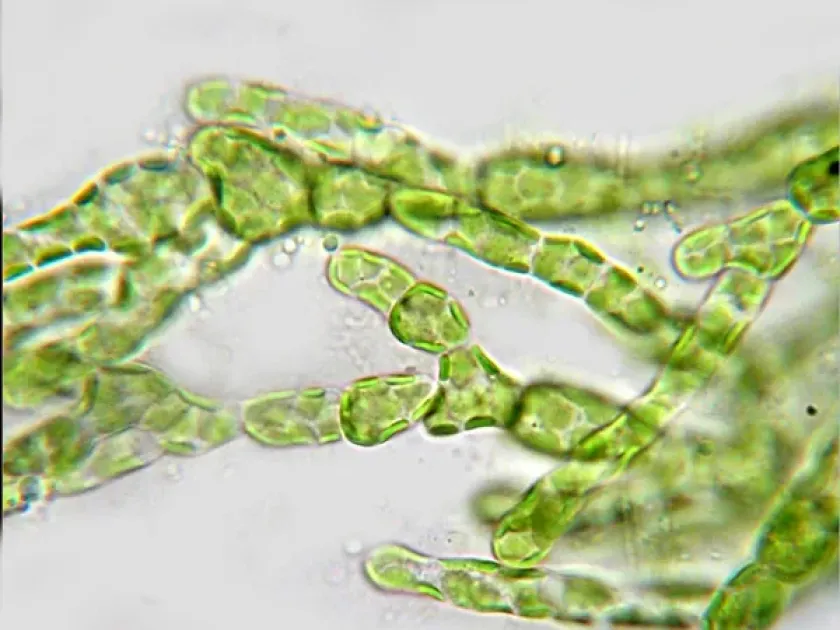
Description
How to identify
Heterococcus is a genus of insects belonging to the mealybug family (Pseudococcidae), characterized by their distinctive white waxy appearance.
These insects are generally small and sedentary, often found hiding in the sheltered parts of the plant such as leaf axils and crevices.
The adult females are covered in a powdery wax secretion, which serves as a protective barrier against moisture loss and chemical exposure.
Males, although winged and capable of flight, are rarely seen as they do not feed and have a very short lifespan dedicated entirely to mating.
Identification often requires careful inspection of the plant architecture, as their camouflaged bodies blend in with plant fibers and woolly growth.
What it damages
The primary damage caused by Heterococcus involves the extraction of plant sap, which leads to general nutrient depletion and stress.
Feeding activities cause significant yellowing of leaves and can lead to necrosis or premature leaf abscission if the infestation is severe.
The excretion of honeydew by the insects creates a sticky film on the leaves, which encourages the growth of sooty mold, blocking essential sunlight.
In addition to physical feeding damage, these pests can be vectors for various phytopathogenic viruses that further deteriorate plant health.
Younger plants and cuttings are particularly susceptible, often failing to establish or dying due to the direct impact of the pest population.
When it appears
Under controlled greenhouse environments, Heterococcus can thrive year-round, maintaining continuous overlapping generations.
Population density typically peaks during warmer seasons when increased metabolic rates lead to faster egg hatching and maturation cycles.
Indoor infestations are often exacerbated by stable temperatures and the absence of natural predators that would otherwise control the population.
During the cooler months, population growth slows down significantly, though the pest remains active in hidden areas protected from cold drafts.
Spread between plants is often facilitated by human activity, such as moving pots or using shared gardening tools without proper disinfection.
Signs of infestation
The most prominent sign is the presence of white, cotton-like masses, especially visible where stems meet leaves or along the veins.
Honeydew accumulation makes leaves feel sticky to the touch and attracts ants, which often protect the mealybugs from predators.
Plants affected by a chronic infestation show stunted development, with new growth appearing twisted, curled, or chlorotic.
- Cottony white waxy secretions
- Sticky honeydew residue on foliage
- Sooty mold growth (black spots)
- Wilting and yellowing leaves
- Reduced plant vigor and growth
In cases of severe infestation, the foliage may look prematurely aged or desiccated despite adequate watering practices.
Control measures
Early intervention is critical; start by isolating the affected plant to prevent the spread of crawlers to other healthy specimens.
Mechanical removal using a cotton swab dipped in isopropyl alcohol is highly effective for localized infestations on small plants.
Application of systemic insecticides via soil drenching ensures that the toxin is ingested by the pest during its normal feeding process.
Biological control agents, such as predatory beetles or lacewings, can be introduced in large-scale greenhouse operations to suppress populations.
Consistent monitoring and maintaining optimal plant health are the best preventative measures to avoid large-scale outbreaks of this pest.
Taxonomy
- Latin name
- Heterococcus
- Order
- Hemiptera (bugs, aphids, leafhoppers)
- Family
- Pseudococcidae
- EPPO code
- HETSSP
Discussion
No discussions yet — be the first.