
Coccidohystrix
Coccidohystrix
Description
How to identify
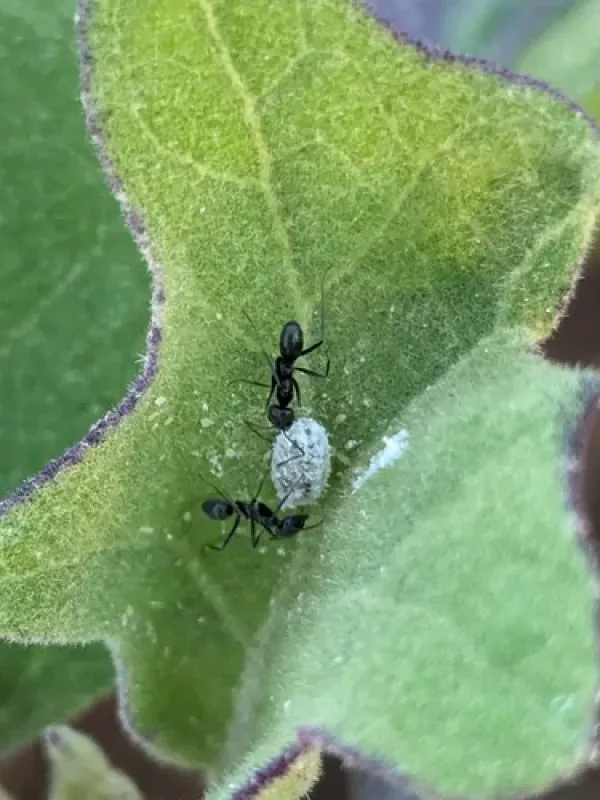
Coccidohystrix is a genus of insects belonging to the family Pseudococcidae, commonly known as mealybugs, within the order Hemiptera. Adult females possess an oval body covered in a white waxy secretion that acts as a protective layer against environmental factors and chemical treatments.
Males are rarely observed; they are winged and exist solely for reproduction. In their natural habitat, these pests prefer hidden areas such as leaf axils, underneath bark scales, or deep within the root zone of host plants.
A distinctive trait of this genus is the high fecundity of the females, which deposit eggs into specialized ovisacs composed of white waxy filaments. The larvae, often called crawlers, are highly mobile and are the primary agents responsible for spreading the infestation to new plant tissues or nearby hosts.
Adult sizes typically range from 2 to 5 millimeters, with coloration varying from pale pink to greyish-white, depending on the thickness of the wax cover. Upon visual inspection, they are easily mistaken for fungal patches or small tufts of cotton wool.
Taxonomically, this pest is a dangerous sap-sucking insect. Its specialized mouthparts are perfectly adapted to pierce the plant epidermis and feed on phloem sap, which leads to rapid nutritional depletion and overall weakening of the host plant.
What it damages
Coccidohystrix affects a wide range of ornamental, fruit, and citrus crops. It is frequently encountered in greenhouse settings, where it targets indoor plants and nursery stock, significantly compromising their natural immune response.
The pest feeds on young shoots, leaves, petioles, and even roots when population density becomes critical. In the puncture sites, plant tissues begin to necrotize, leading to disrupted photosynthesis and metabolic imbalances throughout the plant.
Beyond direct mechanical damage, these insects excrete honeydew—a sticky, sugary substance. This residue serves as an ideal substrate for the growth of sooty mold, which covers the foliage in a black film, blocking sunlight and preventing gas exchange.
Severe infestations inevitably lead to leaf distortion, premature bud drop, and stunted growth of the entire plant. Without timely intervention, young or vulnerable specimens may perish within a matter of months.
Furthermore, Coccidohystrix acts as a vector for various viral and fungal pathogens, which gain entry into plant tissues through microscopic feeding wounds, multiplying the overall damage to the crop.
When it appears
In outdoor environments, the activity of the pest is directly linked to temperature fluctuations. Warm and dry periods of the year are the most favorable, allowing the insects to achieve peak reproductive rates.
In greenhouses, conservatories, and residential environments, the life cycle of Coccidohystrix is virtually continuous. Stable temperatures and the absence of natural predators allow the pest to produce multiple overlapping generations year-round.
Optimal reproduction occurs in high-humidity conditions combined with temperatures above 20-25 degrees Celsius. It is during these periods that population spikes occur, necessitating immediate attention from growers.
Females lay eggs, which hatch into mobile crawlers that quickly disperse across the plant. The life cycle accelerates when stress factors for the insect are minimized, which often happens due to improper plant maintenance or lack of monitoring.
It is crucial to remember that during winter, these insects may hide deep within the potting media or inside tight crevices of greenhouse frames, meaning monitoring must continue even when the pest is not visibly present on leaves.
Signs of infestation
The primary indicator of an infestation is the appearance of white, cottony "fuzz" on the undersides of leaves, in leaf axils, or along stems. These are the characteristic ovisacs containing the pest's eggs.
The presence of a sticky, shiny film on leaves, which gradually turns black due to the development of sooty mold, is a critical sign of a severe population density. The foliage may appear chlorotic, lose its natural luster, and start to curl or deform.
Upon closer inspection, the insects themselves can be seen—small, elongated bodies that release a characteristic fluid when compressed. Plants with heavy infestations often show signs of stunted growth, looking lethargic or wilted.
Occasionally, the infestation is accompanied by discoloration of leaf veins and the appearance of yellowish spots at the feeding sites. If mealybugs attack the root system, the plant may begin to wilt suddenly, even if soil moisture is adequate.
- Presence of white, cotton-like masses on plant parts.
- Sticky honeydew residue on leaf surfaces.
- Black sooty mold accumulation.
- Leaf curling, distortion, and yellowing.
- Gradual decline and drying of the plant if left untreated.
Control measures
Comprehensive protection includes phytosanitary measures: thorough inspection of new nursery stock and quarantine for any suspicious plants. Regular sanitation of greenhouses by removing plant debris significantly reduces pest populations.
For minor infestations, mechanical control is effective—wiping infested areas with cotton swabs dipped in alcohol or a mild soap solution. This removes the protective waxy layer and kills a significant portion of the adult population.
Biological control involves the use of natural predators, such as ladybird beetles, which actively feed on mealybug larvae and adults. This method is most effective in controlled greenhouse environments with strictly managed climate conditions.
Chemical intervention is mandatory when populations reach high levels. It is recommended to use systemic insecticides, which translocate through the plant sap, making it toxic to sap-sucking insects. Imidacloprid-based products have shown good results in practice.
A vital aspect of management is rotating pesticide classes to prevent the development of resistance. Applications should be repeated at 10-14 day intervals to eliminate newly hatched crawlers, as the egg sacs are protected by wax and are less vulnerable to the initial treatment.
Taxonomy
- Latin name
- Coccidohystrix
- Order
- Hemiptera (bugs, aphids, leafhoppers)
- Family
- Pseudococcidae
- EPPO code
- CCHXSP
Discussion
No discussions yet — be the first.