
Chnaurococcus
Chnaurococcus
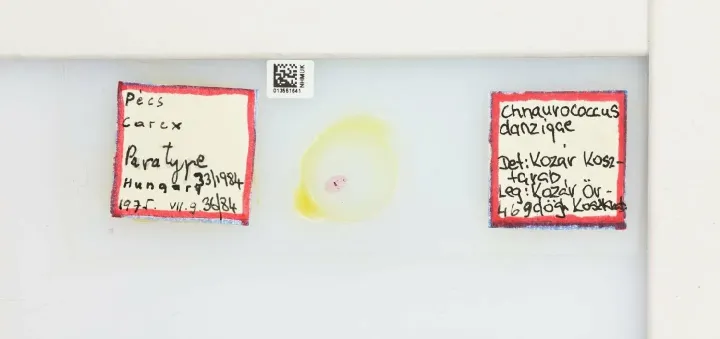
Description
How to identify
Chnaurococcus is a genus of insects belonging to the family Pseudococcidae, commonly known as mealybugs. These small, sap-sucking pests are characterized by their sedentary lifestyle and the production of a white, waxy secretion that covers their bodies.
The female mealybugs are wingless and oval-shaped, often blending in with the textures of plant bark or leaf surfaces. Their protective wax layers make them highly resistant to standard contact treatments.
While females remain on the plant, males are winged and short-lived, emerging primarily to fertilize the females. The population density can increase rapidly under favorable environmental conditions.
Identifying these pests is often challenging due to their cryptic habits. They tend to congregate in narrow crevices of the bark, leaf axils, and other hidden spots where they are sheltered from predators.
The life cycle includes the egg stage, which is usually protected within a fluffy, cotton-like ovisac created by the female. Mobile nymphs, known as crawlers, are responsible for the initial infestation and spread of the population.
##damage##Chnaurococcus species primarily infest perennial woody plants, including various fruit trees and ornamental shrubs. By piercing the plant tissues, they extract phloem sap, which is vital for the plant's growth.
Continuous feeding leads to nutrient depletion, resulting in stunted shoots, yellowing of leaves, and weakened plant vitality. Severely infested trees may suffer from branch dieback or reduced yield quality.
The accumulation of honeydew secreted by these pests promotes the growth of sooty mold. This black fungal layer coats the leaves, significantly reducing the plant's ability to perform photosynthesis.
In addition to physical harm, the presence of these pests creates stress that makes the plants more susceptible to environmental factors like cold, drought, or secondary infections.
Commercial plantations can face significant economic losses due to decreased fruit size, lower sugar content, and the degradation of the overall aesthetic and market value of the produce.
##signs##One of the earliest signs of infestation is the appearance of white, cotton-like masses on the bark, stems, or leaves. These patches are often the most noticeable indicators of established colonies.
The presence of sticky, shiny surfaces on foliage indicates the presence of honeydew. This substance is a telltale sign of an active infestation by sap-sucking insects like mealybugs.
Ant activity on tree trunks is a major behavioral sign. Ants are often attracted to the honeydew produced by the mealybugs and will actively protect them from natural enemies.
Yellowing leaves, premature leaf drop, and distorted shoot tips are common symptoms of severe damage. When the sap flow is heavily interrupted, the plant enters a visible state of decline.
Closer inspection under bark scales or in plant junctions may reveal clusters of the insects. A sudden decrease in the growth rate of the plant during the spring season is often correlated with pest activity.
##control##Pest management starts with rigorous cultural practices. Pruning out infested branches and removing old, loose bark helps eliminate hiding spots and reduces the overwintering population.
Systemic insecticides are the most effective chemical intervention. By entering the plant's vascular system, these compounds ensure that the sap-feeding insects receive a lethal dose.
Early spring applications of horticultural oils can successfully suffocate overwintering nymphs and egg masses. This is a common and relatively environmentally safe practice in integrated pest management.
Biological control relies on beneficial insects like lady beetles, lacewings, and parasitic wasps. Maintaining a diverse garden ecosystem helps keep the mealybug population in check naturally.
- Monitor the undersides of leaves and tree crevices regularly throughout the growing season.
- Control ant populations to prevent them from protecting mealybugs.
- Use sticky bands on tree trunks to intercept mobile crawlers and monitor colonization.
Taxonomy
- Latin name
- Chnaurococcus
- Order
- Hemiptera (bugs, aphids, leafhoppers)
- Family
- Pseudococcidae
- EPPO code
- CHNRSP
Discussion
No discussions yet — be the first.