
Pteromalus puparum
Pteromalus puparum
Description
How to identify
Pteromalus puparum is a small insect belonging to the order Hymenoptera and the family Pteromalidae. Adult specimens typically measure between 2 and 4 mm in length and feature a dark, often metallic-colored body.
The female of this species is equipped with a functional ovipositor, which is used to inject eggs directly into the pupae of suitable host insects.
Identification in the field is challenging due to the insect's diminutive size, often requiring magnification or laboratory analysis to confirm the species accurately.
The larvae are endoparasitoids, living and developing inside the host pupa throughout their juvenile stages, which makes them invisible during the initial infestation period.
These insects serve as critical regulators of pest populations in various ecosystems, functioning as essential components of natural biological control.
What it damages
The primary hosts for this parasitoid are the pupae of various Lepidoptera, most notably the large white butterfly (Pieris brassicae).
The parasitic action results in the death of the host pupa, effectively preventing the development and emergence of the pest into an adult reproductive stage.
While often considered beneficial, their impact can be viewed as negative if they parasitize other beneficial insects or pollinators in the vicinity.
Crops most frequently associated with these interactions include brassicas such as cabbage, broccoli, kale, and other cruciferous vegetables.
Damaged pupae become non-viable, turn dark or grey, and show signs of tissue decay as the developing larvae consume the internal structures of the host.
When it appears
The activity period of the adult wasps correlates directly with the developmental stages of the host caterpillar and pupa populations within the field.
Peak activity is typically observed in mid-summer, coinciding with high infestations of cabbage white butterflies on host crops.
The ability to produce multiple generations throughout the growing season allows the species to efficiently track and respond to host density changes.
Overwintering usually occurs in the larval or pupal stage inside the remains of the host, providing a robust survival strategy in varied climates.
Adult emergence typically begins in late spring or early summer, once temperatures are sufficiently warm to support their metabolic activity.
Signs of infestation
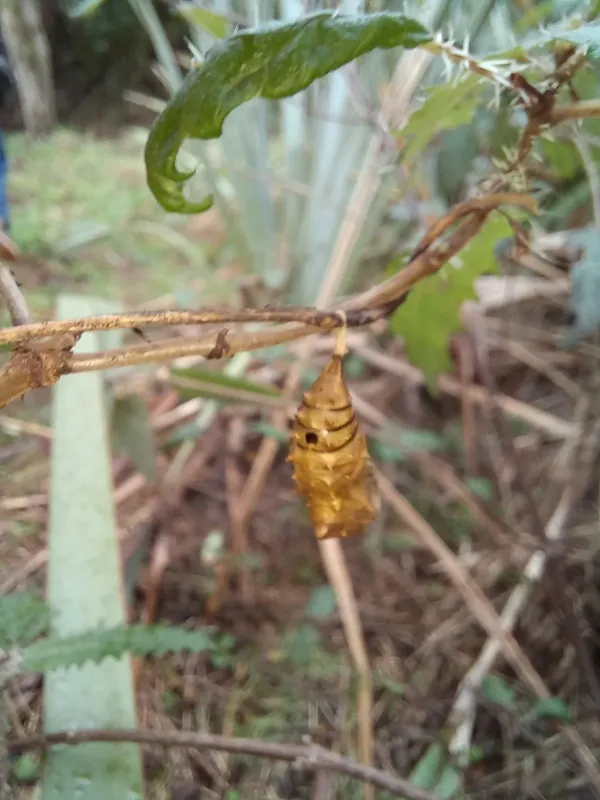
The most reliable sign of their presence is the observation of desiccated or dark-colored pupae left on the foliage or stems of host plants.
Tiny, precise exit holes in the outer shell of the pupa are clear indicators that the parasitoid has successfully completed its development and emerged.
Visual inspection often reveals that infected pupae are significantly lighter in weight and lack the firm texture associated with healthy, developing pests.
Field observers may spot the small, dark adult wasps actively hunting for suitable host pupae on the leaves of cabbage plants.
A sudden decline in the successful emergence of pests in an area can often be attributed to the high efficacy of natural parasitoid populations.
Control measures
Broad-spectrum chemical insecticides should be avoided to protect and conserve populations of these natural parasitoids within the agricultural environment.
Integrated Pest Management (IPM) strategies emphasize the use of selective biological agents that do not harm beneficial hymenopterans.
Planting flowering nectar strips along field edges encourages the presence of adult parasitoids, helping to maintain their population throughout the summer.
Proper field hygiene, including the removal and destruction of crop residues, helps limit the habitat available for overwintering parasitoids.
Monitoring the level of parasitism in the field is a standard procedure before deciding to implement any control measures against host pest populations.
Taxonomy
- Latin name
- Pteromalus puparum
- Order
- Hymenoptera
- Family
- Pteromalidae
- EPPO code
- PTERPU
Discussion
No discussions yet — be the first.