
Lariophagus
Lariophagus
Description
How to identify
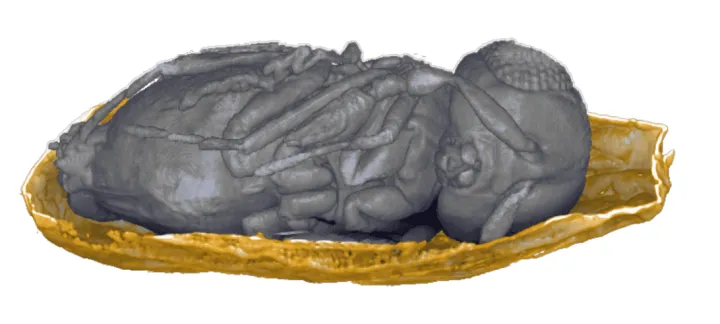
Lariophagus (Lariophagus distinguendus) belongs to the Hymenoptera order and Pteromalidae family. It is a tiny parasitic wasp, measuring only 2–4 mm, characterized by a dark, metallic-looking body.
Adult individuals possess developed wings, enabling them to actively navigate through storage facilities to locate suitable hosts for egg-laying.
The female insect is equipped with a specialized ovipositor, which allows her to penetrate the protective hulls of grain and the bodies of primary pests to deposit eggs directly inside the host.
Biologically, this species acts as an ectoparasitoid, developing at the expense of weevil larvae and other stored-product beetles living inside kernels.
Identification is challenging due to the insect's small size, so the presence of the pest in silos is often confirmed only through professional entomological analysis of grain samples.
What it damages
Lariophagus is considered an entomophagous agent, a natural enemy that preys on primary grain pests like the granary weevil or the grain borer.
While the presence of Lariophagus indicates biological control in action, it also serves as a warning sign that the grain mass is heavily infested with pathogenic insects.
The parasite targets various crops, including wheat, barley, maize, and legumes, where host beetle larvae are actively developing inside the seeds.
The indirect damage lies in the fact that the parasite population thrives only in the presence of a sufficient host density, reflecting poor storage management.
Although they do not consume grain directly, their mass appearance necessitates immediate phytosanitary inspection and disinfection of the stored inventory.
When it appears
The activity of this species is strictly dependent on the temperature inside warehouses and the reproductive cycle of its host, the grain weevil.
Optimal conditions for development occur at temperatures ranging from +20 to +28 degrees Celsius with sufficient moisture content in the grain mass.
The life cycle from egg to adult can be quite rapid, allowing the species to produce several generations annually under favorable storage environments.
In unheated facilities during winter, biological processes slow down significantly, though the parasite can survive the dormant period inside grains in a diapause state.
Peak population levels are typically observed in late spring and summer, when rising temperatures trigger the reactivation of hidden grain pests.
Signs of infestation
The primary sign of infestation is the appearance of exit holes in grain kernels, created by adult Lariophagus as they emerge from the host's body.
Visually, the insect can be detected by sieving grain through fine-mesh screens or by using pheromone traps placed throughout the storage facility.
The presence of high numbers of shed exoskeletons (exuviae) within grain samples indicates a high intensity of biological activity within the grain pile.
Indirect evidence includes specific damage patterns on grain weevil larvae, which can be observed through microscopic dissection of infested kernels.
Diagnostic procedures also involve collecting grain samples and placing them in incubators to observe the emergence of adult parasitoid wasps.
Control measures
Effective management relies on strict adherence to sanitation standards in grain stores and preventing the entry of primary pests into the premises.
The primary control measure is the fumigation of grain bulk using approved phosphine-based products, which eliminate both host pests and the parasites.
It is critical to conduct regular cleaning of warehouses to remove grain residues, dust, and debris that harbor insects during off-seasons.
- Reducing grain moisture content to below 14%.
- Applying active aeration systems to cool down the grain mass.
- Implementing regular monitoring programs using laboratory testing.
- Ensuring proper warehouse sealing to prevent pest migration.
If high population densities are detected, wet disinsection of empty storage facilities using contact insecticides is required to break the infestation cycle.
Taxonomy
- Latin name
- Lariophagus
- Order
- Hymenoptera
- Family
- Pteromalidae
- EPPO code
- LARPSP
Discussion
No discussions yet — be the first.