
Halticoptera petiolata
Halticoptera petiolata
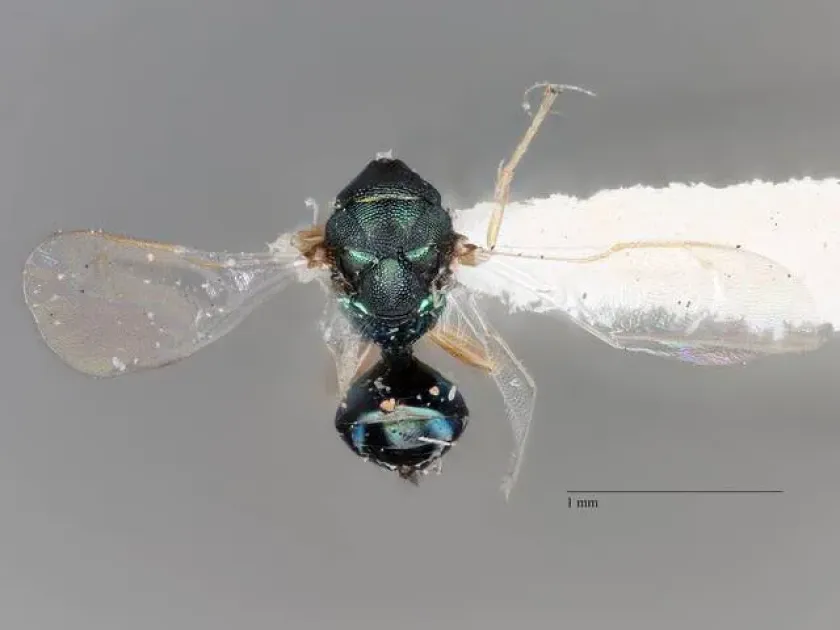
Description
How to identify
Halticoptera petiolata is a member of the Pteromalidae family, known for its small size and complex life history that often involves plant tissue exploitation.
Adult insects are typically metallic in appearance and possess delicate wing venation, which is a key diagnostic feature for professionals identifying chalcid wasps.
The larval stage is characterized by a sedentary lifestyle, feeding exclusively within the host plant tissue, which allows them to thrive away from many surface predators.
Developmental stages are heavily influenced by ambient temperature and humidity, which determine the speed of the pest's life cycle across a single season.
Distinguishing this specific species from beneficial parasitic wasps requires careful observation, as Halticoptera petiolata can cause significant primary damage to crops.
What it damages
The primary hosts of this pest include various plants from the Apiaceae family, such as parsley, dill, celery, and carrots, impacting both quality and yield.
Larvae cause direct damage by mining into the leaf mesophyll, which creates tunnels that interrupt photosynthesis and weaken the host's overall growth potential.
Severe infestations lead to premature leaf wilting, necrosis, and a substantial reduction in the aesthetic quality of leafy vegetables, making them unsellable.
The tunnels created by the larvae provide entry points for secondary pathogens, such as fungi and bacteria, which can accelerate the decay of the plant.
Economically, Halticoptera petiolata can cause major losses in commercial vegetable farming if the population reaches high densities before intervention is applied.
Signs of infestation
The most prominent sign is the development of serpentine, pale-colored mines within the leaf blades, often visible when holding leaves against the light.
Over time, these mines become brown and necrotic, causing the leaves to curl, dry out, and eventually break off under moderate stress.
The presence of fine, dark excrement inside the leaf tunnels confirms that the damage was caused by insect larvae rather than by drought or disease.
Adult emergence holes are small, circular gaps on the leaf surface that indicate the completion of the pest's developmental cycle in that specific area.
Wilting of the apical growth or distorted foliage are strong indicators that the larval mining has reached a critical stage of damage on the plant.
Control measures
Integrated Pest Management (IPM) strategies are essential, beginning with crop rotation and the removal of host plants or crop residues post-harvest.
Strategic timing of planting can help avoid peak emergence periods of the adults, providing young seedlings with a safer window for establishment.
Chemical intervention should be reserved for threshold-exceeding infestations, prioritizing products that minimize harm to beneficial insect populations in the area.
Biological control methods, including the use of entomopathogenic fungi or predators, have shown potential in controlling the spread of this miner in garden settings.
- Use of floating row covers to exclude adults from egg-laying sites.
- Strict sanitation of surrounding wild host plants.
- Frequent scouting of fields during the early vegetative stage.
Taxonomy
- Latin name
- Halticoptera petiolata
- Order
- Hymenoptera
- Family
- Pteromalidae
- EPPO code
- HALPPE
Discussion
No discussions yet — be the first.