
Habrocytus lixi
Habrocytus lixi
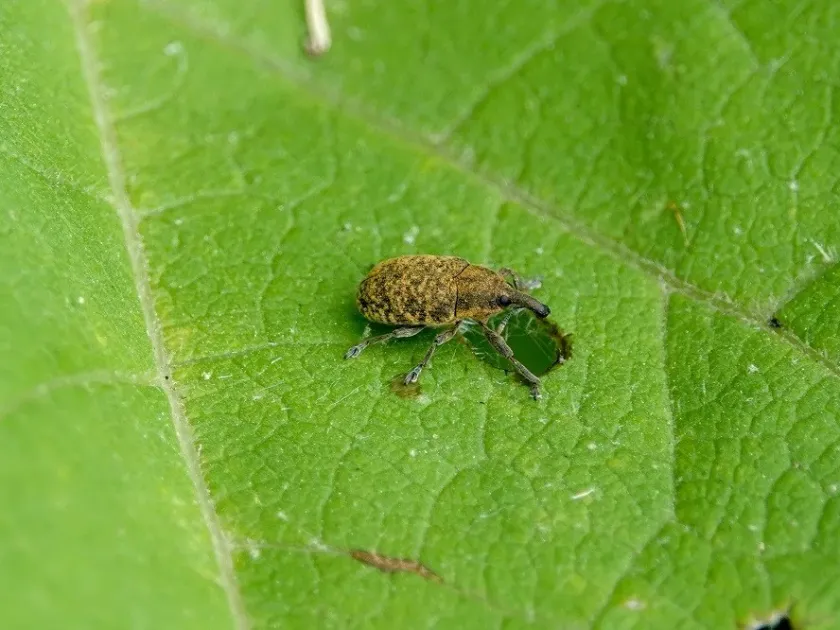
Description
How to identify
Habrocytus lixi belongs to the order Hymenoptera and the family Pteromalidae, functioning primarily as a parasitoid insect.
The adult form is a small wasp with a distinct metallic sheen, specialized in detecting larvae hidden within the stem tissues of host plants.
Taxonomically, it is recognized for its vital role in regulating the populations of stem-boring weevils in various agricultural ecosystems.
Morphological identification requires expertise, as these insects share many characteristics with other species within the Pteromalidae family.
Its biological presence serves as an indicator of a complex interaction between the host, the crop, and the natural control agents present in the soil.
What it damages
The primary crop associated with Habrocytus lixi is sunflower, where it acts as a biocontrol agent against Lixus species.
Although it does not damage the plant directly, its presence is a direct consequence of the infestation caused by stem weevils.
Host larvae, such as those of Lixus subtilis, cause significant damage to sunflowers by tunneling through the pith, which weakens the plant stem.
The economic impact of the weevil includes physiological stress to the plant, reduced nutrient transport, and potential yield loss during the seed maturation phase.
By parasitizing the larvae, Habrocytus lixi plays an essential role in mitigating the severity of the damage caused by these internal feeders.
When it appears
The seasonal activity of Habrocytus lixi is synchronized with the development stages of its host weevils and the growth of sunflower crops.
Active searching and egg-laying occur during the vegetative growth phase of the crop, coinciding with the peak period of weevil activity.
The lifecycle includes several generations per year, which ensures a consistent presence and regulation capacity throughout the summer months.
As temperatures begin to drop in late autumn, the insects enter a state of dormancy, often residing within the stems or soil debris.
Climate factors such as temperature fluctuations and humidity levels heavily influence the survival rate of each successive generation.
Signs of infestation
Evidence of Habrocytus lixi is usually found through the inspection of sunflower stems for exit holes created by the emerging adult wasps.
Dissection of the plant stems often reveals the remains of host larvae, confirming the successful completion of the parasitoid's life cycle.
Visible stress symptoms in sunflower plants, such as drooping or stunted development, can indicate a high density of internal stem pests.
Field diagnosis involves systematic sampling of stalks to calculate the percentage of parasitized larvae, providing a snapshot of biocontrol efficiency.
Careful observation of the pith condition is necessary to distinguish between the damage caused by the weevil and the presence of the parasitoid.
Control measures
Management of Habrocytus lixi is focused on preserving its population rather than eradication, as it provides a valuable ecosystem service.
Integrated Pest Management (IPM) strategies emphasize reducing the use of broad-spectrum insecticides that could harm these natural enemies.
Biological control practices involve maintaining healthy habitats for parasitoids to ensure they continue to suppress harmful stem borer populations.
- Utilizing crop rotation to break the pest's breeding cycle.
- Practicing thorough residue management after harvesting.
- Avoiding unnecessary insecticide sprays during peak parasitoid activity.
- Monitoring pest density to make data-driven management decisions.
Effective agricultural techniques balance the need to reduce pest populations with the preservation of natural predators and parasitoids.
Taxonomy
- Latin name
- Habrocytus lixi
- Order
- Hymenoptera
- Family
- Pteromalidae
- EPPO code
- HABCLI
Discussion
No discussions yet — be the first.