
Eupteromalus arvensis
Eupteromalus arvensis
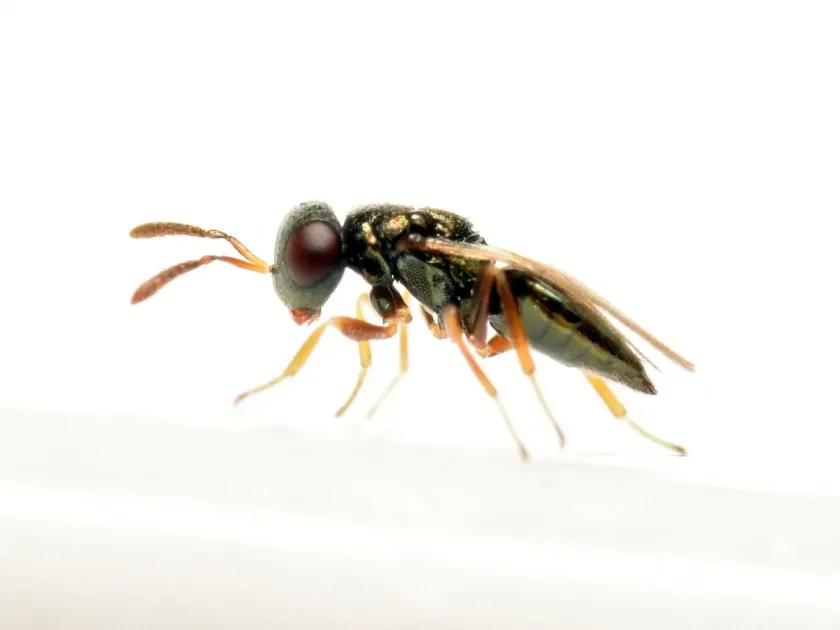
Description
How to identify
Eupteromalus arvensis is a species of parasitic wasp belonging to the family Pteromalidae within the order Hymenoptera. While often classified as a parasitoid, its ecological role can sometimes lead to negative impacts on agricultural crops.
The adult insect is characterized by a small body size and a metallic appearance, typical of the Pteromalid family. Identification usually requires expert entomological examination due to the species' small size.
Taxonomically, this species is part of a complex group where visual differentiation from beneficial parasitoids can be difficult without laboratory analysis of wing venation and body structure.
The larvae are typically hidden within their host or plant substrate, making them difficult to detect during standard field scouting without specific sampling techniques.
This species is widely distributed in regions where wheat and other small grains are grown, adapting its lifecycle to the specific phenology of local cereal crops.
What it damages
Infestation typically involves damage to the ears and stems of cereal crops like wheat and barley. The impact ranges from direct tissue damage to interference with grain filling processes.
Severe infestations lead to stunted plant growth and a significant reduction in grain weight, which negatively affects the quality and volume of the harvest.
By attacking the plant tissues directly or indirectly affecting them, the pest causes deformed ears and potential losses during harvesting operations due to uneven maturation.
Furthermore, as a species that may act as a hyperparasitoid, it can suppress populations of beneficial insects that would otherwise regulate other harmful pests in the ecosystem.
Economic damage is most noticeable in high-density populations where the cumulative effect on the cereal crop becomes economically significant for the grower.
When it appears
The seasonal activity cycle begins in early spring as temperatures rise, allowing adults to emerge from winter dormancy and initiate the reproductive stage.
The pest's peak activity is synchronized with the booting and heading stages of cereals, which are the most vulnerable growth phases for the crops.
Overwintering occurs in the larval or pupal stage, typically within crop residues, stubble, or the top layer of soil, allowing the species to survive harsh winter conditions.
Multiple generations may occur throughout the growing season, resulting in prolonged pressure on cereal fields until the crop reaches full maturity.
After the harvest, populations migrate to alternative hosts, such as wild grasses or volunteer cereal plants, to continue their lifecycle until the next season.
Signs of infestation
Indications of presence often include localized areas of the field showing premature yellowing or discoloration of stems and ears that do not correlate with nutrient deficiencies.
- Visible deformation of the cereal ear.
- Presence of thin or shriveled grains within the harvested samples.
- Small, pin-prick holes on the surface of stems or glumes.
- Clusters of small wasps observed on cereal plants during the early morning hours.
These signs can be subtle, requiring growers to use sweep nets or sticky traps to confirm the pest's presence before making management decisions.
Control measures
Crop rotation is the most effective preventative measure to disrupt the life cycle of the pest and prevent population buildup in cereal-heavy areas.
Proper field sanitation, including the incorporation of crop residues and deep plowing after harvest, is essential to destroy the overwintering sites of the pest.
Chemical control should be applied based on the economic injury level, ensuring the timing coincides with the most susceptible developmental stages of the insect.
Selecting cereal varieties that possess natural resistance or tolerance to pest damage can minimize harvest losses even if the pest is present in the field.
Monitoring programs using pheromone or yellow sticky traps are highly recommended to track population levels and determine the optimal timing for intervention.
Taxonomy
- Latin name
- Eupteromalus arvensis
- Order
- Hymenoptera
- Family
- Pteromalidae
- EPPO code
- EUPMAR
Discussion
No discussions yet — be the first.