
Cyrtoptyx
Cyrtoptyx
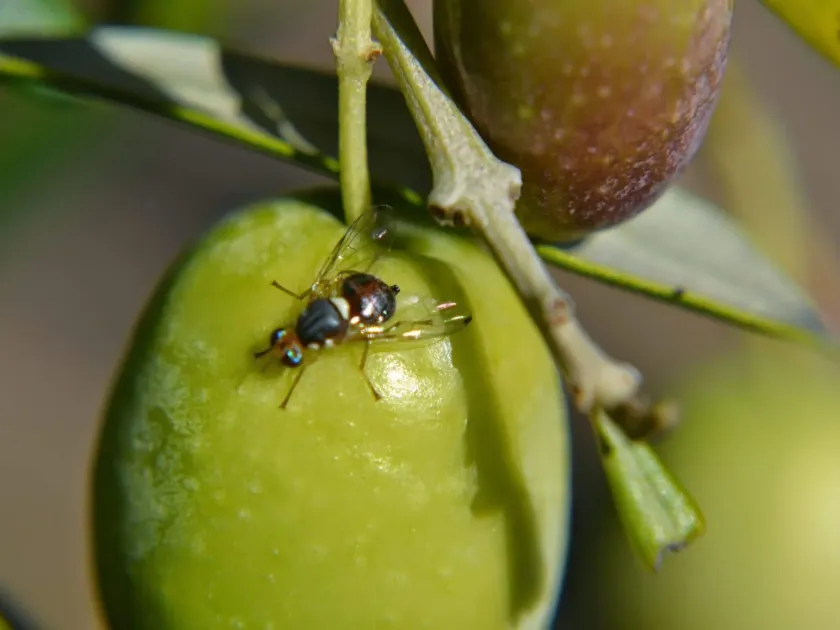
Description
How to identify
Cyrtoptyx is a genus of insects within the order Hymenoptera, belonging to the family Pteromalidae. These are small parasitic wasps that play a significant role in the biological regulation of insect populations in various ecosystems.
Adult individuals are characterized by a compact body, often displaying a metallic sheen typical of the Pteromalidae family. Precise identification of specific species within this genus usually requires expert entomological examination using microscopy.
The life cycle of Cyrtoptyx is intimately linked to their hosts, which are often larvae of pests inhabiting plant stems or seeds. Their biology is essential for understanding natural pest suppression mechanisms in agricultural fields.
Females possess a specialized ovipositor, enabling them to pierce plant tissues and deposit eggs directly into the host or the immediate vicinity, ensuring the survival of the offspring.
Understanding the role of this genus is crucial for agronomists, as their presence can indicate a complex balance between primary pests and natural enemies within the agroecosystem.
What it damages
The primary concern regarding Cyrtoptyx relates to its parasitic lifestyle. While they do not consume plant tissues directly, they impact the population dynamics of agricultural pests that affect cereals and legumes.
In agricultural fields, they are frequently associated with crops like wheat and barley, where they parasitize larvae hiding within plant tissues. Their impact is mainly indirect through the suppression of host species.
A significant factor is their potential role as hyperparasites. In some environments, they may target beneficial parasitoids, potentially reducing the overall efficiency of biological control efforts.
Direct damage to the crop is negligible; however, their influence on the ecological balance necessitates careful monitoring to ensure that their presence does not negatively affect integrated pest management strategies.
Assessing the specific damage or benefit requires detailed field monitoring to identify whether Cyrtoptyx is primarily targeting the target pest or beneficial natural enemies.
When it appears
The activity of Cyrtoptyx usually coincides with the developmental stages of their hosts, typically occurring from late spring through mid-summer. This is when the insects are most visible in the field.
The life cycle encompasses egg, larval, pupal, and adult stages. Larval development occurs inside the host's body, providing them with essential nutrients and protection against external environmental factors.
Overwintering typically takes place in the pupal or prepupal stage within plant debris, stems, or seeds left in the field after harvest. This strategy ensures survival through dormant periods.
The number of generations per year is largely dictated by climate and weather conditions. Warmer regions may support multiple generations within a single growing season.
Synchronization with host phenology is key to their population stability, ensuring they are present when host larvae are at the most vulnerable stage for parasitization.
Signs of infestation
One of the primary indicators of Cyrtoptyx presence is the occurrence of minute exit holes in stems or grains, created by adult wasps emerging after completing their development.
Detecting these insects in the field is challenging due to their small size and cryptic habits. Laboratory analysis of collected plant samples is often required to confirm their activity.
Field monitoring using yellow sticky traps or sweep netting can help detect the presence of adults, although specific species identification remains a task for trained entomologists.
A decline in major pest populations, coupled with finding parasitized larvae, serves as an indicator of the successful activity of natural enemies like Cyrtoptyx.
The presence of exit holes on stems infested by primary pests is a strong visual clue that a parasitic process, likely involving Pteromalidae, is currently taking place.
Control measures
Plant protection strategies must be carefully balanced to preserve beneficial entomofauna, as Cyrtoptyx often serves as a natural regulator of harmful pest species.
- Minimize the use of broad-spectrum insecticides that harm beneficial wasps.
- Implement crop rotation to disrupt the lifecycle of primary pests.
- Utilize biological control agents that target specific pests without harming parasites.
- Perform deep tillage to manage crop residues and eliminate overwintering sites.
- Conduct regular monitoring to assess the ratio of pests to natural enemies.
If Cyrtoptyx is identified as a hyperparasite hindering other beneficial agents, choose selective treatment options that minimize the impact on non-target species.
Integrated agricultural practices, such as weed management and proper stubble treatment, foster a more balanced ecosystem that naturally keeps pest pressure under control.
Taxonomy
- Latin name
- Cyrtoptyx
- Order
- Hymenoptera
- Family
- Pteromalidae
- EPPO code
- CYRXSP
Discussion
No discussions yet — be the first.