
Pachycondyla
Pachycondyla
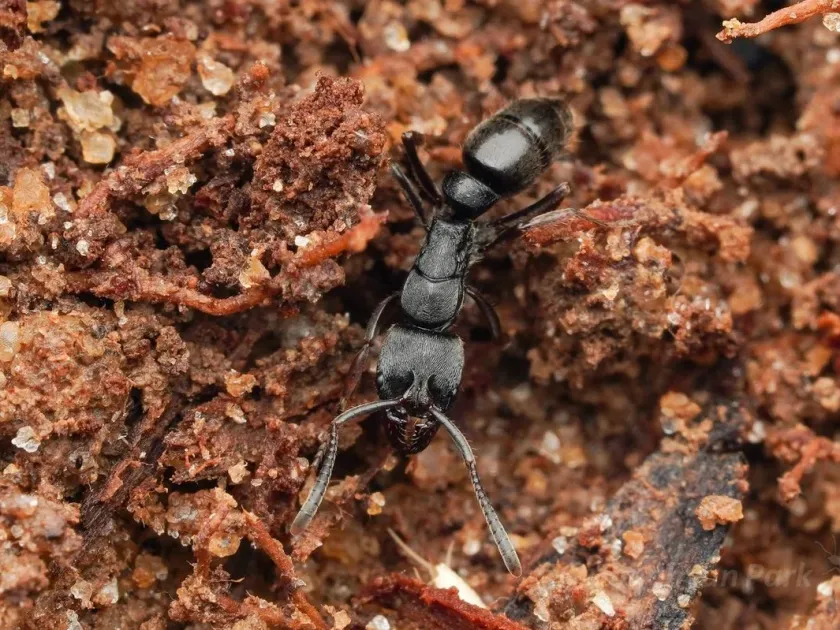
Description
How to identify
Pachycondyla is a genus of ants belonging to the family Formicidae and the order Hymenoptera. These are large predatory ants found primarily in tropical and subtropical regions worldwide.
These insects are characterized by a robust body structure, a well-developed stinger, and a specific thoracic morphology. They exhibit significant polymorphism, with workers actively foraging on the ground or within leaf litter.
It is important to distinguish them by the structure of their petiole and mandibles. Unlike common garden ants, Pachycondyla possess a painful sting, which poses a health risk to farm workers.
Their life cycle involves complete metamorphosis: egg, larva, pupa, and adult. Queens of this genus often establish colonies independently, which complicates eradication efforts during the initial stages.
These ants are highly sensitive to humidity and temperature, making their activity closely linked to the specific microclimatic conditions of tropical ecosystems.
What it damages
Although Pachycondyla ants are primarily predatory, their pest status arises from indirect negative impacts on agricultural crops.
They actively protect colonies of aphids and mealybugs, which suck plant sap. This symbiosis facilitates the spread of viral and fungal diseases across the plantation.
The establishment of nests within the root zone can disturb soil structure and cause mechanical damage to the delicate roots of young seedlings.
In certain ecosystems, their predatory behavior leads to the elimination of beneficial entomophagous insects that act as natural biological regulators of other pests.
On coffee, cacao, and oil palm plantations, their presence is associated with increased physiological stress on host plants due to the unchecked proliferation of sap-sucking insects.
When it appears
Pachycondyla activity occurs throughout the growing season, as they inhabit regions lacking a harsh winter climate.
Population peaks are typically observed during the wet season, when foraging resources increase and nesting sites become more accessible due to soil moisture.
During dry periods, ant activity decreases as they retreat into deeper soil layers or move beneath dense cover to maintain necessary moisture levels.
Worker migration to host plants is most frequent during the cooler morning and evening hours when ambient temperatures are optimal for foraging.
The rate of brood development is directly dependent on daily mean temperatures, leading to exponential population growth during the warmest months.
Signs of infestation
The primary sign of infestation is the direct discovery of ants with visible stingers during routine agricultural maintenance and harvesting.
Persistent ant trails along tree trunks and plant stems are a strong indicator of the protection of aphid or mealybug populations.
The presence of distinct mound-like nests or soil depressions at the base of plants serves as definitive evidence of colony establishment.
Wilting of young shoots and chlorosis often suggest that plants are under attack by sap-sucking pests facilitated by the ants.
- Presence of honeydew on leaf surfaces.
- Root disturbance noted during soil cultivation.
- Clusters of aphids located in ant-frequented areas.
- Aggressive response when approaching the nest site.
Control measures
Management of Pachycondyla requires an integrated approach that combines chemical interventions with cultural practices.
The use of slow-acting insecticide baits is the most effective method for destroying the entire colony, including the queen, by transfer through the foraging workers.
Mechanical nest destruction can be effective in the early stages of infestation, though it requires protective equipment to prevent stings.
Maintaining clean plantation floors by removing excess plant debris and mulch reduces the availability of suitable nesting habitats.
Biological control agents, such as entomopathogenic fungi, show promise in reducing population density in high-humidity agricultural settings.
Taxonomy
- Latin name
- Pachycondyla
- Order
- Hymenoptera
- Family
- Formicidae
- EPPO code
- PCHDSP
Discussion
No discussions yet — be the first.