
Myrmica sabuleti
Myrmica sabuleti
Description
How to identify
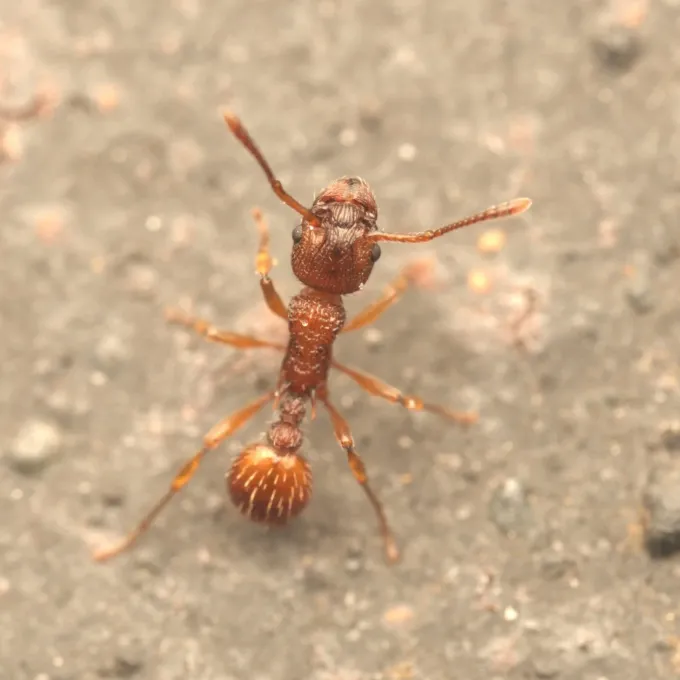
Myrmica sabuleti is a species of ant belonging to the family Formicidae and the order Hymenoptera. Worker ants typically range in length from 4 to 5 mm and have a reddish-brown coloration.
The species is identified by distinct, backward-pointing spines located on the propodeum. Their antennae possess a characteristic bend at the base, which is a diagnostic feature for the genus.
These ants prefer nesting in sunny, open areas with well-drained soil, often under stones, logs, or directly within the soil structure of garden beds.
They are known for being quite aggressive when their nests are disturbed. Like other species in this genus, they possess a stinger that can cause painful irritation to human skin.
A mature colony can contain thousands of individuals, maintaining a complex system of tunnels and chambers that are resilient to environmental changes.
What it damages
Myrmica sabuleti does not feed directly on plant tissues, but it is considered an agricultural pest due to its mutualistic relationship with aphids and scale insects.
The ants protect aphid colonies from natural predators such as ladybugs and lacewings. This protection allows aphid populations to surge, leading to severe damage to various plants.
Aphids extract sap from young leaves and shoots, causing wilting, stunting, and deformation. This loss of vitality significantly reduces the plant's overall health and productivity.
The sticky honeydew secreted by aphids serves as a substrate for the growth of sooty mold, which blocks light and impairs the plant's photosynthetic capability.
Furthermore, the physical construction of ant nests near the root systems of young seedlings can lead to soil drying and disruption of nutrient uptake, often causing plant death.
When it appears
Colony activity typically begins in early spring, as soil temperatures rise above 10°C, signaling the end of the ants' overwintering period.
Peak foraging and colony-tending activity occur throughout the summer months, from May through August, when garden plants are in their most active growth phase.
Late summer is characterized by the nuptial flight of reproductive individuals, who emerge to establish new colonies in favorable environments.
As autumn temperatures drop, the ants retreat deeper into their subterranean chambers to survive the winter, significantly reducing their surface activity.
Understanding this cycle is essential for timing control measures, as interventions are most effective when the colonies are active near the soil surface.
Signs of infestation
Visible trails along garden borders, paving, and tree trunks are primary indicators of a nearby ant colony's foraging activity.
A sudden infestation of aphids on plant tips, accompanied by ant movement, strongly suggests that the ants are actively farming and protecting the sap-sucking pests.
Curled, sticky leaves covered in a blackish fungal coating indicate that aphids have been present for an extended period under the protection of the ants.
Small mounds of soil or disturbed dirt at the base of plants or in lawns are clear signs of a nested colony affecting the local ecosystem.
Increased ant presence on flower buds is another signal, as they are likely collecting the nectar and defending the site against other insect visitors.
Control measures
Effective control involves using toxic bait stations containing slow-acting insecticides that workers carry back to the colony to eliminate the queen and the brood.
Implementing physical barriers, such as sticky bands around tree trunks, prevents ants from accessing the canopy and protecting aphid populations.
Regular application of systemic or contact insecticides to control aphids will indirectly discourage ants by eliminating their primary food source.
Cultural practices, including regular soil cultivation, weeding, and removing heavily infested plant debris, help destroy nests and disrupt their foraging routes.
- Utilizing biological control agents like entomopathogenic fungi to reduce colony size.
- Planting repellent species such as lavender or peppermint to create unfavorable conditions.
- Localized irrigation or organic soap-based treatments to discourage nest colonization in specific beds.
Taxonomy
- Latin name
- Myrmica sabuleti
- Order
- Hymenoptera
- Family
- Formicidae
- EPPO code
- MYRCSA
Discussion
No discussions yet — be the first.