
Myrmica brevispinosa
Myrmica brevispinosa
Description
How to identify
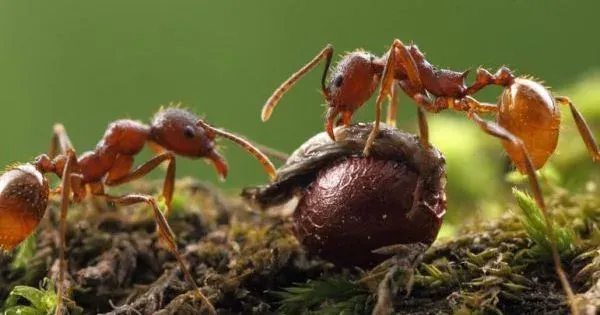
Myrmica brevispinosa belongs to the order Hymenoptera and the family Formicidae. These are small ants, typically ranging from 4 to 6 millimeters in length, with a distinct reddish-brown body color.
The key identification feature of this species is the presence of relatively short spines on the propodeum, which distinguishes them from other species in the Myrmica genus. The body is covered in sparse hairs, and the abdomen appears smooth and shiny.
These ants typically nest in soil, under rocks, in decaying wood, or amidst plant debris. Their colonies are generally not very large, but they exhibit high activity levels when foraging near human-cultivated areas.
The life cycle undergoes complete metamorphosis, including egg, larva, pupa, and adult stages. New winged individuals are typically produced towards the end of summer, marking the swarming period for the colony.
While playing a role in the soil ecosystem, Myrmica brevispinosa can become an agricultural nuisance when they establish colonies in gardens and near the root zones of cultivated plants.
What it damages
The primary damage caused by Myrmica brevispinosa is indirect, stemming from their mutualistic relationship with aphids. These ants protect aphids from natural predators to collect the honeydew they secrete, which prevents biological control of the aphid population.
Fruit crops, such as apples, pears, and various berries like currants and gooseberries, are particularly susceptible to this activity. The presence of ants ensures that aphid populations remain high, leading to reduced plant vigor and stunted shoot growth.
Furthermore, these ants can physically damage the roots of young seedlings or nursery plants. By excavating tunnels in the root zone, they create air gaps that lead to root desiccation and subsequent plant wilting.
In some cases, the ants directly feed on flower buds and soft berries, consuming tissues rich in sugars. This activity ruins the quality of the fruit and provides entry points for fungal pathogens, such as fruit rot.
As they forage, the ants also act as vectors for various plant pathogens, carrying spores and bacteria on their bodies as they move across leaves and stems, further increasing the risk of disease outbreaks.
Signs of infestation
The first sign of an infestation is observing increased ant traffic along tree trunks, stems, and branches. The simultaneous presence of aphids is a strong indicator of Myrmica brevispinosa activity.
Finding small soil mounds or ground subsidence around the base of plants indicates the presence of a nest. Root zone excavation often leads to the sudden wilting of young plants despite adequate watering.
Leaves covered in a sticky, sweet substance (honeydew), which subsequently develops into a black sooty mold, confirm that ants are tending to aphids on the plant.
Visible damage to berry fruits or gnawed flower buds is another symptom of foraging ants seeking sugar sources within the plant tissue itself.
If you suspect an infestation, carefully clearing the top layer of soil at the base of affected plants often reveals ant tunnels, workers, or brood chambers, confirming the colony's location.
Control measures
Physical barriers, such as adhesive tree bands, are highly effective in preventing ants from reaching the canopy of fruit trees. By blocking their path, you allow natural predators to control the aphid populations more effectively.
The use of insecticide-based bait stations is considered one of the most successful methods. The ants collect the poisoned bait and carry it into the nest, ultimately eliminating the entire colony including the queen.
Regular cultivation and loosening of the soil in orchards and vegetable plots disrupt the ants' underground galleries. This mechanical disturbance forces the colony to relocate away from the protected crops.
Repellent strategies, including the planting of aromatic herbs like mint or garlic, or applying botanical sprays, can deter ants from establishing permanent nests near highly sensitive plant varieties.
In cases of severe infestation, targeted soil applications of approved granular insecticides or systemic treatments may be necessary to ensure long-term protection of the garden environment.
Taxonomy
- Latin name
- Myrmica brevispinosa
- Order
- Hymenoptera
- Family
- Formicidae
- EPPO code
- MYRCBD
Discussion
No discussions yet — be the first.