
Myrmica ants
Myrmica
Description
How to identify
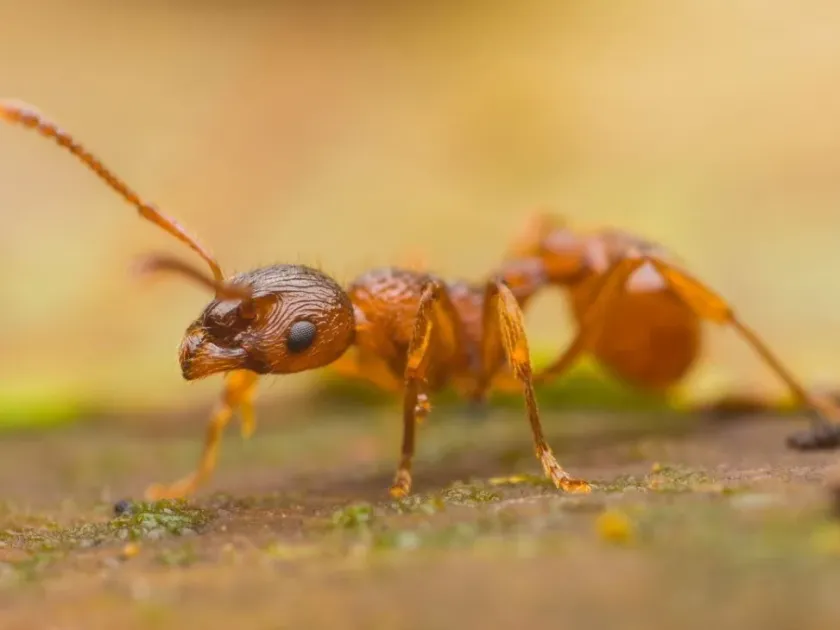
Myrmica is a genus of ants belonging to the subfamily Myrmicinae, widely distributed across temperate regions. These ants are characterized by a reddish-brown color and a well-developed stinger, which they use for defense when threatened.
A key diagnostic feature of Myrmica ants is the presence of two nodes on the petiole, the segment between the thorax and the abdomen. Unlike common garden black ants, Myrmica species prefer nesting in soil under stones, rotting logs, or amidst plant debris.
They are generally aggressive and can inflict painful stings. While their colonies are typically smaller than those of other ant species, their tendency to nest in various locations throughout a garden makes them a persistent nuisance for gardeners.
Taxonomically, they are part of the order Hymenoptera and the family Formicidae. Their foraging strategy focuses on protecting high-sugar food sources, which leads to their destructive relationship with sap-sucking garden pests.
These ants exhibit a complex social structure with distinct castes. Their ability to adapt to varying soil conditions and environments allows them to thrive in domestic garden settings, often requiring proactive management.
What it damages
The primary damage caused by Myrmica ants is their mutualistic relationship with aphids and other sap-sucking insects. They actively farm aphids on young plant shoots, protecting them from predators to harvest the sugary honeydew they excrete.
As a result of this ant-tended aphid infestation, plants suffer from stunted growth, curled leaves, and decreased vitality. This stress makes the plants more susceptible to secondary viral and fungal infections.
Myrmica ants can also damage plant root systems by excavating tunnels near the root zone. This disrupts the plant's ability to absorb water and essential nutrients, leading to wilting and reduced yield in vegetables and fruit crops.
Almost all garden plants are susceptible, ranging from ornamental flowers like peonies to fruit trees and greenhouse vegetables. In nurseries, they can destroy seedlings by undermining the soil around their delicate root structures.
Furthermore, these ants act as vectors for pathogens, spreading fungi and bacteria across the garden as they travel between infested plants to tend to their aphid colonies.
When it appears
The activity of Myrmica ants begins in early spring as soil temperatures rise above 8-10 degrees Celsius. During this time, the queen begins egg-laying, and worker ants start their foraging activities for the season.
Population peaks typically occur during June and July, coinciding with the rapid growth of plant foliage and the peak reproductive cycle of aphids. This is when the ants are most actively farming their sap-sucking partners.
As autumn approaches, activity may decrease, but the ants continue to gather resources to ensure the colony survives the winter. Their preparation for colder weather makes them visible until the first frost.
Their life cycle consists of complete metamorphosis: egg, larva, pupa, and adult. The speed of development is highly dependent on local environmental conditions and the availability of food sources within their range.
They overwinter deep in the soil, below the frost line, forming dense clusters within their nests. This behavior ensures that colonies remain resilient and can rebound quickly once spring warmth returns.
Signs of infestation
The most reliable sign of Myrmica presence is the observation of ants actively tending to aphid colonies on leaves and stems. If you see ants moving in lines or guarding groups of aphids, their nest is likely nearby.
Another clear sign is the presence of small soil mounds or cleared areas around the base of plants. If you notice the soil sinking around the stems of young trees or shrubs, it is often due to the underground tunneling activity of the ants.
Curled leaves coated in a sticky substance, known as honeydew, are common secondary signs. This sticky residue often leads to the growth of sooty mold, which creates a black film on the foliage, further inhibiting plant photosynthesis.
Ants swarming over flower buds that fail to open are another indicator. They may bite into the petals or developing flowers to access the nectar, causing permanent damage to the floral structures.
- Aphid infestations on young, tender plant shoots.
- Sticky honeydew deposits on foliage and stems.
- Wilting or yellowing of plants despite adequate irrigation.
- Visible ant trails leading to specific garden beds or trees.
Control measures
Effective control of Myrmica ants requires a two-pronged strategy: eliminating the ants and managing the aphid populations they protect. Physical barriers, such as sticky traps or bands on tree trunks, can prevent ants from reaching aphid colonies.
For long-term management, bait stations containing insecticide gels or slow-acting baits are highly effective. Worker ants carry the bait back to the nest, eliminating the queen and ensuring the collapse of the entire colony.
Cultural methods include regular soil cultivation and hoeing, which disrupts ant tunnels and discourages them from nesting in the area. Planting aromatic herbs like mint, garlic, or marigolds can act as a natural deterrent.
If populations are extreme, contact insecticides may be necessary. However, it is crucial to apply these precisely and safely to minimize impact on beneficial pollinators and avoid chemical residues on harvestable produce.
Prevention is the best approach: maintain a clean garden, promptly remove plant debris where ants might nest, and keep weeds under control to reduce the available sites for aphids to colonize.
Taxonomy
- Latin name
- Myrmica
- Order
- Hymenoptera
- Family
- Formicidae
- EPPO code
- MYRCSP
Discussion
No discussions yet — be the first.