
Leptothorax tuberum
Leptothorax tuberum
Description
How to identify
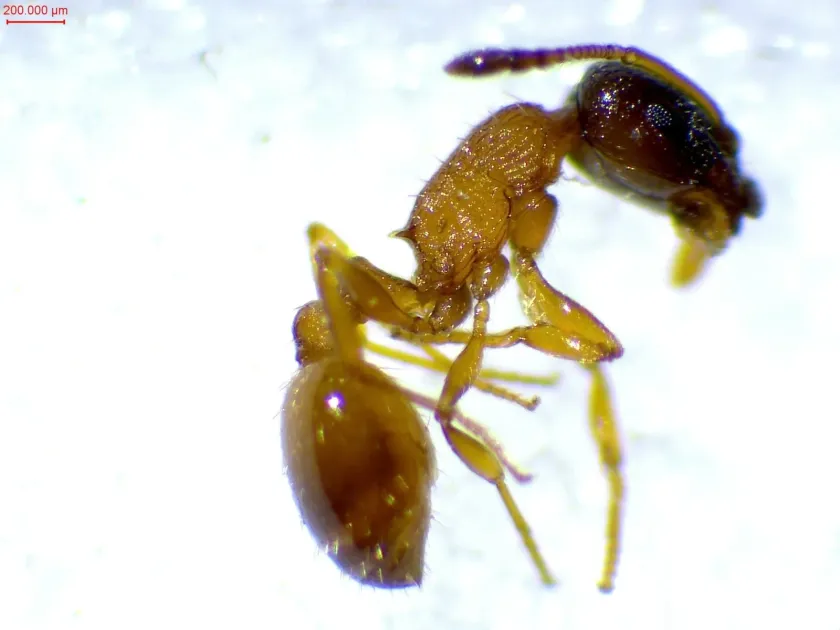
Leptothorax tuberum is a small species of ant within the Formicidae family, specifically the Myrmicinae subfamily. Measuring approximately 2–3 mm in length, these ants are often overlooked due to their diminutive size.
They typically exhibit a yellowish-brown to dark brown coloration, with the head and abdomen often appearing darker than the thorax. A key diagnostic feature is the presence of spines on the epinotum.
These ants are known for their preference for dry, secluded nesting sites. Unlike many other ants, they do not build large mounds but instead occupy pre-existing hollows in twigs, dry stems, or under bark.
The queen of the colony is similar in size to the workers, which often makes identification difficult for the casual observer. They are highly adaptable and can be found in various environments.
Colony numbers are generally low, but their hidden nesting habits allow them to establish populations in close proximity to valuable agricultural and horticultural crops without being immediately noticed.
What it damages
The primary agricultural concern associated with Leptothorax tuberum is their symbiotic relationship with aphids. They actively tend to and protect aphid colonies from predators such as ladybugs.
By protecting aphids, these ants contribute to a significant increase in aphid populations, which leads to the severe sap-sucking damage on host plants, causing leaves to curl and stunt growth.
They also facilitate the growth of sooty mold by feeding on the honeydew secreted by aphids. The resulting black, sticky coating covers leaves and inhibits the plant's ability to perform photosynthesis.
While direct physical damage to plant tissues is minimal, the indirect impact through the proliferation of secondary pests can lead to reduced plant vigor and lower yields in various crops.
In greenhouses and nurseries, the constant presence of these ants can create a persistent cycle of pest infestation, as the favorable indoor climate supports both the ants and their aphid partners.
When it appears
Activity for Leptothorax tuberum typically begins in early spring as temperatures rise. Workers emerge from their winter hibernacula to forage and explore new food sources in the vicinity.
The peak of their activity occurs during mid-summer, coinciding with the reproductive peak of their aphid partners. This is when they are most actively patrolling plants and defending their honeydew sources.
As autumn approaches and temperatures drop, activity gradually declines. The colony retreats into its protected nesting sites to survive the colder months, often deep within dry plant debris.
In climate-controlled environments like greenhouses, their activity can be sustained throughout the year, allowing them to remain a threat even during winter months.
The duration and intensity of their seasonal activity are heavily influenced by local microclimates and the availability of suitable nesting sites nearby.
Signs of infestation
The most visible sign of an infestation is the continuous movement of small, brownish ants along the stems of plants, especially those already showing signs of aphid presence.
Black, sticky sooty mold appearing on the foliage is a reliable indicator that an aphid-ant symbiotic relationship is established and has been active for some time.
Distorted leaves, yellowing shoots, and stunted apical growth often point to heavy aphid infestation supported by ant activity. The ants can frequently be seen actively 'milking' the aphids.
Finding nesting sites in dry hollow stems or branches near the affected plants confirms the origin of the colony. These areas should be inspected for the presence of workers and brood.
- Sticky honeydew residue on stems and leaves.
- Visible trails of ants on plant stalks.
- High density of aphids on young, succulent shoots.
Control measures
The most effective management strategy is to target the aphid population. Once the primary food source (honeydew) is eliminated, the ants will lose interest and disperse from the host plant.
Mechanical barriers, such as sticky bands applied to the trunks of trees, are highly effective in disrupting the ants' access to the foliage, allowing natural predators to reclaim the aphid colonies.
Sanitation plays a crucial role in control. Removing dead wood, dry hollow stalks, and plant debris around the garden significantly reduces the availability of nesting sites for this species.
For greenhouse infestations, the use of targeted ant baits is an option, as they allow for the elimination of the queen and the entire colony rather than just the visible workers.
Integrated Pest Management (IPM) practices should be followed, prioritizing the use of horticultural oils and soaps to manage aphids while preserving the natural balance of beneficial insects.
Taxonomy
- Latin name
- Leptothorax tuberum
- Order
- Hymenoptera
- Family
- Formicidae
- EPPO code
- LEPXTU
Discussion
No discussions yet — be the first.