
Yellow parasite ant
Lasius interjectus
Description
How to identify
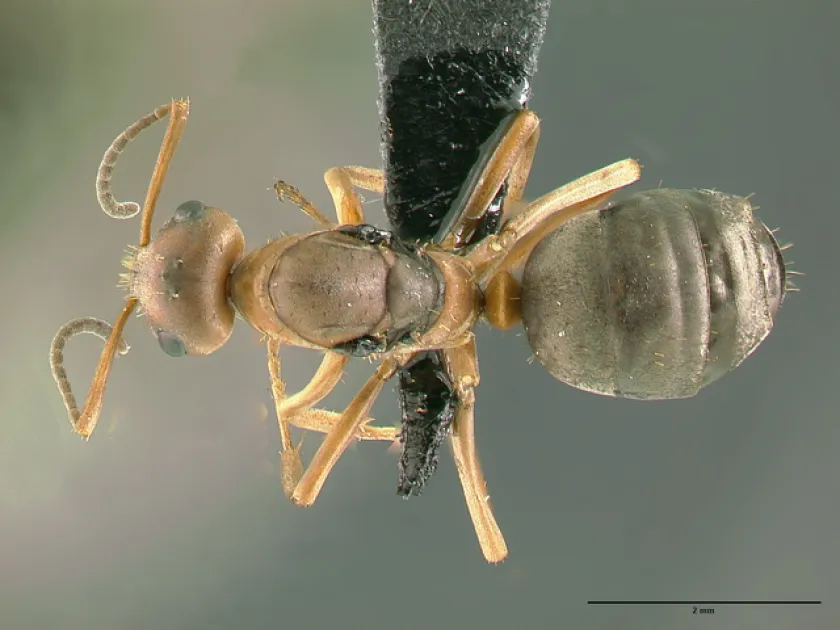
The Yellow parasite ant, scientifically known as Lasius interjectus, is a member of the Formicidae family. It is characterized by its distinct yellowish to amber color, which serves as a camouflage in subterranean environments.
Unlike common surface ants, this species lives almost exclusively underground. Their nests are typically located deep within the soil, under large stones, or near the foundations of rotting trees, making them difficult to spot.
These colonies are often polygynous, meaning they house multiple queens. This biological strategy allows the population to survive localized destruction and rebound quickly if disturbed.
The life cycle of the Yellow parasite ant involves complex social interactions, particularly its symbiotic relationship with aphids. They are known for tending and protecting root aphids to collect honeydew, a vital food source.
The workers are specialized in tunneling and managing their aphid "herds" deep within the root zone, ensuring the colonies are well-protected from environmental changes and predators.
What it damages
The primary damage caused by Lasius interjectus is the disruption of plant root systems. Their constant tunneling around roots causes the soil to dry out and prevents proper water and nutrient uptake.
By protecting and spreading root aphids, these ants cause severe physiological stress to plants. The aphids extract plant sap, which stunts growth and leads to yellowing of the foliage.
Garden crops, particularly strawberries, ornamental perennials, and young nursery trees, are highly susceptible. The presence of ants often leads to secondary infections such as root rot and fungal diseases.
The honeydew produced by the aphids fosters the growth of sooty mold, which inhibits photosynthesis on the lower stems and creates an environment where pests thrive unchecked.
In severe infestations, the extensive damage to the root structure results in the total collapse of the plant, as it can no longer support its own biological requirements.
When it appears
Activity begins in early spring as soil temperatures rise. Once the temperature stays above 10°C, the ants become active in their tunnels and expand their nesting areas.
Summer is the peak season for these pests. Rapid reproduction rates and the expansion of the aphid population lead to maximum damage during the warmest months of the year.
As autumn approaches and temperatures drop, the ants move deeper into the soil to escape the frost. However, they may remain active in greenhouses where conditions are artificially controlled.
Environmental moisture levels influence their behavior. While heavy rain may temporarily limit surface activity, the internal structure of their deep nests keeps the core population stable.
The life cycle continues efficiently as long as they have access to stable root sources for their aphids, allowing them to sustain a presence throughout the growing season.
Signs of infestation
One of the earliest signs is the appearance of small entry holes at the base of plants. Unlike typical ants, they do not create large, visible soil mounds on the surface.
Plants exhibiting unexplained wilting despite regular irrigation are a major red flag. If the soil around the plant base feels unusually loose or airy, it may be due to ant tunnels.
Finding small, yellowish ants during gardening tasks like weeding or transplanting confirms their presence. They are typically found in the top 10–20 cm of the root zone.
Yellowing leaves or stunted development that does not respond to fertilization is often a sign of root-feeding pests associated with these ants.
The presence of sooty mold on the base of stems or the root crown is an indicator that aphids are being farmed by ants in that specific location.
Control measures
Effective control requires targeting both the ants and the aphids they protect. Applying systemic insecticides to the soil is often the most reliable way to clear the root zone.
Slow-acting bait stations are highly recommended as they allow workers to carry the toxin back to the queen and other colony members, effectively eliminating the nest.
Cultural practices such as deep hoeing and soil cultivation disrupt the ants' underground galleries, forcing them to move away from the root systems of your valuable plants.
- Apply granular ant treatments to the soil around sensitive perennials.
- Install physical barriers or sticky traps on tree trunks to limit ant movement.
- Incorporate beneficial nematodes that target subterranean pests in the soil.
In greenhouse settings, ensure rigorous sanitation after every crop cycle. Replacing or treating the soil is essential to prevent the carry-over of a Lasius interjectus colony.
Taxonomy
- Latin name
- Lasius interjectus
- Order
- Hymenoptera
- Family
- Formicidae
- EPPO code
- LASIIN
Discussion
No discussions yet — be the first.