
Meat ant
Iridomyrmex detectus
Description
How to identify
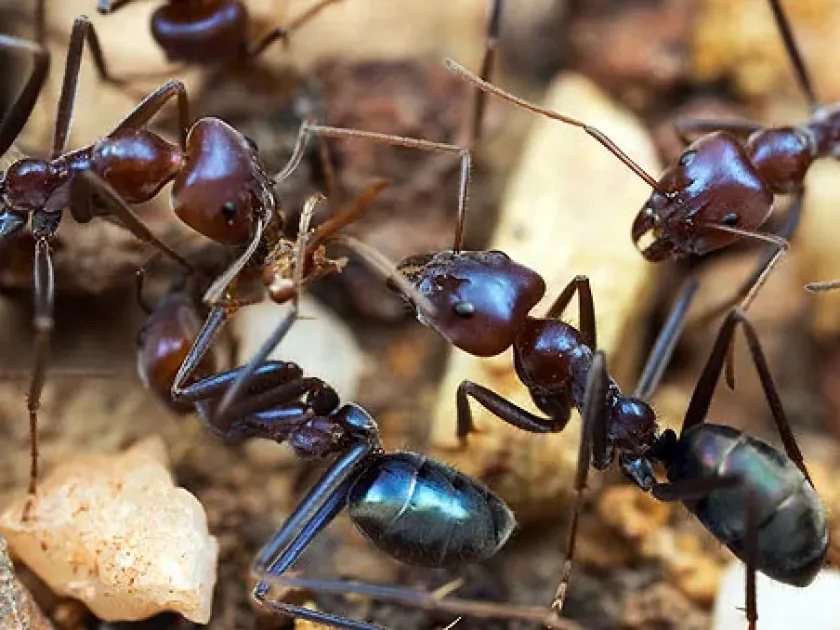
The Meat ant, scientifically known as Iridomyrmex detectus, is a member of the Formicidae family. It is a highly recognizable species, often identified by its reddish-brown head and thorax, contrasting with a darker, sometimes black abdomen.
Workers of this species typically measure 5 to 7 millimeters in length and exhibit metallic reflections on their bodies. Their most distinctive feature is the construction of large, complex mounds composed of excavated soil, pebbles, and organic debris.
These ants are extremely territorial and aggressive towards other insect species. They often form large supercolonies, which can dominate the entire local ecosystem in the areas they inhabit, influencing the biodiversity of the soil.
Biologically, they are sun-loving creatures, and their nest construction is highly optimized for heat absorption. Their activity is heavily dictated by temperature and light, as they remain most active during warm, sunny days.
The colony structure is complex, often involving long-lived queens and a vast workforce. Their lifecycle follows the typical holometabolous development, allowing for rapid colony growth and high resilience against environmental changes.
What it damages
Meat ants cause significant agricultural damage primarily through their mutualistic relationship with aphids and scale insects. By aggressively protecting these sap-sucking pests from natural predators like ladybugs, they inadvertently boost pest populations.
The sugary honeydew excreted by aphids provides a perfect substrate for sooty mold to grow on plant leaves. This black fungal growth inhibits photosynthesis, leading to reduced vigor, stunted growth, and lower crop yields.
The digging activity of these ants often disrupts the soil structure around the roots of fruit trees and young seedlings. This can lead to localized drying and damage to essential root hairs, impacting the plant's nutrient uptake.
By patrolling plants to protect aphids, these ants often interfere with beneficial pollinators. Their aggressive nature discourages bees and other insects from visiting flowers, which can severely reduce fruit set and seed production.
Furthermore, they can physically damage young plant tissue during their exploration or when expanding their mound systems. Their presence often serves as a catalyst for other horticultural issues, such as the spread of fungal pathogens via their tunnel networks.
Signs of infestation
The most visible indicator of a Meat ant infestation is the presence of large, often circular, soil mounds. These structures are usually surrounded by areas of cleared ground where vegetation is sparse or entirely absent.
Well-defined, permanent trails leading from the nests to fruit trees or bushes indicate active foraging and aphid farming. These trails are often maintained for long periods and show high traffic volume during peak daylight hours.
Sticky residues on leaves, accompanied by the appearance of black sooty mold, are classic symptoms of aphid populations supported by ants. Checking the underside of these leaves usually reveals a large number of ants actively guarding their prey.
Heightened ant aggression near the base of trees is a sign of an established colony protecting its resources. They are highly territorial, and any disturbance near their mounds or major trails will trigger an immediate defensive response.
In spring and early summer, observing ants carrying or guiding aphids onto new plant growth is a definitive sign that the colony is actively expanding its agricultural exploitation on your property.
Control measures
Effective control of Iridomyrmex detectus requires targeting the colony rather than just the individuals. Slow-acting insecticide baits are highly recommended, as they allow workers to carry the toxin back to the queen and the brood.
Installing mechanical or sticky barrier bands on the trunks of fruit trees is a highly effective way to prevent ants from accessing their aphid colonies. This physical exclusion allows natural predators to regain control of the pest population.
Cultural control practices, such as regular soil cultivation and mulching, can make the environment less suitable for nest building. By frequently disturbing the upper layers of soil, you can discourage the ants from settling in critical areas.
Biological control using entomopathogenic fungi can also be employed in suitable climates. These organisms infect the colony from within, providing a sustainable and environmentally friendly way to reduce the population over time.
Finally, managing the primary pest source is crucial. By eliminating aphid and scale infestations, you remove the food source that the ants are protecting, forcing them to move elsewhere in search of alternate nutritional resources.
Taxonomy
- Latin name
- Iridomyrmex detectus
- Order
- Hymenoptera
- Family
- Formicidae
- EPPO code
- IRIDDE
Discussion
No discussions yet — be the first.