
Hypoponera
Hypoponera
Description
How to identify
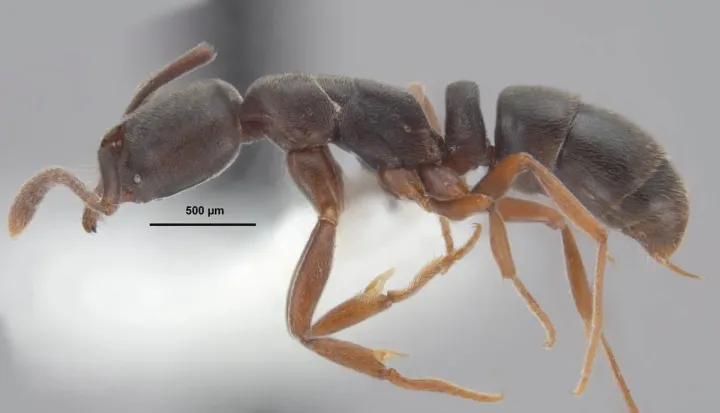
Hypoponera is a genus of ants within the Ponerinae subfamily, known for their small size and cryptic, subterranean lifestyle in soil or decaying organic matter.
Adult workers are typically very small, ranging from 2 to 3 mm in length, with a slender body structure that makes them difficult to spot at first glance.
They are characterized by their slow movement and a preference for dark, moist environments, rarely venturing into open, brightly lit spaces during the day.
Colonies are often small, allowing them to thrive in potted plants or greenhouse beds where they can easily conceal their nest structure beneath the surface.
They are primarily predatory, but their presence in an agricultural setting often correlates with the protection and spread of various plant-sucking insects.
What it damages
The primary damage caused by Hypoponera is mechanical: they construct galleries through the soil, which can disturb and damage the fine root systems of young plants.
They frequently form mutualistic relationships with aphids and scale insects, protecting these pests from natural predators and promoting their survival on crops.
By constantly disturbing the soil structure, these ants can create air pockets that cause roots to dry out, leading to plant wilting and stunted growth patterns.
In greenhouses, their activity can also lead to uneven water distribution, which hampers the nutrient uptake efficiency of the affected horticultural plants.
Furthermore, they act as vectors for various pathogens, potentially spreading soil-borne fungi and bacteria across different sections of a crop.
When it appears
In temperate climates, the activity of Hypoponera peaks during the warmer months, starting from late spring and continuing through the early autumn period.
However, in controlled environments such as greenhouses, nurseries, or indoor plant collections, these ants remain active and reproductive throughout the entire year.
Optimal conditions for their activity involve temperatures between 22°C and 28°C and high soil moisture, which are common in many greenhouse settings.
Springtime often marks the start of a period of rapid colony growth and expansion, making it a critical time for monitoring and early intervention.
Activity levels remain relatively high as long as there is a consistent food source, such as aphid secretions or other small insects, available to the colony.
Signs of infestation
The most common sign of infestation is the discovery of small ants emerging from pots or soil surfaces immediately after irrigation or fertilization.
Visual evidence includes small holes and disturbed soil texture in greenhouse beds or containers, indicating the presence of subterranean tunnels.
A sudden and unexplained infestation of aphids or mealybugs on leaves is often a strong indicator that ants are shielding these pests from predators.
Plants may show signs of stress, such as yellowing leaves or wilting, without any obvious cause, which suggests damage to the root system below ground.
The accumulation of soil particles on the foliage near the base of the plant can sometimes indicate excavation activity taking place beneath the pot.
Control measures
Effective management begins with maintaining appropriate irrigation practices, as dry, well-structured soil is less hospitable for these moisture-loving ants.
Using slow-acting bait gels is one of the most effective ways to target the entire colony, including the queen, as workers carry the toxins back to the nest.
In cases of severe infestation, targeted soil drenches with registered insecticides can provide immediate reduction in the local ant population.
- Application of entomopathogenic fungi as a biological control strategy.
- Replacing the top layer of substrate to physically remove larvae and eggs.
- Using sticky barriers on stems to prevent ant access to the foliage.
- Maintaining high standards of greenhouse sanitation to minimize food sources.
Management must be persistent, as colonies are often well-hidden and capable of rapid regeneration if the primary source of the nest remains undisturbed.
Taxonomy
- Latin name
- Hypoponera
- Order
- Hymenoptera
- Family
- Formicidae
- EPPO code
- HPPOSP
Discussion
No discussions yet — be the first.