
Guest ant
Formicoxenus
Description
How to identify
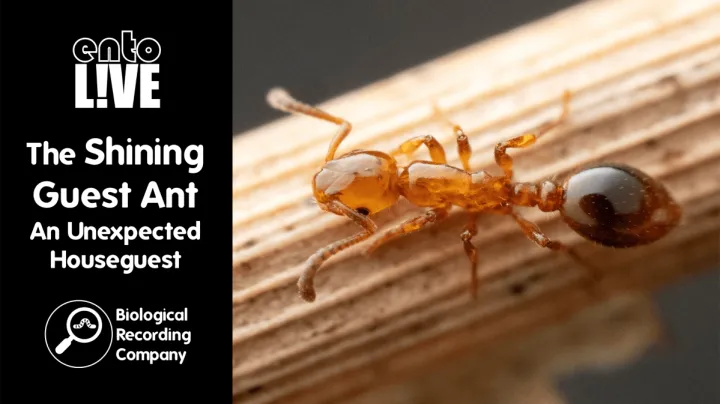
The guest ant, scientifically known as Formicoxenus nitidulus, is a small species belonging to the Formicidae family and the Hymenoptera order. They are remarkably tiny, typically measuring no more than 3 millimeters in length.
They possess a slender, dark, and glossy body structure. Due to their minute size and specific lifestyle, they are rarely seen by gardeners during routine inspections.
This species is an obligate inquiline, meaning they reside exclusively within the nests of other larger ant species, primarily those in the Formica genus.
They do not build their own standalone mounds. Instead, they rely on the architectural infrastructure and social resources provided by their host colony to survive.
Through chemical mimicry, they successfully integrate into the host nest, avoiding detection or aggression from the host ants while utilizing their resources.
What it damages
While the guest ant does not feed on plant tissues directly, it acts as a catalyst for pest infestations by supporting the host colony's activities.
The host ants often maintain symbiotic relationships with aphids and scale insects. By helping the host colony thrive, guest ants indirectly contribute to the proliferation of these sap-sucking pests.
Aphids fed by the ant colonies weaken plants by extracting essential nutrients, leading to stunted growth, leaf curling, and poor fruit development.
The presence of these pests also facilitates the spread of sooty mold, a fungus that grows on the honeydew excreted by aphids, blocking sunlight from the foliage.
Long-term infestation can significantly reduce the overall health and productivity of orchard trees and ornamental shrubs.
When it appears
Ant activity begins in early spring as ground temperatures rise sufficiently to allow the host colony to emerge from its overwintering state.
The peak period of activity, including growth and development of the colony members, occurs during the warm summer months of June and July.
As autumn approaches and temperatures drop, the entire colony, including the guest ants, retreats deeper into the nest to survive the winter season.
The biological cycle of the guest ant is strictly synchronized with that of their host, ensuring they are active only when the host colony is capable of supporting them.
Because they are exclusively subterranean or nest-bound, they do not have a distinct seasonal migration phase visible to humans on the surface.
Signs of infestation
The most reliable sign of a problematic ant presence is the existence of large mounds at the base of fruit trees accompanied by heavy aphid infestations in the canopy.
Directly identifying Formicoxenus is nearly impossible without professional entomological intervention due to their secretive nature.
Sticky honeydew residues on leaves and the subsequent appearance of black sooty mold are classic indicators that an ant-tended aphid colony is present.
Visual observation of ant trails running up and down the stems of trees indicates that the ants are actively patrolling and protecting their livestock.
- Excessive aphid colonization on new shoots.
- Presence of black, powdery sooty mold on leaves.
- Frequent movement of ants on tree trunks.
- Visible nest entrances near the roots of ornamental or fruit plants.
Control measures
Effective control requires targeting the host ant colony, as removing the host automatically eliminates the dependent guest ant population.
Utilizing slow-acting, toxic ant baits is highly recommended, as workers will transport the poison deep into the nest, affecting the entire colony structure.
Physical barriers, such as adhesive tree bands applied to the bark, effectively prevent ants from reaching the canopy and tending to aphids.
Regular application of appropriate insecticides against aphids can drastically reduce the food supply that makes the garden attractive to ants.
Maintaining a clean garden by removing weeds and controlling nearby aphid populations is essential for long-term prevention and plant protection.
Taxonomy
- Latin name
- Formicoxenus
- Order
- Hymenoptera
- Family
- Formicidae
- EPPO code
- FORXSP
Discussion
No discussions yet — be the first.