
Ulke's ant
Formica ulkei
Description
How to identify
Ulke's ant (Formica ulkei) is a member of the Formicidae family within the Hymenoptera order. It is a distinctive species often identified by its morphological traits and nesting habits in temperate regions.
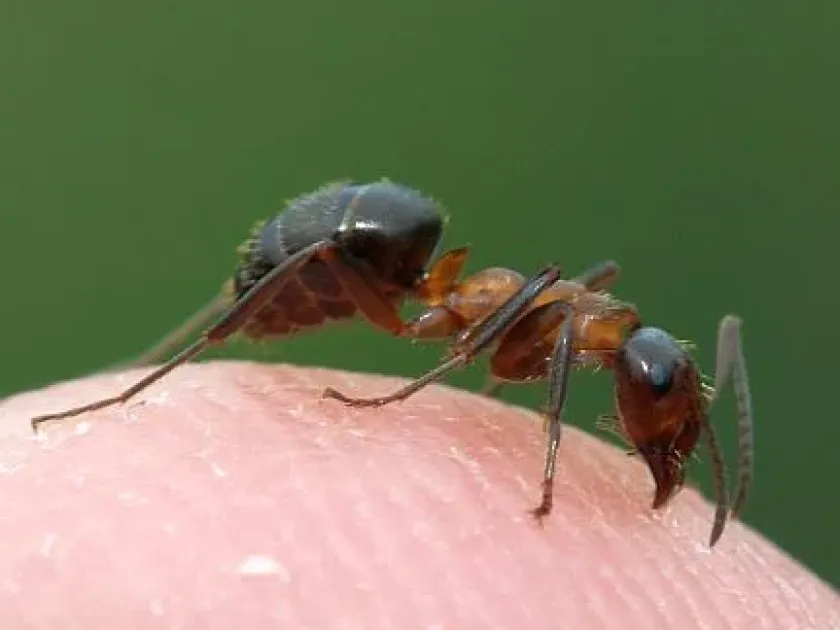
The worker ants are typically between 4 to 7 mm in length. They display a characteristic coloration with a dark head and abdomen, contrasted by a reddish-brown thorax.
This species is well-known for building massive, conspicuous mounds composed of organic debris, including pine needles, twigs, and soil, which can persist for many years in the same location.
Formica ulkei colonies are typically polygynous, meaning they possess multiple queens. This structure allows the colony to reach a high density and recover quickly from environmental stressors.
These ants are highly aggressive and territorial, often engaging in competition with other ant species to dominate the food resources in their immediate surroundings.
What it damages
The primary economic damage caused by Ulke's ant is indirect. They do not feed on plant tissue directly but rather establish a mutualistic relationship with honeydew-producing insects like aphids.
By protecting aphids from natural predators such as ladybugs and lacewings, the ants ensure the survival and expansion of aphid colonies on fruit trees, shrubs, and garden flowers.
The resulting aphid infestation leads to stunted growth, leaf curling, and overall plant decline, as the aphids extract essential sap from the host plant's phloem.
Furthermore, the physical construction of large ant mounds can disturb the rhizosphere of perennial plants, potentially damaging roots and causing dehydration in the affected area.
The accumulation of honeydew secreted by aphids serves as a substrate for sooty mold, which inhibits photosynthesis and negatively affects the aesthetic and market value of the produce.
When it appears
The activity of Ulke's ant begins in early spring, once the soil temperature is sufficient for the ants to emerge from their subterranean overwintering chambers.
Activity levels peak during June and July, coinciding with the rapid development of the colony's brood and the high demand for carbohydrates to sustain the population.
During the peak summer months, foragers are constantly moving between their nest and aphid colonies on various host plants, extending their territory throughout the growing season.
As autumn approaches, the ants gradually shift their focus towards preparing the nest for winter, reducing their foraging excursions as temperatures drop.
During the winter, the colony enters a state of diapause or dormancy, residing deep within the nest mound below the frost line to survive the cold season.
Signs of infestation
The most evident sign of a Formica ulkei presence is the existence of well-worn foraging trails connecting the nest mound to infested plant sites.
A dense population of aphids that remains untroubled by typical predators is a strong indicator of ant intervention and active guarding behavior.
Sticky residue or "honeydew" on leaf surfaces, followed by the appearance of dark, velvety sooty mold, suggests a long-term presence of aphid-tending ants.
Finding a large, dome-shaped mound constructed from forest debris in the garden or nearby landscape is a clear identification mark for this species.
Increased ant activity on the bark of fruit trees and a visible defensive posture when the plant is touched are classic behavioral signs of an established infestation.
Control measures
Effective management focuses on disrupting the ant-aphid mutualism by eliminating the source of honeydew and preventing ants from accessing the host plants.
- Apply sticky bands around tree trunks to act as physical barriers.
- Utilize slow-acting bait stations to target the entire colony, including the queens.
- Promote the presence of natural predators like ladybirds and hoverflies.
- Mechanically remove mounds if they are damaging crops or decorative plants.
- Apply systemic insecticides to control aphid populations, thereby removing the ant's food source.
Physical barriers are highly effective for trees; they prevent workers from reaching the canopy, which naturally leads to a decline in the aphid population due to predation.
Chemical control should be applied judiciously, focusing on nest treatment rather than broadcast spraying to minimize environmental impact and protect beneficial insects.
Cultural practices, such as removing weeds that harbor aphids and maintaining healthy plant vigor, make the garden less attractive to the establishment of new Formica ulkei colonies.
Taxonomy
- Latin name
- Formica ulkei
- Order
- Hymenoptera
- Family
- Formicidae
- EPPO code
- FORMUL
Discussion
No discussions yet — be the first.