
Dusmeti carpenter ant
Formica dusmeti
Description
How to identify
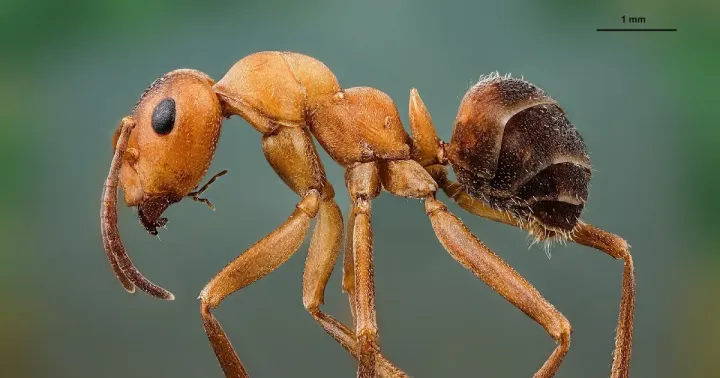
The Dusmeti carpenter ant (Formica dusmeti) belongs to the Formicidae family and the order Hymenoptera. This insect is characterized by a medium body size and a coloration ranging from brown to dark brown, which helps it blend in effectively with tree bark.
This species prefers to nest in the wood of weakened or decaying trees, using its powerful mandibles to excavate tunnels. Externally, worker ants look similar to other members of the genus but exhibit specific behavioral traits when threatened.
The life cycle involves complete metamorphosis: egg, larva, pupa, and adult. Colonies are typically monogynous, led by a single queen responsible for reproduction and the growth of the ant colony size.
Reproduction occurs in the summer, when winged individuals take part in nuptial flights to establish new colonies. Larval development is directly dependent on the microclimate within wooden cavities and the availability of food sources.
Detecting this species in a garden requires a professional approach, as they are rarely aggressive toward humans, but they cause significant damage to the structure of woody tissues during mass infestation.
What it damages
The primary harm caused by Formica dusmeti lies in the mechanical destruction of wood in fruit and ornamental plants. They most often choose old trees where rot has already begun, although they may colonize healthy areas if no other sites are available.
The pest damages apple, pear, plum, and other stone fruit trees by boring deep galleries inside trunks and thick branches. This disrupts sap flow and weakens the overall health of the tree.
In addition to physical destruction, ants facilitate the spread of aphids, which suck juices from young shoots and leaves. The ants "tend" the aphids, protecting them from natural predators in exchange for honeydew.
The presence of tunnels inside the wood promotes the entry of pathogenic fungi and bacteria, leading to the development of secondary infections such as stem rots, which significantly shortens the lifespan of the tree.
In advanced cases, the infested branch or the entire tree becomes brittle, loses its ability to withstand wind stress and bear fruit, eventually leading to the inevitable death of the plant.
When it appears
Ant activity begins in early spring as soon as the average daily air temperature consistently rises above +10°C. During this period, worker ants begin foraging for food to support the colony after overwintering.
The peak of activity occurs in late May and June, when the aphid population grows rapidly, increasing the ants' demand for food resources and the need to expand their tunnel network.
During the summer, intense construction of new chambers and foraging in nearby areas is observed. The temperature conditions during this time allow larvae to develop most rapidly.
With the onset of autumn and temperatures dropping to +8-10°C, the ants gradually move deeper into the wood or into the soil under the tree roots, preparing for winter diapause.
The insects overwinter inside deep galleries, where the temperature is more stable and protected from critical frost, ensuring high colony survival in temperate climates.
Signs of infestation
The first sign of Formica dusmeti presence is the characteristic sawdust found at the base of the trunk or in branch forks, left behind after excavating tunnels in the wood.
A second important signal is the appearance of ant trails along the tree trunk, leading to aggregations of aphids on young leaves and the tips of shoots.
The presence of deep holes in the bark, from which insects sometimes emerge, indicates that the colony has long been established inside the trunk and is actively destroying it.
A decrease in yield and premature yellowing of leaves, despite proper watering and fertilization, often indicates hidden wood damage by these pests.
Tapping the trunk may reveal a hollow sound in areas where the wood has been extensively tunneled by ants, confirming the presence of an elaborate chamber system inside the tree.
Control measures
To protect the garden, it is necessary to prioritize timely sanitary pruning, removing old, rot-damaged branches and trees that could serve as a base for the colony.
An effective method is the installation of sticky bands on tree trunks, which prevent ants from reaching the crown and restrict their access to aphid colonies.
The use of biological and chemical insecticides based on fipronil or chlorpyrifos in areas of high pest density helps significantly reduce the colony population.
It is recommended to use specialized gels and poison baits that worker ants carry deep into the nest, leading to the queen's death and the total destruction of the family.
- Treating trunks with specialized protective paints or horticultural sealants.
- Regular elimination of aphid colonies in the area.
- Promoting natural predators, such as birds and ladybugs.
Taxonomy
- Latin name
- Formica dusmeti
- Order
- Hymenoptera
- Family
- Formicidae
- EPPO code
- FORMDU
Discussion
No discussions yet — be the first.