
Carpenter ant Camponotus zonatus
Camponotus zonatus
Description
How to identify
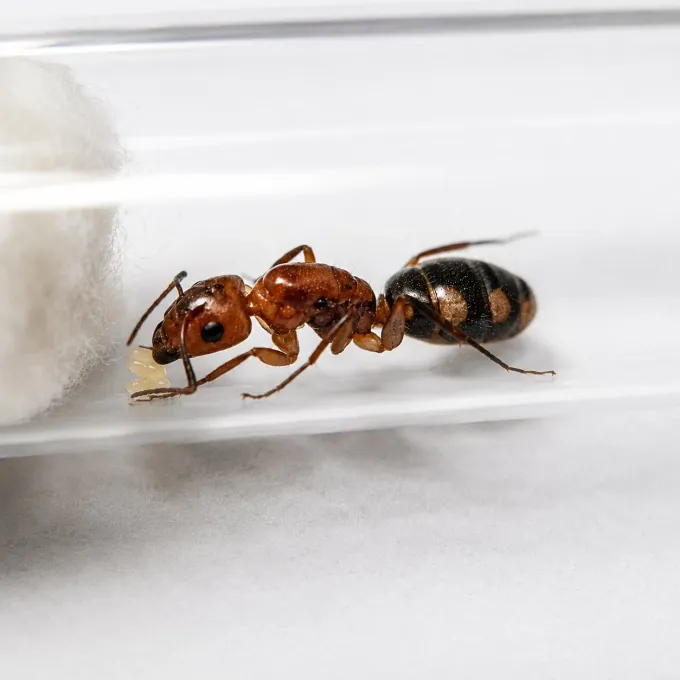
The carpenter ant Camponotus zonatus belongs to the order Hymenoptera, family Formicidae. This species is characterized by its specific morphology and often distinctive coloration patterns on the abdomen, which are typical for certain members of the Camponotus genus.
Worker ants are equipped with strong mandibles designed for excavating wood. Unlike some other species, they are specialized in tunneling through wood, creating extensive galleries that serve as habitats and nursery chambers for the colony.
The biological cycle involves a queen, which is the reproductive center of the colony, and various worker castes that perform different tasks such as foraging, caring for larvae, and excavating tunnels. Swarming typically occurs during warm seasons when winged reproductives leave the nest.
Humidity is a critical factor for the survival of the brood within the colony. The ants actively regulate the internal microclimate of their wooden nests, often choosing sites that are protected from direct weather yet have access to a sufficient moisture source.
While they do not consume wood as a food source, their nest-building activity is significant. They prefer nesting in wood that has already been softened by fungal decay or environmental exposure, further weakening the structural integrity of the host plant.
What it damages
These ants typically target a variety of fruit and ornamental trees. They are particularly drawn to weakened, decaying, or previously injured trees that offer existing cracks, hollows, or damaged bark for nest initiation.
By carving tunnels through the heartwood or sapwood, the ants disrupt the plant's vascular system, specifically the xylem and phloem. This interference hinders the transport of essential water and nutrients, leading to reduced vigor and stunted growth.
The structural damage caused by Camponotus zonatus acts as an entry point for various secondary infections. Fungal spores and bacteria can easily invade these hollowed-out areas, leading to internal rot that persists even if the ants are removed.
The presence of carpenter ants is often linked to the protection of aphids. The ants guard aphid colonies, which extract sap from new shoots and leaves, causing leaf deformation and potential transmission of plant viruses that further debilitate the tree.
In mature trees, severe infestations can lead to branch failure or even the loss of the entire tree. The weakening of the wood makes it prone to snapping under extreme weather conditions like strong winds or heavy rain, posing a risk to the surrounding landscape.
Signs of infestation
One of the most obvious signs is the appearance of frass — a fine, sawdust-like material pushed out of the tunnels. This debris often accumulates at the base of the tree or on branches near the nest entrance.
If you listen closely to the affected tree during calm weather, you might hear a faint rasping or rustling sound. This is caused by the active excavation work conducted by worker ants inside the wooden structure.
Visible openings in the bark or exposed wood are primary indicators. These entry holes are often located near branch crotches or areas with previous mechanical damage, and you may see steady trails of ants traveling in and out.
Tree health symptoms such as early leaf yellowing, thinning of the canopy, or branch dieback are common in infested specimens. These symptoms often reflect the compromised internal nutrient flow caused by the ants' destructive activity.
- Accumulation of sawdust-like frass at the tree base.
- Small, circular holes or slits in the bark or wood.
- Visible ant trails climbing the trunk toward the canopy.
- Infestations of aphids on young shoots nearby.
- Presence of hollowed-out areas or internal rot near entry points.
Control measures
Sanitation is the first step in prevention. Regularly removing dead or diseased branches eliminates potential nesting sites, making the trees less attractive to foraging queens looking for new colony locations.
For existing infestations, localized treatment using insecticide baits or aerosols is highly effective. Injecting these directly into the galleries allows the chemical to reach the heart of the colony, effectively eliminating the population.
Sticky bands applied around the trunks serve as physical barriers that prevent worker ants from climbing back up to the canopy. These barriers should be inspected and refreshed periodically to maintain their effectiveness against crawling insects.
Managing aphid populations is crucial, as they are a primary food source for ants. By reducing aphid numbers through biological or chemical control, you disrupt the ant colony's food supply, often leading them to relocate elsewhere.
Whitewashing tree trunks and sealing cracks or hollows with horticultural sealant helps deter colonization. A proactive approach involving regular inspection and prompt repair of any mechanical damage significantly lowers the risk of carpenter ant settlement.
Taxonomy
- Latin name
- Camponotus zonatus
- Order
- Hymenoptera
- Family
- Formicidae
- EPPO code
- CAMOCZ
Discussion
No discussions yet — be the first.