
Camponotus consobrinus
Camponotus consobrinus
Description
How to identify
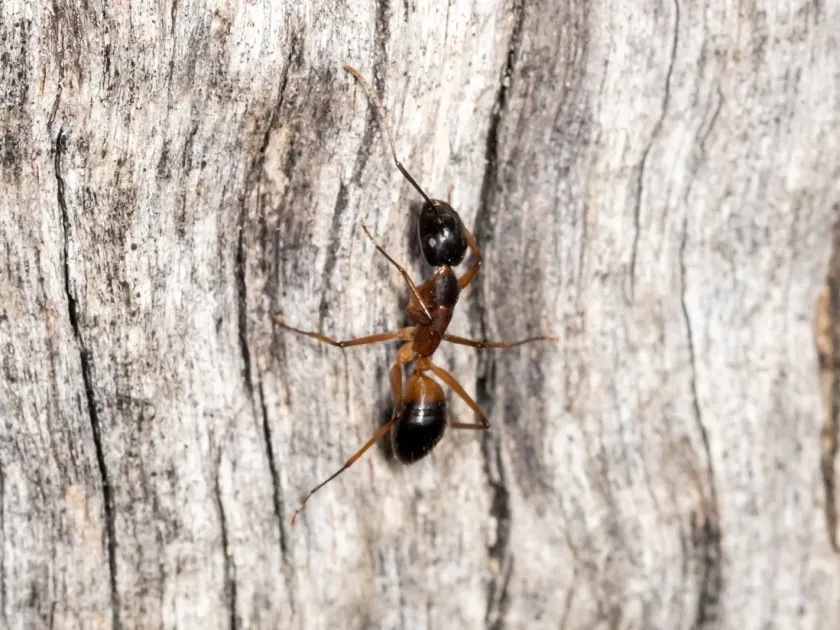
Camponotus consobrinus, commonly known as the banded sugar ant, is a prominent species within the Formicidae family, belonging to the order Hymenoptera. These ants are easily recognized by their relatively large size and a distinct reddish-brown color on their head and thorax, contrasting with a dark abdomen.
They are highly social insects that exhibit a clear caste system. The workers vary in size, with larger soldiers dedicated to colony defense, while smaller workers focus on foraging and maintenance tasks.
This species is known for its ability to nest in a variety of environments, including soil, under rocks, and within decaying wood. Their nests are typically deep and well-protected, helping the colony survive various climate conditions.
The life cycle encompasses four main stages: egg, larva, pupa, and adult. The development of brood is heavily dependent on the workers, who regulate temperature and humidity within the nest chambers.
Unlike some other ant species, they are primarily nocturnal or crepuscular foragers, often seen active during cooler parts of the day or throughout the night in search of food sources.
What it damages
The primary economic damage caused by these ants is indirect, resulting from their symbiotic relationship with aphids and other sap-sucking insects. They actively protect these pests from natural predators to harvest the honeydew they secrete.
By protecting sap-sucking insects, they contribute to the rapid infestation of crops, which leads to stunted plant growth, leaf curling, and the spread of viral diseases between plants.
They may also physically damage young vegetation by gnawing on delicate buds and shoots to access plant fluids or to expand their nest tunnels in the root zone, which can kill small seedlings.
Their digging activities near plant roots can cause soil compaction and create air pockets, leading to root desiccation and decreased water uptake capacity of the host plants.
In mature trees, they often take advantage of pre-existing decay, nesting inside damaged areas, which further accelerates the structural breakdown of the wood and shortens the plant's lifespan.
Signs of infestation
A major indicator of their presence is the formation of distinct, well-trodden paths that lead directly from their nesting site to the host plants where aphids are feeding.
The appearance of sticky, sugary honeydew deposits on leaves, followed by the growth of sooty mold, is a classic sign of aphid colonies being tended by these ants.
Small circular holes or piles of debris and soil scattered at the base of plants or near garden beds frequently point to a well-established colony living beneath the surface.
Stunted or yellowing leaves on ornamental shrubs and young fruit trees often indicate that the plant's resources are being drained by the protective presence of the ant-aphid complex.
Observing high activity of large, reddish-colored ants during the night hours around the base of trees is a definitive sign of an active infestation that needs attention.
Control measures
Targeted use of slow-acting toxic baits containing substances like fipronil is the most effective way to eliminate the entire colony, as workers carry the poison back to the queen.
Integrated pest management should focus on reducing the aphid population through physical washing or the application of horticultural soaps, which effectively removes the ants' food source.
Applying sticky adhesive bands or mechanical barriers to the trunks of fruit trees prevents the ants from climbing into the canopy, effectively isolating the pests.
Sanitation is key; removing old stumps, rotting logs, and piles of garden debris eliminates prime nesting locations and forces the colony to migrate elsewhere.
For sustainable control, encouraging natural predators of aphids, such as ladybugs and lacewings, helps create a natural balance that discourages the presence of protective ants.
Taxonomy
- Latin name
- Camponotus consobrinus
- Order
- Hymenoptera
- Family
- Formicidae
- EPPO code
- CAMOCO
Discussion
No discussions yet — be the first.