
Azteca paraensis
Azteca paraensis
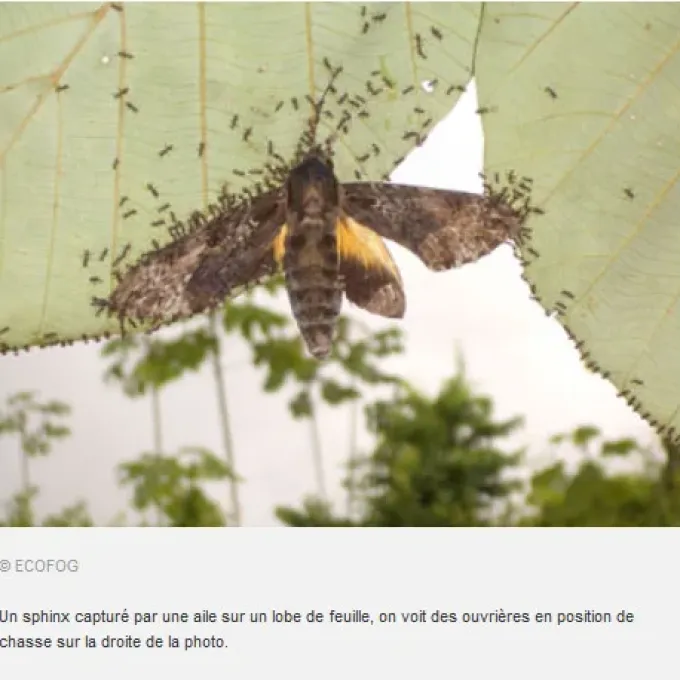
Description
How to identify
Azteca paraensis is a species of arboreal ant belonging to the family Formicidae and the order Hymenoptera. They are well-known for their nesting behavior, often building carton nests in the cavities of tree branches or under bark.
Physically, these ants exhibit the typical morphological characteristics of the genus Azteca. They are known for their aggressive defensive behavior when their host tree or their associated honeydew-producing insects are threatened.
The biological success of this species is largely due to its highly organized social structure. The colony is governed by a queen and maintained by a large workforce of workers that facilitate expansion and defense.
Their life cycle consists of the standard stages of complete metamorphosis. The colony population can grow very rapidly if environmental conditions in tropical habitats are optimal.
They are highly specialized inhabitants of tropical canopies, making them a significant challenge to manage in managed agricultural environments like cocoa or coffee plantations.
What it damages
This species is primarily a pest in tropical agroecosystems, affecting crops such as cocoa, coffee, and various citrus fruits. They do not cause mechanical damage to the plant tissue themselves.
The damage is indirect but severe. Azteca paraensis ants engage in mutualism with sucking insects, such as mealybugs and aphids, providing them protection from natural predators.
By protecting these sap-sucking pests, the ants enable them to multiply into massive populations. This leads to heavy nutrient depletion in the host tree, causing stunted growth and yield loss.
The copious amounts of honeydew produced by the protected pests promote the growth of sooty mold. This layer of black fungus covers the leaves, significantly reducing the tree's photosynthetic efficiency.
Prolonged infestations lead to the decline of trees, characterized by leaf chlorosis, twig dieback, and eventual economic failure for the agricultural operation if left unchecked.
Signs of infestation
A primary indicator of infestation is the presence of distinct ant trails moving along the tree trunks and main branches, often moving in highly organized columns.
Visible colonies of mealybugs or aphids in protected locations like leaf axils or bark crevices serve as a clear sign that the ants are present and actively tending to them.
The sticky residue of honeydew on the foliage, often followed by the development of black sooty mold, is a diagnostic sign of an active ant-hemipteran mutualism.
Plant health symptoms include general wilting, yellowing of leaves, and excessive flower or fruit drop, which indicate high stress caused by the heavy sap-sucking activity.
Close inspection of the tree often reveals carton nests constructed by the ants, which are composed of masticated plant fibers and soil, attached to the bark or within hollow sections.
Control measures
Effective control of Azteca paraensis requires an integrated pest management (IPM) strategy that focuses on disrupting the symbiotic relationship between the ants and their honeydew sources.
Applying systemic insecticides to control the mealybug and aphid populations is the most effective approach. When the honeydew source is eliminated, the ant colony often disperses or dies off.
The use of physical barriers, such as sticky bands around the base of tree trunks, is effective in preventing the ants from moving up and down, effectively isolating the crown from re-infestation.
Sanitation practices, including the pruning and removal of heavily infested or damaged branches, are crucial for reducing the total colony size and nesting sites within the plantation.
Biological control methods, such as utilizing specific fungal pathogens or encouraging natural predators of the ants, can provide a sustainable way to manage their impact without heavy chemical reliance.
Taxonomy
- Latin name
- Azteca paraensis
- Order
- Hymenoptera
- Family
- Formicidae
- EPPO code
- AZTEPB
Discussion
No discussions yet — be the first.