
Azteca chartifex
Azteca chartifex
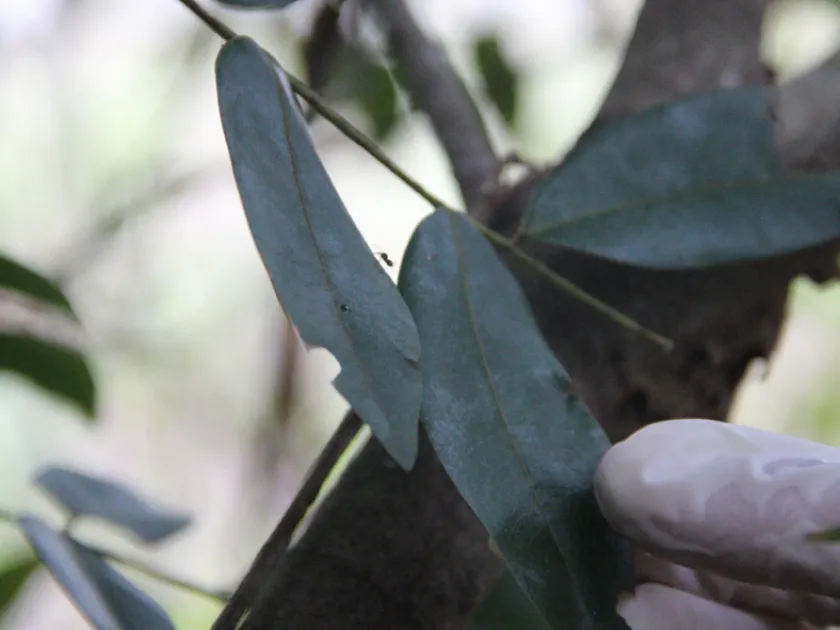
Description
How to identify
Azteca chartifex, widely known as a carton-building ant, is a species of ant native to tropical regions, recognized for its construction of sophisticated nests made of masticated wood fibers and carton-like material. These ants are generally dark in color and exhibit a highly aggressive temperament when their nesting sites are disturbed.
The worker ants are equipped with powerful mandibles and display a high degree of territoriality. The colony is highly structured, with specific castes responsible for construction, defense, and the maintenance of their mutualistic relationships with other insects.
The nests created by this species are unmistakable, appearing as dark, firm, and irregular structures attached to tree branches or trunks. These carton structures are remarkably durable and provide a secure environment for the colony, including the queen and the brood.
A defining characteristic of Azteca chartifex is their obligate mutualism with scale insects and mealybugs. The ants actively transport these pests and guard them against predators, ensuring the pests have a safe environment to feed on the tree's sap.
Identifying this species is straightforward due to their distinctive carton nests and their immediate aggressive reaction. If a branch containing a nest is touched, the ants emerge in massive numbers, making it clear that a large colony is present.
What it damages
The agricultural impact of Azteca chartifex is primarily indirect, caused by their protection of sap-sucking insects like mealybugs and scale insects. By preventing natural predators from reaching these pests, the ants enable population explosions that severely drain the tree's vitality.
Trees infested with these ants often suffer from nutrient deficiencies and stunted growth. The excessive sap extraction by protected pests weakens the tree's immune system, making it more susceptible to various plant pathogens and environmental stresses.
Physical damage can also occur during the nest-building process. The ants may remove bark or foliage to enlarge their nest territory, creating open wounds on the tree that can serve as entry points for fungal or bacterial infections.
Harvesting operations on affected farms are frequently impeded by the presence of these ants. Their painful stings and defensive behavior make it difficult for laborers to work in the canopy, leading to significant delays and increased labor costs during harvest time.
The accumulation of honeydew secreted by the ants' symbionts leads to the growth of sooty mold, which covers the leaves. This coating inhibits photosynthesis and significantly reduces the commercial quality of the fruit or crop.
When it appears
Azteca chartifex colonies maintain activity throughout the entire year due to the stable, warm climate of their tropical range. There is no traditional dormant period, meaning the threat to agricultural crops persists year-round.
Population growth and dispersal of new colonies typically peak at the beginning of the rainy season. The abundance of moisture supports the health of their symbionts, allowing the ant colony to expand rapidly during these periods.
During the drier months, while the overall metabolic rate of the colony might slow down, the carton nests continue to provide excellent protection against heat, ensuring the colony survives without significant population decline.
Growers should be aware that the timing of new colony establishment often coincides with the flush of new vegetative growth on trees, which provides both physical anchor points and a food source for their scale insect symbionts.
Consistent monitoring is essential throughout the year. The appearance of new, small carton structures on young branches is a primary indicator of a spreading infestation that needs to be addressed early.
Signs of infestation
The most prominent sign of an Azteca chartifex infestation is the presence of hard, carton-like mounds or elongated structures built around the junctions of tree branches or along the trunks.
Observing columns of black ants traveling in organized lines along the bark is a clear indicator that a colony is active and using the tree as a foraging and transport route.
A large, unexplained population of mealybugs or scales, especially on trees where natural enemies are absent, strongly suggests the presence of an ant colony that is excluding predators from the area.
Leaves covered with a dark, powdery substance—sooty mold—are a classic sign of honeydew-producing pests. If this is accompanied by ant traffic, it is a definitive indication of a symbiotic relationship involving Azteca ants.
Fresh mechanical damage to the bark or young shoots, characterized by clean cuts or removed tissue near nesting sites, indicates that the colony is currently expanding its infrastructure.
Control measures
Managing Azteca chartifex requires a focus on disrupting their mutualistic relationships. The primary goal is to suppress the population of sap-sucking pests that serve as the colony’s food source, thereby making the habitat less desirable for the ants.
Targeted insecticide applications, used sparingly to manage mealybugs or scale, can help reduce the ants' incentive to remain on the tree. It is crucial to choose chemicals that have minimal impact on non-target beneficial species.
Mechanical control, such as pruning and removing nests, is the most direct way to reduce colony size. However, this must be performed with appropriate safety gear to prevent stings and ensure worker protection.
- Pruning and destroying heavily infested branches to physically remove the carton nests.
- Applying sticky or non-drying barriers to tree trunks to prevent ant movement.
- Using biological control agents that target scale insects to reduce the availability of honeydew.
- Implementing regular orchard scouting to detect and remove nascent colonies before they become established.
Taxonomy
- Latin name
- Azteca chartifex
- Order
- Hymenoptera
- Family
- Formicidae
- EPPO code
- AZTECH
Discussion
No discussions yet — be the first.