
Azteca ant
Azteca
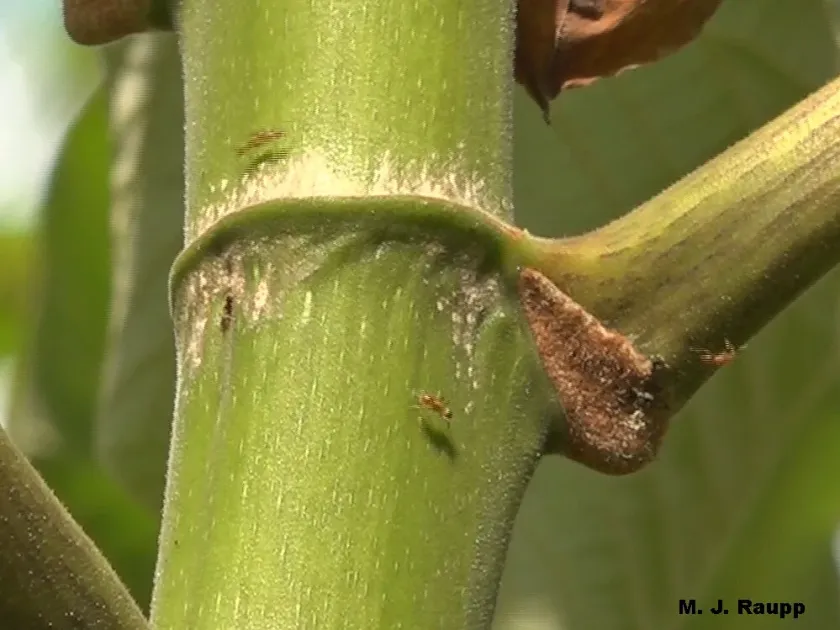
Description
How to identify
The genus Azteca belongs to the subfamily Dolichoderinae. These are arboreal ants that typically establish their nests within hollow tree branches or construct carton nests on foliage.
Worker ants are generally 2 to 5 mm long, with coloration ranging from pale yellow to dark brown. Their bodies are sparsely covered with hairs, and they possess a distinctive heart-shaped head.
Queens are significantly larger than the workers and reside deep within the internal tree galleries. A single colony may harbor multiple queens, ensuring high reproductive capacity.
Identification is easily confirmed by their aggressive defensive behavior. When their nesting sites are disturbed, they release chemical alarm signals and swarm toward the source of the threat.
Their architecture is unique; they utilize a mixture of chewed wood and waste to create firm, paper-like carton structures that act as protected housing for the colony.
What it damages
The primary agricultural damage caused by Azteca ants stems from their mutualistic association with sap-sucking pests like mealybugs and scale insects, which they protect from predators.
The ants harvest honeydew, a sugary byproduct secreted by these insects, which serves as their main carbohydrate supply. This forces them to farm and maintain scale insect populations.
As these sap-sucking populations grow, they deplete the tree of vital nutrients, leading to yellowing leaves, stunted growth, and significantly reduced yield in coffee and cocoa plants.
The presence of honeydew promotes the rapid growth of sooty mold, a dark fungal layer that covers the foliage, effectively blocking sunlight and inhibiting the plant's photosynthetic ability.
While the ants themselves do not cause structural decay to the tree as wood-borers might, their indirect role in promoting pest outbreaks causes long-term plantation decline.
Signs of infestation
The presence of carton nests, which look like elongated or rounded brownish lumps attached to tree junctions or branches, is the most clear sign of an infestation.
You may observe dense trails of ants marching up and down tree trunks, particularly during periods of high activity, as they move between their nests and the scale insect colonies.
Sticky residue on leaves and stems, often followed by the development of black sooty mold, indicates an active relationship between ants and honeydew-producing insects.
Trees infested with Azteca colonies often exhibit signs of stress, including chlorosis, leaf drop, and a general loss of vigor compared to healthy trees in the same plantation.
Tapping on the trunk or branches of an infested tree usually triggers a defensive response, where numerous ants emerge and swarm the area, signaling their defensive presence.
Control measures
Effective management requires targeting the honeydew-producing insects they farm. If the population of mealybugs or scales is suppressed, the ants lose their food source and relocate.
Applying sticky physical barriers or repellent bands around the trunks of coffee and cocoa trees can prevent ants from accessing the canopy and protecting their livestock.
Pruning infested branches is a mechanical control method that helps to remove the ants' nesting sites and significantly reduce the colony size in the short term.
Promoting biological control agents, such as predatory beetles or parasitic wasps that target scale insects, creates natural competition that displaces the ant-protected colonies.
Using localized, targeted insecticides against the hemipteran pests is preferred over broad-spectrum ant baits, as the latter can disrupt the broader plantation ecosystem.
Taxonomy
- Latin name
- Azteca
- Order
- Hymenoptera
- Family
- Formicidae
- EPPO code
- AZTESP
Discussion
No discussions yet — be the first.