
Leaf-cutting ant
Acromyrmex lobicornis
Description
How to identify
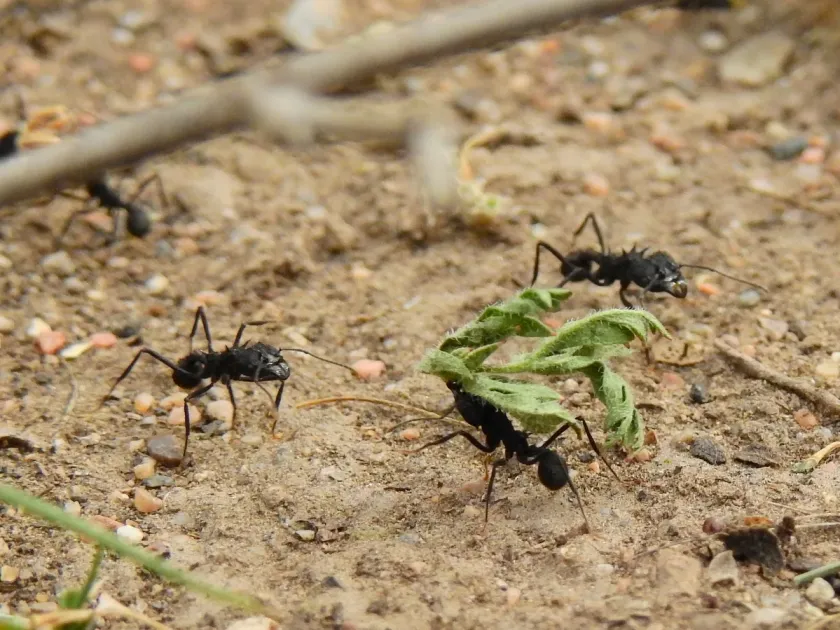
The leaf-cutting ant (Acromyrmex lobicornis) belongs to the Formicidae family and is known for its complex social structure and impressive colony organization.
They are characterized by distinct spines on their thorax and head, which are essential diagnostic features for identifying this specific species.
These ants operate in large colonies with a clear division of labor among castes, ranging from foragers to caretakers of the internal fungus garden.
The fungus is the sole food source for the colony, which the ants cultivate by actively gathering and processing fresh plant material.
Colonies are located in underground nests that can span vast areas, significantly impacting soil structure and the local ecosystem.
What it damages
Leaf-cutting ants pose a severe threat to numerous crops, including citrus, legumes, vegetables, and ornamental trees in their habitat range.
They cause widespread defoliation by harvesting leaf fragments, which severely inhibits the plant's ability to perform photosynthesis and thrive.
A single large colony can strip a mature tree of its entire foliage within a single night, leading to massive economic losses for growers.
Beyond leaf removal, they also damage buds, flowers, and tender shoots, directly impacting the reproductive capacity and yield of agricultural crops.
Constant excavation and tunneling near roots can destabilize the soil, causing further physiological stress to the plants they attack.
Signs of infestation
Clear, well-worn foraging trails extending from the nest towards host plants are the most visible sign of an active infestation.
Leaves exhibit characteristic semi-circular cuts along the edges, leaving behind only the veins or remnants of the leaf tissue.
The presence of large, distinct dirt mounds or soil craters signifies the entrance to the underground nest system.
Rapid foliage loss on specific plants, occurring overnight without the presence of traditional leaf-eating caterpillars, strongly suggests leaf-cutter activity.
Observing a parade of ants marching in lines while carrying leaf pieces above their heads is a definitive indicator of the species' presence.
Control measures
Effective control of Acromyrmex lobicornis is challenging and requires a long-term strategy centered on destroying the queen and the colony.
The use of slow-acting toxic baits is the most effective approach, as worker ants transport the poisoned material into the nest to kill the entire colony.
Direct chemical treatments applied to the nest entrances using specialized insecticides can help reduce local population numbers effectively.
Mechanical protection, such as sticky bands or specialized barriers around tree trunks, is useful for protecting high-value individual crops.
Integrated pest management programs should emphasize early detection to destroy newly established colonies before they reach a significant size.
Taxonomy
- Latin name
- Acromyrmex lobicornis
- Order
- Hymenoptera
- Family
- Formicidae
- EPPO code
- ACRXLO
Discussion
No discussions yet — be the first.