
Neanastatus
Neanastatus
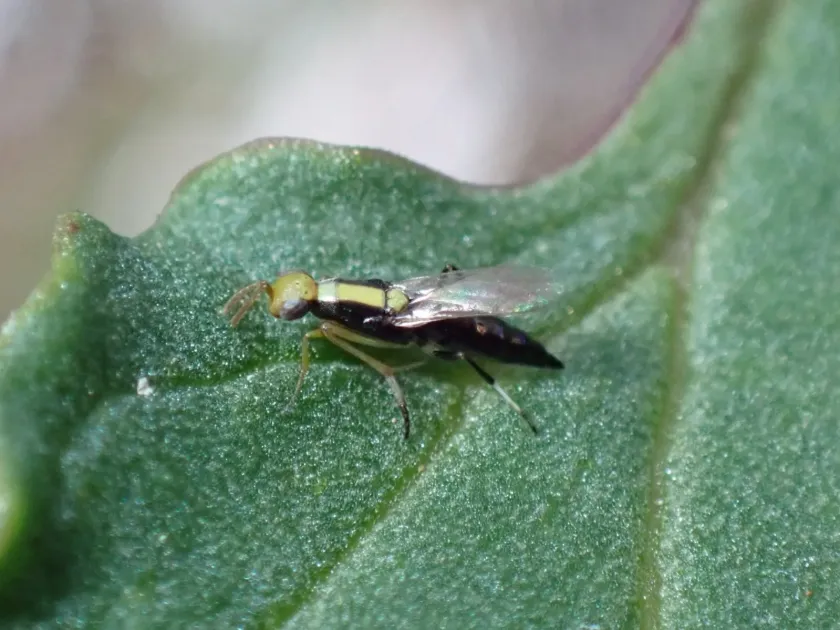
Description
How to identify
Neanastatus is a genus of parasitic wasps belonging to the Eupelmidae family. While many members of this group are beneficial parasitoids, certain species within this genus have adapted to feeding on plant tissues, acting as pests of agricultural crops.
Adult insects are typically very small, characterized by a metallic sheen and specific anatomical features of the thorax and legs. Due to their minute size, they are rarely observed in the field without the aid of magnification tools or specialized sticky traps.
The biology of these insects involves a complete metamorphosis. Females typically utilize a long ovipositor to penetrate plant tissues, such as seed pods or developing grains, where they deposit eggs to ensure the larvae have immediate access to food.
Larval development occurs internally, protected by the plant structure, which makes them difficult to target with conventional contact-based pest control methods. The pupal stage often occurs within the same site, providing protection from external environmental stressors.
Identifying Neanastatus to the species level is a complex task requiring expert entomological analysis of morphological traits. For general agricultural purposes, tracking the presence and damage patterns is often more practical than species identification.
What it damages
The primary economic damage caused by Neanastatus relates to their feeding on the reproductive organs of crops, particularly seeds and grains. Larvae hollow out the internal parts of the seed, rendering it nutritionally void and non-viable.
Severe infestations lead to significant yield losses in both quantity and quality. The damaged seeds are lightweight, often leading to issues during harvesting and cleaning, as they may be separated as waste or decrease the total weight of the saleable crop.
In addition to direct consumption, the feeding activity facilitates the entry of pathogens. Microscopic wounds left by the insects create pathways for fungal and bacterial infections, which can spread to healthy parts of the crop, exacerbating the damage.
The impact is most devastating in seed production fields. Even low levels of infestation can disqualify a batch from being used as certified seed, as the damage impairs germination rates and weakens the resulting seedlings.
Economic damage thresholds vary by crop and market requirements. In years with favorable weather for the pest, population density can spike, requiring proactive monitoring to prevent widespread destruction in the field.
Signs of infestation
The most visible signs of Neanastatus presence are the tiny emergence holes found on the surface of seeds or grain kernels. These holes indicate that the adult insect has already completed its development and exited the host plant.
During the harvest, farmers may notice grain or seed pods that are malformed or shriveled. When these are opened, the hollowed-out interior filled with frass and larval remains serves as definitive proof of an infestation.
Field monitoring using yellow sticky cards or sweeping nets during the flowering and seed-setting stages can reveal the presence of adult wasps. Early detection is crucial for planning any necessary intervention before damage becomes widespread.
Laboratory-based analysis is the most reliable method for detecting latent infestation. Methods such as X-ray imaging or seed incubation provide a clear picture of the percentage of seeds infested before they are planted or sold.
Secondary symptoms, such as premature drying or discoloration of specific plant parts, can also be observed. While these are not exclusive to Neanastatus, they should prompt a closer investigation into the presence of internal pests.
Control measures
Management of Neanastatus requires an integrated pest management (IPM) approach. The foundation of control lies in cultural practices that disrupt the lifecycle of the insect and reduce its ability to overwinter successfully.
Deep plowing after harvest is an effective mechanical method to bury and destroy overwintering pupae contained in plant debris. Furthermore, rotating crops prevents the buildup of specialized pest populations in a specific area.
- Use of high-quality, pest-free certified seed stock.
- Removal of wild host plants and weeds that support pest populations.
- Monitoring pest populations using traps to determine if chemical intervention is necessary.
- Applying systemic insecticides only when economic thresholds are surpassed.
- Adhering to strict post-harvest sanitation to remove residues where pests might survive.
When applying insecticides, it is essential to choose products that are effective against internal feeders while minimizing harm to beneficial insects. Timing is critical, with treatments best applied before the larvae have fully penetrated the seed tissues.
Long-term control is best achieved by maintaining high plant vigor and healthy soil conditions. When crops are grown under optimal conditions, they are better able to withstand minor insect pressures without significant loss in yield.
Taxonomy
- Latin name
- Neanastatus
- Order
- Hymenoptera
- Family
- Eupelmidae
- EPPO code
- NEANSP
Discussion
No discussions yet — be the first.