
Tetrastichus diplosis
Tetrastichus diplosis
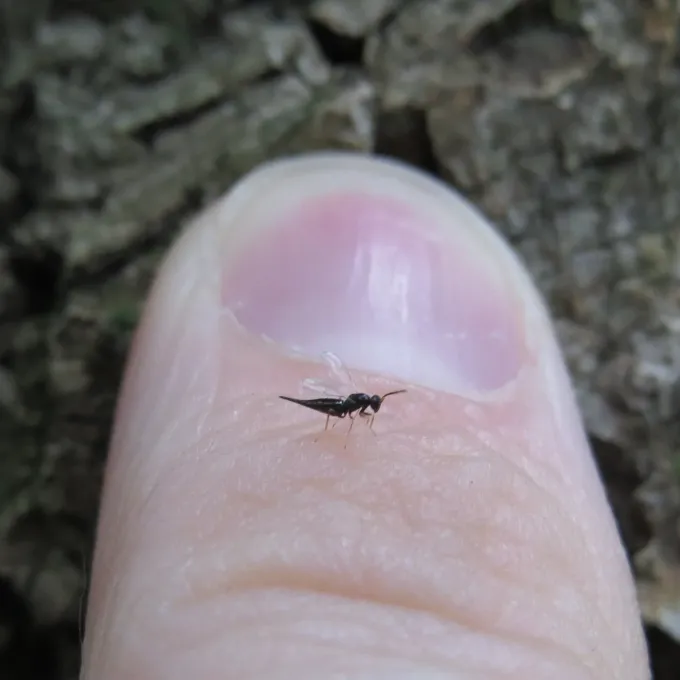
Description
How to identify
Tetrastichus diplosis is a member of the Hymenoptera order and the Eulophidae family. These tiny parasitic wasps are known for their complex interaction with various plant hosts and other insect species, often acting as a significant factor in cereal agro-ecosystems.
Adult insects are extremely small and possess the metallic coloration typical of their family. Identifying them in the field requires specialized entomological knowledge and the use of sampling tools such as sweep nets or yellow sticky traps.
The life cycle encompasses four stages: egg, larva, pupa, and adult. The development speed is heavily influenced by ambient temperatures, with warmer seasons leading to multiple generations per year in favorable conditions.
These wasps often target the larvae of gall midges that live within cereal stems. Their presence is frequently associated with existing damage caused by other pests, making it difficult to distinguish their role without laboratory analysis.
Overwintering typically occurs as mature larvae or pupae tucked away inside plant debris or the soil, allowing the species to survive harsh winter climates and emerge promptly in the spring.
What it damages
The primary concern regarding Tetrastichus diplosis is its association with damage to cereal crops like wheat and barley. While often described as a parasitoid, its impact on the plant tissue can weaken the stems significantly.
Infestation usually manifests as distorted or weakened stem growth. This disruption interferes with the plant's ability to transport nutrients and water to the head, often leading to reduced grain filling and overall lower quality.
The mechanical damage caused during the larval feeding stage creates entry points for fungal pathogens. Secondary infections often prove more damaging than the initial insect presence, leading to crop patches dying off.
Yield loss is most severe when infestations align with the early growth stages of the crop. When population density hits high levels, the cumulative effect on the field can result in significant economic losses for farmers.
Monitoring for signs of damage involves inspecting stalks for signs of galling or irregular growth patterns. Consistent field scouting is essential to identify these issues before they spread across the entire acreage.
Control measures
Integrated Pest Management (IPM) is the most effective approach for handling Tetrastichus diplosis. Crop rotation remains a fundamental practice to disrupt the life cycle of the pest by removing the host source.
Post-harvest agricultural practices, particularly deep ploughing, are highly effective. Burying plant stubble limits the chances of the next generation surviving the winter and emerging in the following season.
Chemical control should be employed selectively. Using broad-spectrum insecticides can eliminate beneficial insects that help naturally regulate the population, so targeted applications are always preferred over mass spraying.
Field sanitation is a vital component of control. Removing wild grasses and weeds surrounding the fields prevents the buildup of the pest population on non-crop hosts, which often serve as a reservoir for migration.
Regular monitoring through agricultural reports and local traps helps in predicting potential outbreaks. Early detection allows for timely interventions, minimizing the need for heavy pesticide use and preserving harvest quality.
Taxonomy
- Latin name
- Tetrastichus diplosis
- Order
- Hymenoptera
- Family
- Eulophidae
- EPPO code
- TETSDI
Discussion
No discussions yet — be the first.