
Asparagus tetrastichus
Tetrastichus asparagi
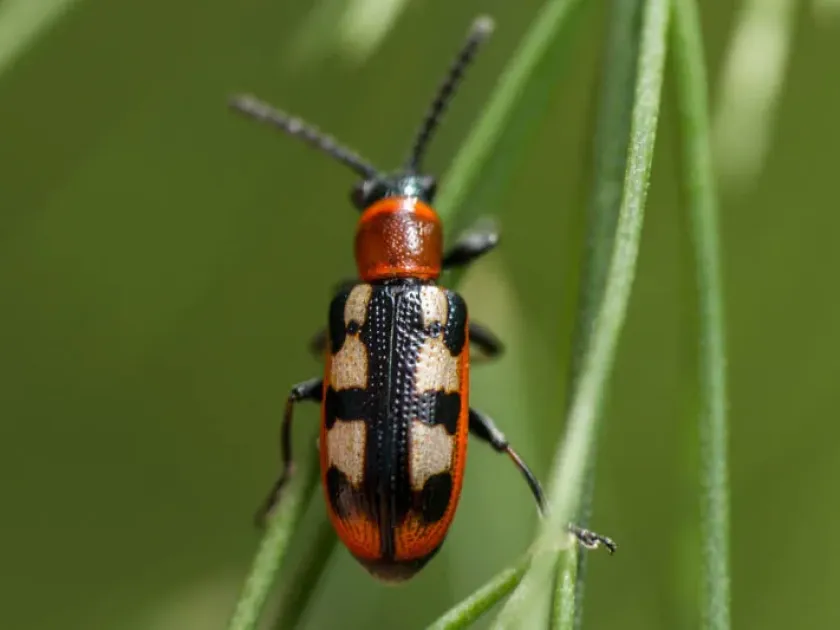
Description
How to identify
Tetrastichus asparagi is a species of hymenopteran wasp belonging to the family Eulophidae. It is widely recognized in agricultural research as a parasitoid that plays a crucial role in regulating the populations of the asparagus beetle.
The adult wasps are very small, typically measuring between 2 and 3 millimeters in length. They are characterized by a dark, often metallic-colored body, which allows them to blend into the foliage of their host plants.
The larvae develop as endoparasitoids inside the eggs or pupae of their host. This life cycle is highly specialized, making the wasp an efficient biological control agent in asparagus production systems.
Identifying these wasps in the field is challenging due to their minute size and similarity to other beneficial parasitoid species found in the same habitat.
Professional identification often requires laboratory equipment, such as stereomicroscopes, to observe the specific morphological features that distinguish Tetrastichus asparagi from other eulophids.
What it damages
Unlike herbivorous insects, Tetrastichus asparagi does not directly damage the asparagus plant by consuming its foliage or roots. Instead, it provides a beneficial ecosystem service by parasitizing harmful asparagus beetles.
The damage to the crop is primarily caused by the asparagus beetle, not the wasp. The wasp’s presence is usually a sign that the ecosystem is working to mitigate pest pressure naturally.
However, the total damage to the crop can be significant if the beetle population exceeds the capacity of the wasp population to suppress it, leading to widespread defoliation of the asparagus ferns.
The resulting stress from beetle defoliation reduces the plant's ability to store carbohydrates in the crowns, which is vital for the survival and yield of the asparagus during subsequent seasons.
Therefore, managing the crop successfully involves assessing the balance between the pest (beetle) population and the presence of the parasitoid wasp to decide if intervention is truly necessary.
When it appears
The seasonal life cycle of Tetrastichus asparagi is strictly synchronized with the emergence and egg-laying period of the asparagus beetle during the spring and early summer.
As temperatures rise, the overwintering generation of wasps emerges to locate host eggs. Multiple generations may occur throughout the growing season, providing continuous suppression of the pest.
During the peak of the summer, when beetle egg-laying is most intense, the activity of these parasitoid wasps is at its highest, as they have abundant hosts available for larval development.
As autumn approaches and temperatures drop, the adult wasps enter a period of dormancy, seeking shelter in the soil or within debris to survive the winter months.
Understanding this temporal synchronization is essential for farmers who wish to implement conservation biological control strategies to protect their asparagus crops.
Signs of infestation
One of the primary signs of the wasp's presence is the visual state of the host's egg clusters. Parasitized eggs often turn dark, shriveled, or change color compared to healthy eggs.
Fields with a healthy population of Tetrastichus asparagi will show a higher frequency of collapsed or discolored egg masses on the fern foliage.
Observing adult wasps flying near the asparagus plants during the egg-laying period of the asparagus beetle is a strong indicator of successful colonization.
A reduced incidence of larval feeding damage on the ferns, despite the presence of adult beetles, suggests that parasitoids are effectively keeping the beetle population in check.
Regular field scouting for these subtle signs can help agronomists determine whether additional pest control measures are required or if the biological agents are doing their job.
Control measures
Integrated Pest Management (IPM) is the most effective approach for managing asparagus fields while preserving the beneficial population of Tetrastichus asparagi.
The use of broad-spectrum insecticides is highly discouraged, as these chemicals will kill both the pests and the parasitoids, often leading to a resurgence of the pest population.
Farmers are encouraged to prioritize selective biological control methods, such as using entomopathogenic fungi or botanical insecticides, which are less harmful to beneficial insects.
Cultural practices, such as maintaining healthy soil conditions and avoiding excessive clearing of vegetative buffers, provide necessary refuge and overwintering sites for the wasps.
- Minimize the use of non-selective chemical sprays.
- Conduct regular monitoring of host egg clusters for parasitism.
- Support beneficial insect populations with flowering borders.
- Adopt sustainable farming practices to maintain ecological health.
Taxonomy
- Latin name
- Tetrastichus asparagi
- Order
- Hymenoptera
- Family
- Eulophidae
- EPPO code
- TETSAS
Discussion
No discussions yet — be the first.