
Selitrichodes globulus
Selitrichodes globulus
Description
How to identify
Selitrichodes globulus is a minute parasitic wasp belonging to the family Eulophidae, known for its ability to cause gall formation on eucalyptus trees.
These insects are extremely small, making them difficult to detect without high-magnification equipment, especially during the early stages of infestation.
The adult wasp has a characteristic body structure typical of the family, but is rarely observed in the field due to its short lifespan and size.
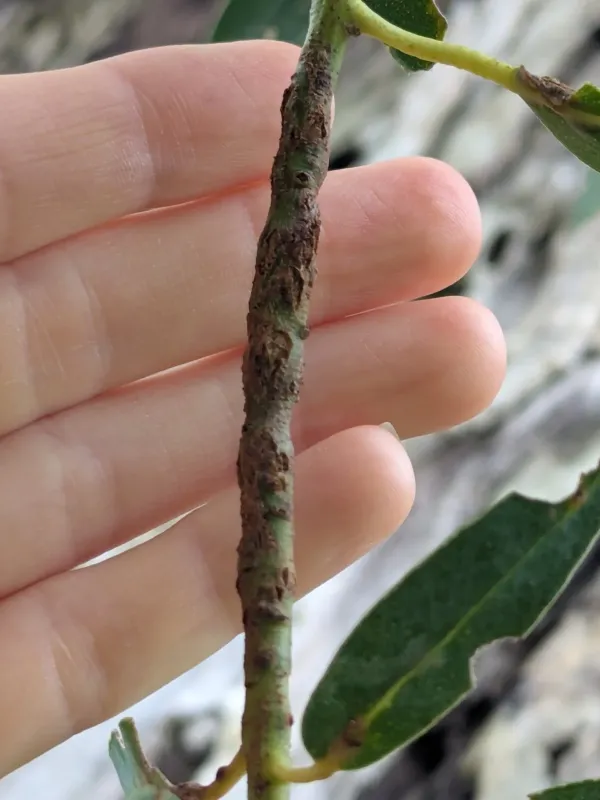
The primary way to identify the presence of this insect is through the distinct symptoms it causes on the host plants rather than sighting the insect itself.
Research indicates that it is an invasive species in several countries, posing a consistent challenge for eucalyptus forestry and ornamental plant management.
What it damages
The host range of Selitrichodes globulus is primarily focused on specific species of the genus Eucalyptus, which it utilizes for development.
The insect induces the formation of galls on leaves and succulent stems, effectively draining nutrients from the tree to support its developing larvae.
In nursery settings, high infestation rates can cause severe growth retardation, branch dieback, and even the mortality of young seedlings.
The damage to the photosynthetic tissue limits the tree's ability to produce energy, significantly reducing the overall productivity of the plantation.
Severe infestations often result in reduced crown density, leaving the trees vulnerable to secondary pest attacks and environmental stressors.
Signs of infestation
The most diagnostic sign of an infestation is the appearance of spherical or globular galls on the leaves of the host eucalyptus trees.
These galls start as small bumps and expand as the larvae grow, often causing the host tissue to change color or become necrotic around the site.
Leaves frequently become distorted, twisted, and undergo premature abscission, which leads to thinning of the canopy and visible aesthetic damage.
Upon closer examination, tiny exit holes can be seen on the mature galls, indicating that the adult wasps have emerged and are ready to mate.
Widespread yellowing and stunted growth of shoots are reliable indicators that the population of the pest is reaching critical levels in the area.
Control measures
Management of Selitrichodes globulus is complex due to the protective nature of the galls, which shield larvae from many traditional chemical sprays.
Cultural control, such as the pruning and destruction of infested plant material, is recommended to reduce the localized inoculum of the pest.
Systemic insecticides are the most effective chemical option, as they are absorbed by the plant and target the larvae feeding within the gall tissue.
Biological control programs, utilizing specialized parasitoids, offer a promising long-term solution by establishing natural mortality factors in the field.
- Implementation of regular monitoring using pheromone or sticky traps.
- Application of systemic pesticides during peak adult flight periods.
- Quarantine protocols for the movement of nursery stock to prevent spread.
Taxonomy
- Latin name
- Selitrichodes globulus
- Order
- Hymenoptera
- Family
- Eulophidae
- EPPO code
- SELIGL
Discussion
No discussions yet — be the first.