
Quadrastichus
Quadrastichus
Description
How to identify
The genus Quadrastichus belongs to the order Hymenoptera and the family Eulophidae. These are tiny parasitic wasps that can sometimes act as pests depending on the specific host interactions.
Adult insects are extremely small, often reaching only 1–2 millimeters in length. They are characterized by a compact body structure and are typically difficult to identify in the field without laboratory tools.
The life cycle consists of complete metamorphosis. Females often lay eggs inside the leaf tissue or inside other insect larvae, depending on the niche the specific species occupies.
They are capable of completing several generations during a single growing season. Temperature and moisture levels significantly influence the speed of their development and reproduction rates.
Understanding their taxonomy is complex because the genus includes both beneficial parasitoids and species that cause gall formation or damage to ornamental plants.
What it damages
Certain species within the Quadrastichus genus are known to infest broad-leaved trees, most notably the horse chestnut. They create distinct patterns of damage on the foliage.
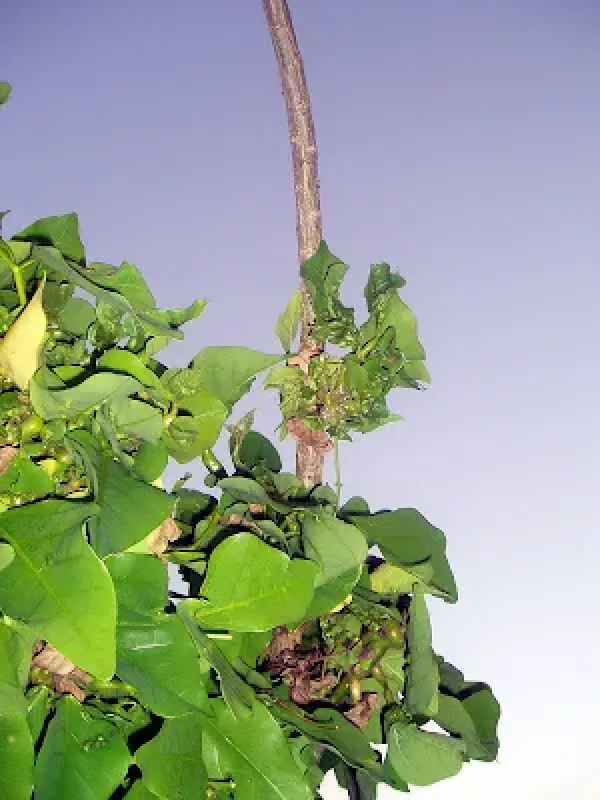
Infestation typically manifests as abnormal growth, swelling, or the formation of galls on the leaf blades. These lesions disrupt the normal metabolic processes of the host plant.
Severe infestations lead to the browning and necrosis of leaf tissue. As the leaves dry out and fall prematurely, the tree experiences significant physiological stress.
Reduced photosynthetic activity means the tree struggles to store enough carbohydrates for the winter. Over several seasons, this leads to a noticeable decline in the health and growth of the host tree.
The cumulative damage makes affected trees susceptible to secondary pathogens, such as fungi or wood-boring insects, further endangering the long-term survival of the plantation.
Control measures
Managing populations of this pest requires a strategic approach. Chemical applications should be avoided during the peak activity of beneficial insects to maintain natural control.
Cultural control practices, such as the removal and destruction of fallen leaves, are highly effective. This interrupts the life cycle of the overwintering generation significantly.
Maintaining the overall vigor of the trees is essential. Regular irrigation and proper nutrient management help the trees recover more effectively from pest-related damage.
Monitoring using sticky traps helps arborists determine the flight period of adults. This allows for precise timing if targeted biological treatments are deemed necessary.
Integrated Pest Management (IPM) protocols are recommended to ensure long-term health in urban landscapes and parks. Promoting biodiversity helps keep the population of Quadrastichus in balance.
Taxonomy
- Latin name
- Quadrastichus
- Order
- Hymenoptera
- Family
- Eulophidae
- EPPO code
- QUSTSP
Discussion
No discussions yet — be the first.