
Pnigalio soemius
Pnigalio soemius
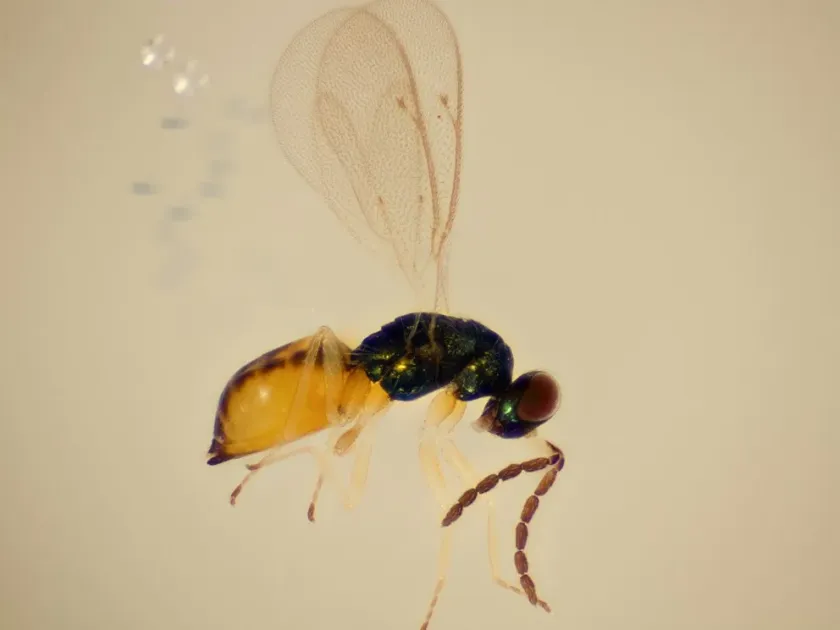
Description
How to identify
Pnigalio soemius is a member of the Eulophidae family within the order Hymenoptera. These insects are small wasps that, while often known in biological circles for their parasitic behavior, can pose significant challenges when they adopt leaf-mining habits on agricultural crops.
Identification typically requires expert entomological analysis, focusing on wing venation patterns and specific sclerotized features of the body to distinguish them from related beneficial species.
The systematic status of this species is of particular interest to researchers, as the Pnigalio genus encompasses both pests that damage leaf tissue and beneficial parasitoids that prey on other insects.
The larval stage is characterized by a legless, flattened body designed specifically for mining within the plant mesophyll, making them elusive without specific inspection.
Adult specimens are small and dark, often metallic in luster, requiring high-resolution equipment or specialized field traps for accurate detection during population monitoring.
What it damages
This pest causes direct damage by burrowing into the leaves of various plants, including vegetables and commercial crops, creating extensive galleries inside the tissue.
By consuming the parenchyma, the larvae disrupt the photosynthetic process of the plant, leading to reduced energy production and stunted development of the affected individual.
The damage often results in chlorosis, where the affected leaf sections lose their green color and become thin, dry, and brittle, significantly reducing the crop's vitality.
Economic losses are associated with both the loss of leaf surface area and the increased vulnerability of weakened plants to secondary infections like fungal diseases.
In cases of severe infestation, the photosynthetic efficiency of the plant canopy drops drastically, which can lead to fruit shedding or failure of seed maturation.
When it appears
The lifecycle of the pest is heavily influenced by seasonal temperature cycles, with most activity occurring during the peak of the growing season when conditions are warm.
Overwintering typically takes place in the soil or in leaf litter, where pupae remain protected until the onset of favorable spring temperatures triggers adult emergence.
Multiple generations can occur within a single year, allowing the population to build up rapidly if conditions remain optimal for development and mating.
The highest population densities are typically observed in mid-to-late summer, coinciding with the flowering and fruit-setting stages of major host plants.
Fluctuations in humidity and precipitation can impact the mortality rates of the larval stages, thereby regulating the intensity of damage observed in the field.
Signs of infestation
The primary symptom of an infestation is the appearance of winding, serpentine galleries or "mines" on the upper surface of leaves, which are easily visible upon close examination.
Small, circular emergence holes on the leaf surface indicate that the larvae have completed their development and the adult insects have departed.
Heavily mined leaves often show signs of necrosis, as the dead tissue from the galleries expands and covers larger portions of the leaf blade over time.
A reduction in overall plant vigor and signs of premature yellowing are common indicators that the foliage has been heavily mined by the pest.
Under magnification, the presence of black frass pellets left by the larvae within the mine tunnels serves as a definitive confirmation of the pest's activity.
Control measures
Integrated Pest Management (IPM) strategies for Pnigalio soemius rely on the application of systemic insecticides that are effective against larvae sheltered within leaf tissues.
Cultural practices, such as the removal and destruction of crop residues post-harvest, are essential for reducing the local population for the next growing season.
Maintaining a healthy perimeter and controlling weeds within the field serves to minimize potential host reservoirs and reduces initial infestation pressure.
Encouraging natural predators and conservation biological control can help keep the pest population below economic thresholds without relying solely on chemical treatments.
- Placement of pheromone-baited traps for population monitoring.
- Use of neem-based oils or other biorational pesticides.
- Crop rotation to break the pest's cycle of recurrence.
Taxonomy
- Latin name
- Pnigalio soemius
- Order
- Hymenoptera
- Family
- Eulophidae
- EPPO code
- PNIGSO
Discussion
No discussions yet — be the first.