
Pnigalio mediterraneus
Pnigalio mediterraneus
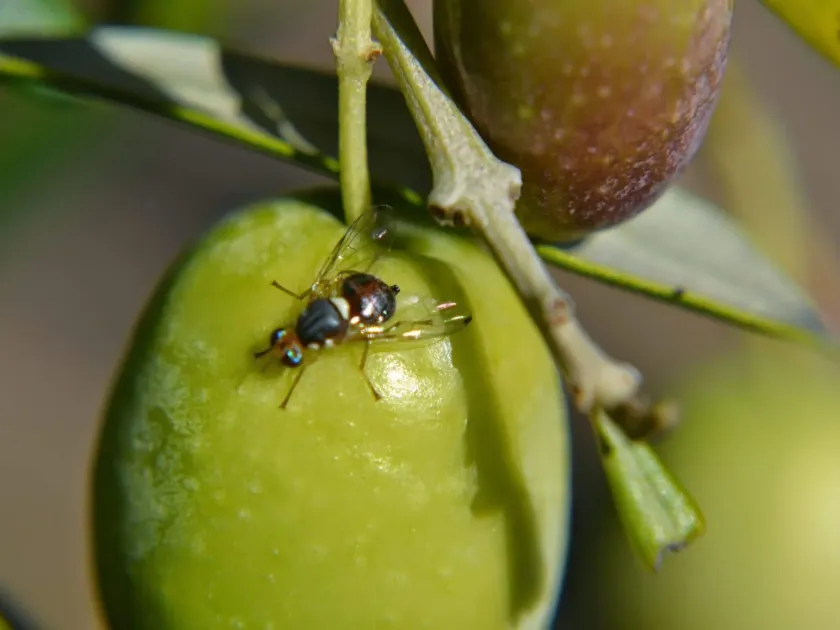
Description
How to identify
Pnigalio mediterraneus is a species of parasitic wasp belonging to the family Eulophidae. It is widely recognized in agronomy as a beneficial insect rather than a crop pest.
The adult wasps are very small, often exhibiting a metallic coloration typical of their family. They are specialized parasitoids that actively hunt for larvae hidden inside plant tissues.
The life cycle of this wasp is closely linked to its hosts, primarily leaf-mining insects. The female wasp locates the tunnels made by larvae, injects an egg, and the developing larva consumes the pest from the outside or within the mine.
These wasps are highly mobile and capable of searching large areas of crops to find host populations, making them essential natural regulators in many agroecosystems.
Understanding their morphology and life cycle is crucial for farmers who wish to implement integrated pest management (IPM) strategies to protect their yields.
What it damages
Pnigalio mediterraneus does not cause direct damage to agricultural crops. In fact, its presence is a sign of a functioning ecosystem where pests are being managed naturally.
Its primary targets are the larvae of leafmining flies (e.g., Liriomyza species), which can significantly reduce plant health by consuming photosynthetic tissue.
Farmers sometimes mistakenly identify the activity of this parasitoid as harmful, but the damage to leaves is caused by the leafminer larvae, not the wasp itself.
Indiscriminate use of broad-spectrum pesticides often leads to the destruction of these beneficial parasitoids, which results in secondary pest outbreaks.
By protecting Pnigalio mediterraneus, farmers reduce the need for chemical intervention, as this insect keeps leafminer populations below economic injury levels.
Signs of infestation
Signs of Pnigalio mediterraneus activity are primarily detected by observing the cessation of leafminer tunnels. When the parasitoid is active, the expansion of leaf mines slows down or stops entirely.
Close observation of the leaf surface, ideally with a magnifying lens, can reveal the presence of the small wasps as they move along the leaves searching for mines.
In greenhouse settings, yellow sticky traps can be used to monitor the presence of these wasps, helping agronomists assess the level of biological control in the facility.
Examining the leaf mines for dead or paralyzed leafminer larvae confirms the successful action of the parasitoid within the crop canopy.
Visible signs of successful parasitism also include the absence of emerging adult leafminers, as the parasitoid larva has successfully completed its development at the expense of the host.
Control measures
No control measures are needed against Pnigalio mediterraneus. Instead, the focus should be on conservation and habitat management to support its population.
The main strategy is to minimize the use of non-selective insecticides. Selecting biorational and selective pesticides is key to maintaining the population of this beneficial species.
Implementing integrated pest management (IPM) practices allows the parasitoid to exert maximum pressure on pest populations, ensuring long-term crop protection.
Creating refuges and maintaining field margins with flowering plants can provide necessary resources for adult wasps, boosting their efficiency as biological agents.
Consistent monitoring of pest populations and the presence of natural enemies is recommended to ensure that chemical applications are only used as a last resort.
Taxonomy
- Latin name
- Pnigalio mediterraneus
- Order
- Hymenoptera
- Family
- Eulophidae
- EPPO code
- PNIGME
Discussion
No discussions yet — be the first.