
Pediobius
Pediobius saulius
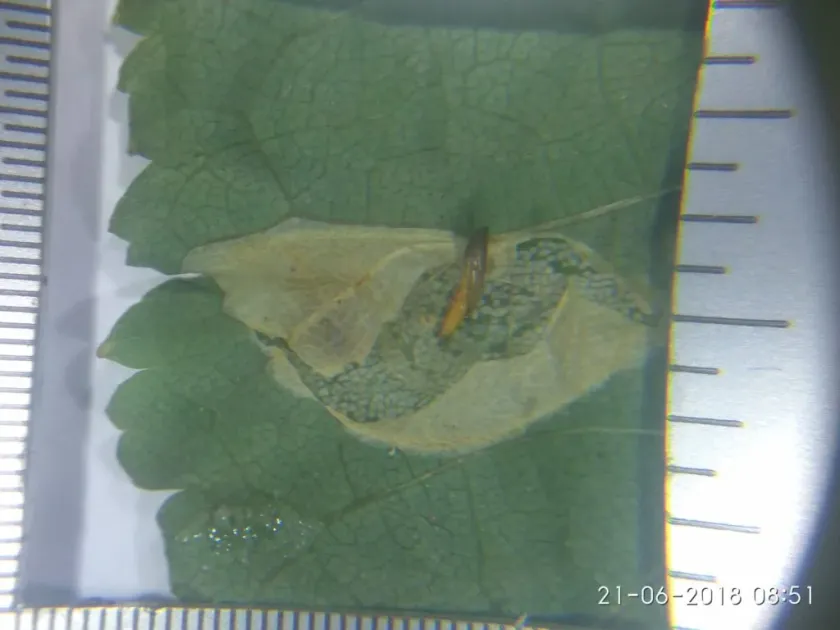
Description
How to identify
Pediobius saulius belongs to the order Hymenoptera, specifically the family Eulophidae. These are tiny insects, often less than 2 mm in length.
The adults are typically dark in color, sometimes displaying a metallic or iridescent sheen. Due to their minute size, they are rarely observed without the aid of magnification.
Pediobius is categorized as a parasitoid wasp. These insects have evolved highly specific reproductive strategies, targeting other insect species to host their offspring.
They possess specialized morphological features for locating hosts, including sensitive antennae that detect the chemical signals of their insect prey.
Unlike pests, they do not feed on plant tissue, making them valuable allies in agricultural production rather than threats to crops.
What it damages
From an agronomic perspective, Pediobius saulius is not a pest. It does not consume leaves, stems, roots, or fruits of cultivated plants.
Instead, it acts as a biological control agent by parasitizing the larvae of leaf-mining insects and other agricultural pests.
By preying on these harmful insects, Pediobius reduces the damage inflicted on crops, effectively acting as an unpaid laborer for the farmer.
Therefore, their presence in the field should be encouraged rather than managed through chemical intervention.
Agro-ecosystems that support healthy populations of parasitoids show significantly lower levels of pest infestation throughout the growing season.
When it appears
The seasonal activity of Pediobius is closely synchronized with the life cycle of its insect hosts. Adults emerge from overwintering sites in early spring.
As the temperature rises and the first generation of leaf-mining larvae emerges, the wasps begin their search for hosts to lay eggs.
Multiple generations occur throughout the summer, allowing the species to maintain a constant pressure on pest populations during the peak crop growth period.
The population density usually peaks in mid-summer, coinciding with the highest activity of common garden and agricultural pests.
Overwintering occurs in the pupal stage, often remaining within the carcasses of their previous hosts, sheltered from environmental stress.
Signs of infestation
There are no signs of "damage" caused by Pediobius saulius, as they do not attack plants. If plants show signs of distress, it is always caused by other organisms.
Evidence of their activity is subtle; it may manifest as the cessation of mine expansion on leaves, indicating that the host larva has been killed by the wasp.
Close inspection under a microscope might reveal emergence holes in the puparia of pests, signifying that a new generation of Pediobius has successfully developed.
The absence of adult pests where larvae were previously present is a positive indicator that biological control is functioning effectively.
Farmers should look for these beneficial insects as a sign of a robust and balanced ecosystem within their greenhouse or field operations.
Control measures
No control measures are needed for Pediobius saulius. In fact, attempting to eradicate them would be counter-productive to long-term crop health.
Integrated Pest Management (IPM) strategies emphasize the protection of such parasitoids by avoiding the use of broad-spectrum insecticides.
If chemical treatment for other pests is strictly necessary, choose selective products that have minimal impact on Hymenopteran parasitoids.
Providing nectar-rich flower strips around the field creates a favorable environment for adult wasps, increasing their lifespan and reproductive success.
- Avoid non-selective insecticide use.
- Preserve natural habitats for beneficial species.
- Implement IPM to monitor host-parasitoid dynamics.
- Promote biodiversity in the agricultural landscape.
Taxonomy
- Latin name
- Pediobius saulius
- Order
- Hymenoptera
- Family
- Eulophidae
- EPPO code
- PEDBSA
Discussion
No discussions yet — be the first.