
Horismenus
Horismenus
Description
How to identify
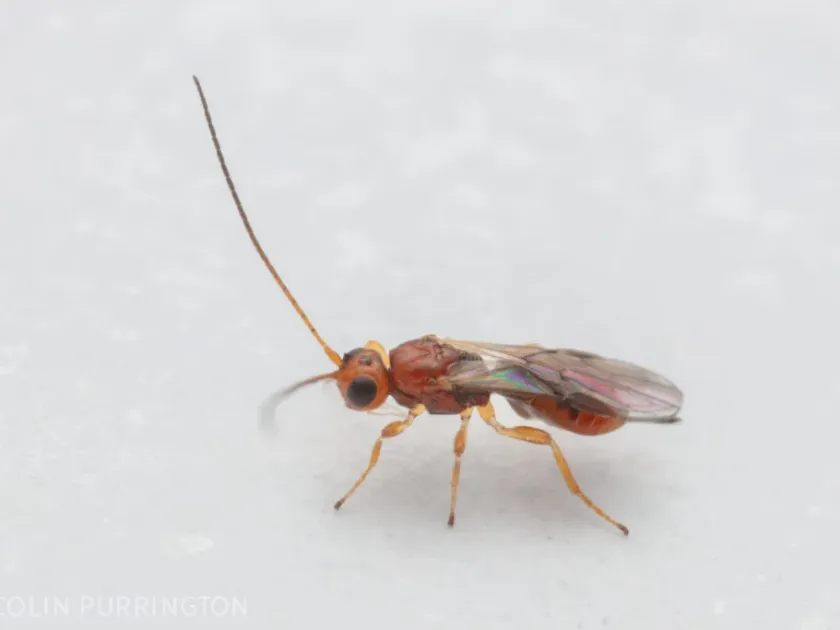
Horismenus is a genus of parasitic wasps belonging to the Eulophidae family within the Hymenoptera order. They are recognized for their complex roles as parasitoids and, in many cases, hyperparasites.
These wasps are typically microscopic in size, often possessing a distinct metallic body color. Identification generally requires laboratory magnification and specialized diagnostic keys.
The biology of this genus is characterized by a holometabolous life cycle, including egg, larval, pupal, and adult stages. They are highly efficient at locating their hosts within various environments.
As hyperparasites, they target other parasitic wasps, which can disrupt natural biological control systems in agricultural settings. This makes them a sensitive subject in modern agronomical research.
Their developmental speed is highly dependent on ambient temperature, allowing multiple generations to emerge rapidly during the peak of the growing season.
What it damages
The primary damage caused by Horismenus is indirect. By parasitizing primary beneficial wasps, they prevent the biological control of major crop pests such as leafminers and lepidopterans.
They impact a variety of crops, including grain, vegetables, and ornamental plants, particularly in greenhouse environments where biological control agents are actively deployed.
Increased primary pest populations are the main economic consequence. This leads to heavy foliage damage, reduced photosynthesis, and potential crop yield losses if not addressed.
In greenhouses, their presence can trigger a collapse of biological pest management programs, necessitating a rapid shift in cultivation practices to mitigate economic damage.
The cumulative effect is a decrease in overall crop quality, which often necessitates intervention that might further disrupt the local ecosystem if managed incorrectly.
Signs of infestation
A key indicator of Horismenus activity is the unexpected failure of primary parasitoids to control their target pest populations in fields or greenhouses.
Microscopic inspection of host pupae may reveal characteristic exit holes. These indicate that a secondary parasite, such as a Horismenus species, has completed its development.
Yellow sticky traps frequently capture these small wasps, acting as a monitoring tool, although confirmation of the species requires expert entomological examination.
Widespread foliage damage consistent with unchecked mining activity is a strong visual sign that the natural control mechanism has been compromised by hyperparasitism.
Sudden surges in pest density, despite the documented presence of primary parasitoids, suggest an imbalance likely caused by the interference of secondary parasitic species.
Control measures
Effective management requires an integrated approach. The most critical step is to avoid non-selective broad-spectrum insecticides that further deplete beneficial insect populations.
Continuous monitoring of the parasitoid complex is essential. If hyperparasitism is detected, producers should pause or adjust the release schedule of beneficial insects.
Cultural practices, such as rigorous sanitation and the destruction of crop debris, help reduce overwintering sites, limiting the population density of the pest for the following cycle.
Utilizing selective biological agents that target specific pests while minimizing harm to primary parasitoids is recommended for long-term ecological stability.
Implementing crop rotation and barrier management strategies assists in preventing the establishment of localized Horismenus populations in intensive cultivation systems.
Taxonomy
- Latin name
- Horismenus
- Order
- Hymenoptera
- Family
- Eulophidae
- EPPO code
- HORSSP
Discussion
No discussions yet — be the first.