
Eulophus pectinicornis
Eulophus pectinicornis
Description
How to identify
Eulophus pectinicornis is a species of parasitic wasp belonging to the family Eulophidae within the order Hymenoptera. They are tiny insects, usually measuring between 2 to 3 millimeters in length.
The name of the species is derived from the male's distinct comb-like antennae, which serve as the primary diagnostic feature for identification under a microscope.
Their bodies are typically dark, often exhibiting a metallic or iridescent sheen, which helps them camouflage effectively while moving across plant foliage.
As parasitoids, their entire life cycle is focused on finding specific host insects to deposit their eggs upon, ensuring the survival of their offspring.
Due to their minute size, these insects are rarely noticed by casual observers and require specialist entomological identification to distinguish them from other closely related species.
What it damages
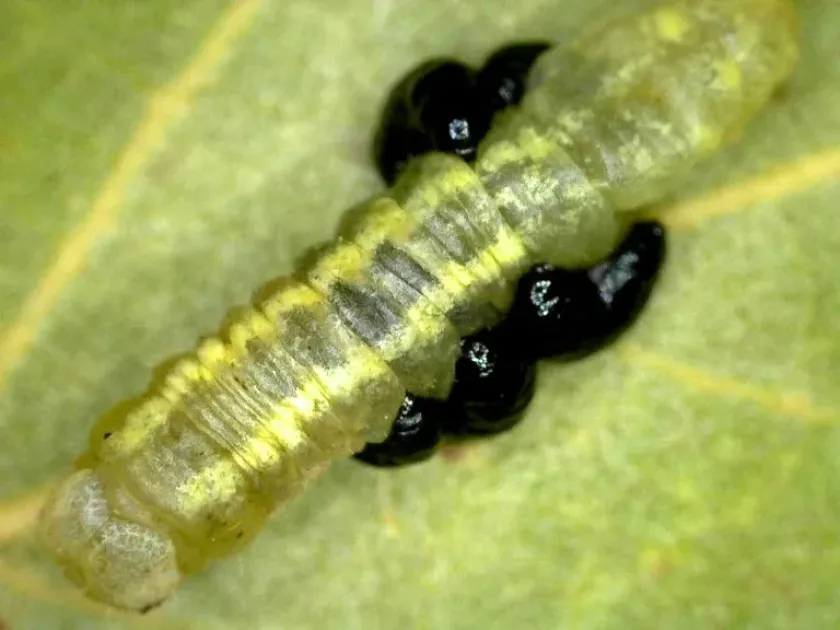
Eulophus pectinicornis acts as an ectoparasitoid, meaning its larvae feed on the exterior of the host's body, which usually consists of various lepidopteran caterpillars.
By preying on caterpillars that damage vegetable crops and orchards, these wasps provide a significant ecological service by reducing pest populations naturally.
There is no direct damage to plant tissues caused by these wasps; they do not consume leaves, fruits, or stems, making them strictly beneficial to agricultural systems.
While they are considered beneficial, they are classified as enemies of caterpillars, some of which may be considered pests in industrial farming environments.
In cases where the host population is low, the wasp density naturally declines, maintaining a stable biological balance within the agricultural ecosystem.
When it appears
Adults are typically active during the growing season, appearing in late spring when temperatures become consistently warm and caterpillars begin to emerge.
The timing of their appearance is closely linked to the phenology of their primary hosts, ensuring that larvae have an immediate food supply upon hatching.
Multiple generations can occur throughout the summer months, allowing the population to expand rapidly if hosts are abundant in the field or garden.
These wasps are highly mobile and can quickly colonize new areas if there is a detected presence of suitable host larvae on the host plants.
Overwintering usually takes place in the pupal stage, hidden within debris or the remains of the host, allowing them to survive the cold winter months successfully.
Signs of infestation
A primary indicator of their presence is the observation of moribund or dead caterpillars attached to the leaves, often covered in small, developing parasitoid larvae.
Observing adult wasps actively patrolling the undersides of leaves or flowers can indicate that a population is present and searching for new hosts.
The lack of characteristic bite marks on leaves, despite the presence of caterpillars, can suggest that biological control agents are actively suppressing the pest population.
Affected caterpillar remains often darken, shrink, or become mummified, which is a clear diagnostic sign of successful parasitism by the wasp.
In some instances, small exit holes in the dried remains of the caterpillars indicate that the adult wasps have emerged successfully to start the next generation.
Control measures
As Eulophus pectinicornis is a beneficial parasitoid, no control measures are required; in fact, steps should be taken to promote their population.
The most effective strategy to support these wasps is to minimize the use of broad-spectrum synthetic insecticides, which often kill beneficial insects along with pests.
Planting flowering nectar-producing plants near agricultural zones provides food for adult wasps, increasing their lifespan and reproductive success.
Adopting Integrated Pest Management (IPM) practices helps balance the need for crop protection with the preservation of natural ecosystem service providers like this wasp.
If chemical intervention is absolutely necessary, targeting specific pest outbreaks with selective pesticides or biorationals is preferred to protect the natural predator population.
Taxonomy
- Latin name
- Eulophus pectinicornis
- Order
- Hymenoptera
- Family
- Eulophidae
- EPPO code
- EULPPE
Discussion
No discussions yet — be the first.