
Epichrysocharis burwelli
Epichrysocharis burwelli
Description
How to identify
Epichrysocharis burwelli is a minute parasitic wasp belonging to the family Eulophidae. These insects are known for their atypical behavior of forming galls on plant tissues, a departure from the typical parasitoid lifestyle of their relatives.
The adult wasps are microscopic and rarely seen in the field without specialized equipment. Their identification usually relies on morphological analysis of the galls they produce on their host plants.
Taxonomically, they are classified within the order Hymenoptera. Their adaptation to a phytophagous life cycle has allowed them to become significant pests in eucalyptus plantations worldwide.
The species has spread to several regions, often facilitated by the international trade of ornamental eucalyptus plants. Its invasive potential makes it a subject of interest for plant quarantine services.
Understanding the biology of this species is crucial for developing effective management strategies. Researchers study its life cycle to determine the timing of vulnerability to various control interventions.
What it damages
This pest exclusively targets Eucalyptus species, causing significant damage to the foliage. The larvae develop inside the plant tissue, inducing the formation of characteristic galls that disrupt normal leaf function.
Infested leaves show reduced photosynthetic capacity due to the structural changes caused by the gall development. This leads to a decline in the overall vigor of the host tree.
Severe infestations result in heavy leaf drop and stunted growth of young shoots. In nursery settings, this can lead to the total loss of commercial stock if left unmanaged.
The aesthetic value of trees in landscaping is severely compromised by the presence of galls and subsequent leaf chlorosis. This makes the species particularly problematic for urban forestry.
In forest plantations, the cumulative impact of Epichrysocharis burwelli can lead to significant economic losses. The reduction in growth rates directly affects timber quality and quantity.
Signs of infestation
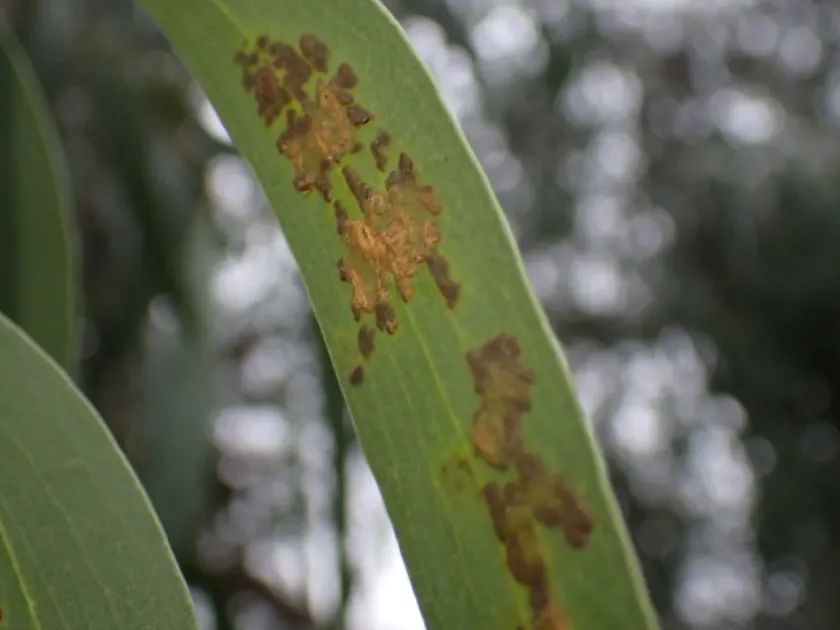
The most distinctive sign of infestation is the presence of small, raised galls on the leaf surface. These galls vary in size and color depending on the host species and the stage of development.
Chlorotic spots often appear around the sites of gall formation, indicating localized tissue stress. Leaf deformation, such as curling or twisting, is also a common indicator of an active population.
Tiny exit holes on the galls indicate that the adult wasps have emerged. This is a clear sign that a generation has completed its development within the plant tissue.
Significant leaf fall during the growing season, even in the absence of severe drought, may signal a high level of gall wasp activity. The canopy may appear sparse and unhealthy.
Secondary infections by opportunistic fungi often occur on the necrotic tissues around the galls. This gives the leaves a blighted appearance and further stresses the tree.
Control measures
Quarantine measures are the first line of defense to prevent the introduction of this pest into new areas. Strict inspection of imported eucalyptus nursery stock is essential.
In nurseries, systemic insecticides are the primary method of chemical control. These chemicals are absorbed by the plant and target the larvae developing inside the galls.
Sanitation practices, such as the pruning and immediate destruction of infested foliage, help reduce the local population density. This should be performed consistently throughout the season.
Biological control research focuses on identifying natural predators or parasitoids that can regulate the population of the gall wasp. This approach offers a sustainable long-term solution.
- Strict quarantine and inspection of plant material.
- Application of systemic insecticides during active growth phases.
- Removal and burning of heavily infested leaves and branches.
Taxonomy
- Latin name
- Epichrysocharis burwelli
- Order
- Hymenoptera
- Family
- Eulophidae
- EPPO code
- EPCRBU
Discussion
No discussions yet — be the first.