
Citrostichus
Citrostichus phyllocnistoides
Description
How to identify
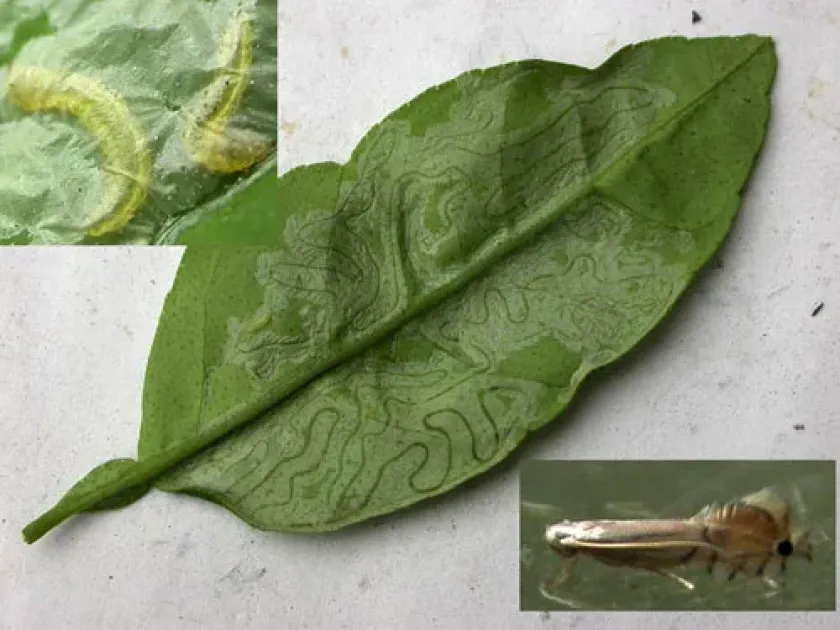
Citrostichus phyllocnistoides is a specialized endoparasitoid wasp belonging to the Eulophidae family within the order Hymenoptera. This tiny insect has evolved to locate and parasitize the larvae of leafmining moths that develop inside plant foliage.
The life cycle of this species is intricately linked to the presence of its host, the citrus leafminer. Female wasps possess a highly developed sensory system used to detect the mines, which are characteristic tunnels created by the larvae of the leafminer pest.
Once a suitable host is located, the female lays an egg inside the leafminer larva. The development proceeds through larval and pupal stages within the leaf tissue, ensuring the protection of the parasitoid's offspring while effectively terminating the pest.
Adult Citrostichus are small, often metallic or dark-colored insects. Despite their minute size, they play a crucial role in maintaining ecological balance in subtropical orchards, acting as a natural regulator of pest populations.
With multiple generations per season, this parasitoid can rapidly increase its population in response to an outbreak of citrus leafminers, providing a self-sustaining mechanism of biological control.
What it damages
Citrostichus phyllocnistoides is not a plant pest; it is a highly beneficial natural enemy of the citrus leafminer (Phyllocnistis citrella). Its primary function in the agroecosystem is the suppression of leafminer larvae.
The citrus leafminer itself causes significant damage by creating zig-zag galleries under the leaf cuticle. This activity leads to leaf curling, reduced photosynthetic capacity, and overall tree stress, making the plants more susceptible to diseases like citrus canker.
By parasitizing the larvae, Citrostichus stops the formation of these tunnels and prevents the pest from reaching adulthood. This keeps the leaf tissue intact and preserves the health of the citrus tree, which is vital for fruit production.
- Reduces larval survival rates of Phyllocnistis citrella.
- Limits the spread of structural damage to young leaves.
- Maintains the tree's vigor and photosynthetic productivity.
When populations of this parasitoid are healthy, they can significantly reduce the percentage of leaves damaged by leafminers, often keeping pest populations below economic damage thresholds.
Control measures
The most effective strategy for managing citrus leafminers while utilizing Citrostichus is the implementation of Integrated Pest Management (IPM). Avoiding non-selective, broad-spectrum insecticides is vital to prevent the destruction of beneficial parasitoid populations.
Monitoring is essential to assess the level of parasitism in the orchard. If the rate of parasitization by Citrostichus is high, chemical control measures should be avoided as they may be unnecessary and counterproductive.
Orchard managers should strive to preserve natural refugia where these wasps can shelter. Planting nectar-producing flowers around orchards provides necessary supplemental food for adult wasps, extending their lifespan and reproductive output.
If chemical intervention is unavoidable, it is recommended to use highly selective insecticides or growth regulators that have minimal toxicity to beneficial Hymenoptera species.
By understanding the biological dynamics of this wasp, growers can foster a balanced ecosystem that relies on natural predation, thereby reducing input costs and environmental footprint.
Taxonomy
- Latin name
- Citrostichus phyllocnistoides
- Order
- Hymenoptera
- Family
- Eulophidae
- EPPO code
- CITRPH
Discussion
No discussions yet — be the first.