
Chrysocharis pentheus
Chrysocharis pentheus
Description
How to identify
Chrysocharis pentheus is a species of parasitic wasp belonging to the family Eulophidae. These small insects play a vital role in natural ecosystems by keeping populations of leaf-mining flies in check.
Adult wasps are characterized by their small size and often metallic-colored bodies, which is a common diagnostic feature for many members of the Eulophidae family.
Systematically, the species falls under the order Hymenoptera. It is highly regarded in agricultural sciences as a beneficial entomophage, assisting in the ecological control of various crop pests.
The life cycle of this wasp is intricately linked to its hosts. Females search for larvae of leaf-mining flies and lay their eggs inside or near the pest larvae feeding within leaf tissues.
The larval stage of the parasitoid develops inside the host's body, effectively killing it. This parasitism is a key factor in reducing the damage caused by leafminers to vegetable crops.
What it damages
This species specifically targets larvae of Agromyzidae flies, which are known for causing significant damage to many greenhouse and open-field vegetable crops, such as tomatoes and cucumbers.
The parasitoid itself does not consume plant tissues, so it does not cause any direct damage to crops. Instead, it provides a crucial service by limiting the host population that creates leaf mines.
By effectively managing leafminer numbers, Chrysocharis pentheus helps maintain the photosynthetic capacity of the foliage, preventing premature leaf senescence and yield losses.
Their presence in an agroecosystem serves as a natural barrier against pest outbreaks, reducing the reliance on aggressive chemical intervention.
This species is highly valued in organic and integrated pest management (IPM) programs where chemical residues must be strictly minimized to meet safety standards.
When it appears
The seasonal activity of this wasp is synchronized with the phenology of its hosts. In controlled greenhouse environments, the species can remain active throughout the year as long as hosts are present.
In open-field conditions, the emergence of adults typically aligns with the onset of warmer spring weather, coinciding with the peak breeding cycles of the leaf-mining flies.
Optimal conditions for population growth occur in warm, stable climates where humidity is sufficient for the development of both the parasitoid and its host.
The presence of flowering plants nearby is essential for the survival of adult wasps, as they require nectar as a primary energy source to fuel their search for hosts.
Agricultural managers monitor these seasonal patterns to avoid applying harmful insecticides during periods when the parasitoid population is at its peak.
Signs of infestation
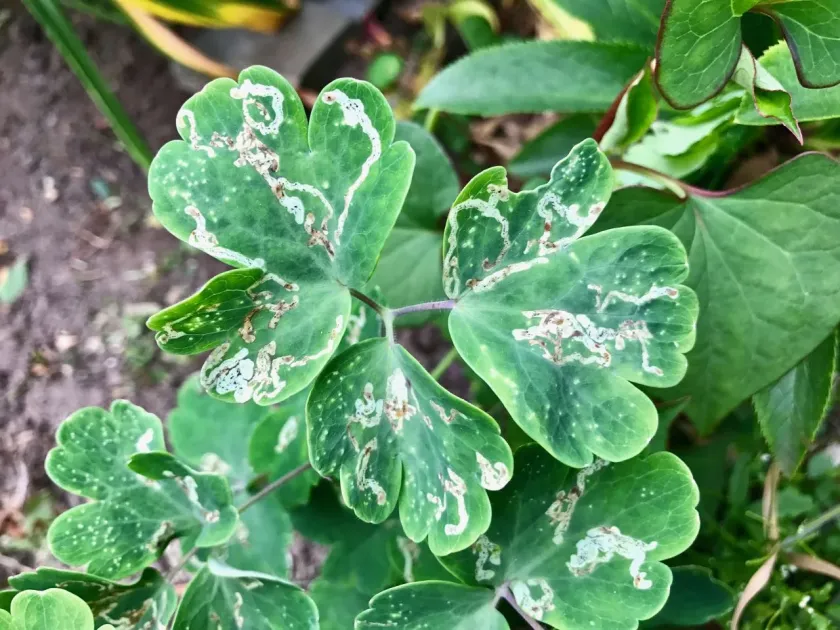
Identifying the presence of Chrysocharis pentheus usually involves examining infested leaves. One clear sign is the cessation of mine expansion, indicating that the larval host has been killed.
Careful microscopic examination of leaf mines may reveal the remains of the host larva along with the developing parasitoid pupa, confirming successful biological control.
A reduction in the number of active, feeding larvae on plants, despite a history of initial infestation, often points to the successful intervention of this parasitic wasp.
Yellow sticky traps used for monitoring can also capture adult wasps, allowing researchers to estimate the population density and effectiveness of the parasitoid in a specific area.
Regular field scouting is recommended to assess the natural parasitism rate, which helps in determining whether additional control measures are actually necessary.
Control measures
The primary strategy for protecting this beneficial wasp is the implementation of IPM, which prioritizes non-chemical or selective chemical control methods.
Broad-spectrum insecticides should be avoided, as they are toxic to beneficial parasitoids and can lead to secondary pest outbreaks by removing natural enemies.
Enhancing the local environment by maintaining field margins with nectar-rich plants provides essential food sources, supporting a stable population of this parasitoid.
When chemical control is unavoidable, choosing selective biorational pesticides is critical to ensure that the parasitoid population remains protected.
- Avoid the use of non-selective synthetic pyrethroids or organophosphates.
- Prioritize the use of biological control agents where possible.
- Preserve non-crop habitats near greenhouses to provide refuge for wasps.
- Use selective insecticides that have minimal impact on Hymenoptera.
- Conduct regular monitoring to determine if the natural control is sufficient.
Taxonomy
- Latin name
- Chrysocharis pentheus
- Order
- Hymenoptera
- Family
- Eulophidae
- EPPO code
- CHRCPE
Discussion
No discussions yet — be the first.