
Tachinaephagus
Tachinaephagus
Description
How to identify
Tachinaephagus is a genus of parasitic wasps belonging to the family Encyrtidae, order Hymenoptera. These small insects are essential components of natural biological control systems in various agricultural environments.
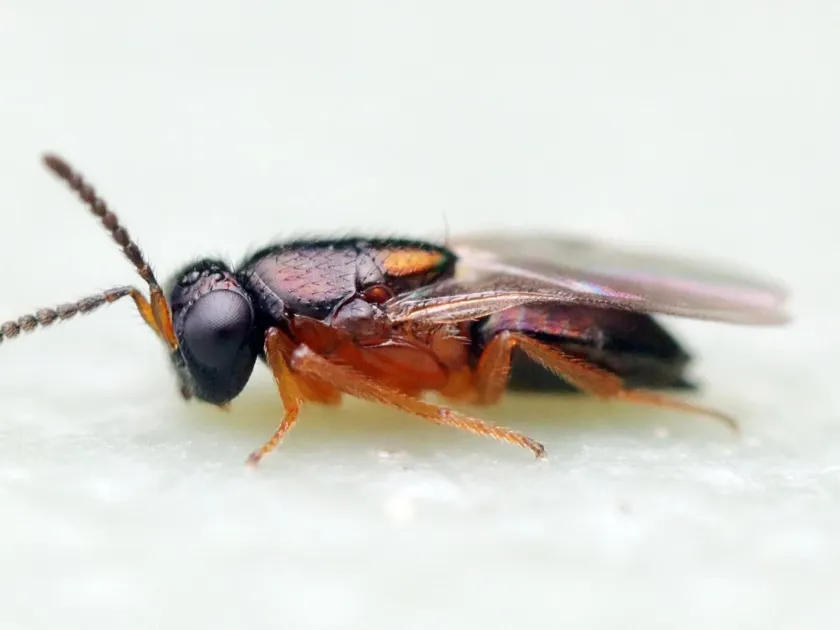
The adults are characterized by a compact, often metallic-colored body, typical of chalcid wasps. Their small size allows them to navigate leaf surfaces efficiently while searching for hosts.
The life cycle involves the female wasp laying eggs inside the larvae or pupae of host insects, primarily leafminers. The wasp larva then consumes the host from within, ultimately leading to its death.
Taxonomically, they are highly specialized, often targeting specific species within the Agromyzidae family. This makes them highly effective and targeted biological control agents.
Identifying specific species within the genus usually requires professional entomological expertise due to the subtle morphological differences between closely related taxa.
What it damages
It is crucial to clarify that Tachinaephagus is not a plant pest; it is a beneficial organism. It provides an ecological service by parasitizing dipteran leafminers (e.g., Liriomyza spp.).
Leafminers cause direct damage to crops by creating tunnels (mines) in leaves, which reduces photosynthetic capacity and causes leaf drop, significantly affecting yield.
By infecting these pests, Tachinaephagus prevents the emergence of the next generation of leafminers, thereby reducing the overall pest pressure in the field.
Farmers benefit from the presence of this wasp as it acts as a natural guardian, suppressing populations of harmful insects without the need for synthetic chemical intervention.
Preserving these beneficial wasps is a key objective of modern integrated pest management (IPM) strategies for both greenhouse and field-grown vegetables.
When it appears
The seasonal activity of Tachinaephagus is synchronized with the life cycle of its hosts. High levels of adult activity are generally observed during the warmer months when host populations increase.
In greenhouse settings, where temperature and light can be controlled, the life cycle of the wasp may persist throughout the entire year, provided that sufficient hosts are available.
Overwintering often occurs within the host puparium, which provides a safe shelter for the developing wasp against cold temperatures and adverse environmental conditions.
Population spikes of the wasp typically follow the rise in leafminer activity, as the increasing availability of hosts triggers higher reproductive success for the parasite.
Environmental factors such as high humidity and adequate temperature are vital for the successful mating and egg-laying processes of the adult wasps.
Signs of infestation
The primary sign of Tachinaephagus presence is the discovery of parasitized host pupae. These pupae often exhibit small, clean, circular emergence holes made by the adult wasp.
Infected leafminer larvae often stop feeding and show signs of abnormal development or paralysis, which can be observed during field monitoring.
A decline in the number of new, active leaf mines on crop leaves is a clear indicator of successful pest regulation by the local population of beneficial wasps.
Microscopic analysis of pupae collected from infested crops can confirm the presence of developing wasp larvae or pupae inside the host.
Monitoring using yellow sticky cards is a common practice, though careful identification is required to distinguish these wasps from other flying insects captured in the field.
Control measures
To support Tachinaephagus populations, growers must minimize the use of broad-spectrum insecticides, which are lethal to these beneficial wasps.
Selective pesticide applications that target specific pests while sparing natural enemies are highly recommended for sustainable farming practices.
Providing flower strips or nectar-rich borders near crop zones helps increase the longevity and fecundity of the adult wasps by offering essential food resources.
In cases of severe infestation, biological control can be supplemented by introducing mass-reared Tachinaephagus into the affected area for rapid pest suppression.
Integrated Pest Management (IPM) programs prioritize these biological solutions, ensuring that agricultural production remains both profitable and environmentally friendly.
Taxonomy
- Latin name
- Tachinaephagus
- Order
- Hymenoptera
- Family
- Encyrtidae
- EPPO code
- TACISP
Discussion
No discussions yet — be the first.