
Leptomastix flava
Leptomastix flava
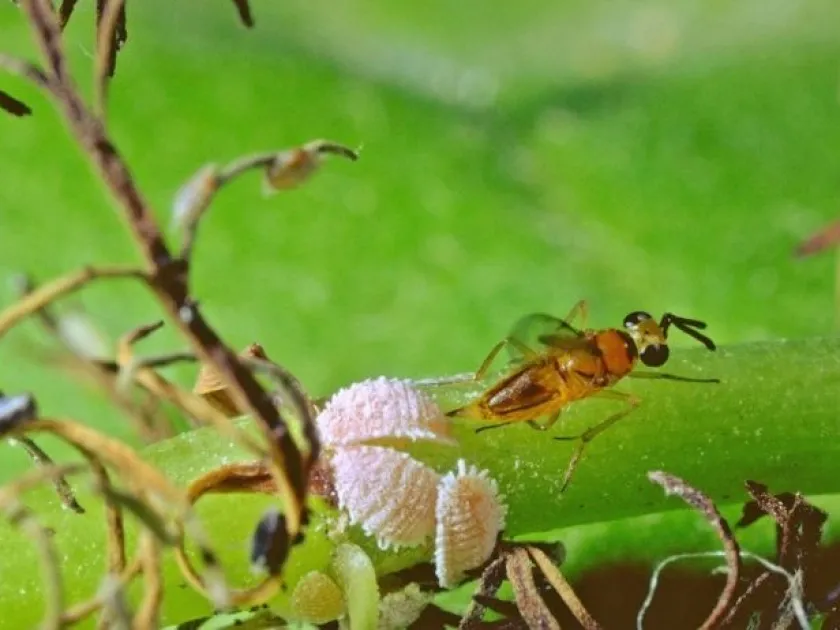
Description
How to identify
Leptomastix flava is a species belonging to the order Hymenoptera and the family Encyrtidae. While primarily studied as a potential parasitoid in biological control programs, its presence in greenhouses and agricultural systems requires careful identification to prevent confusion with harmful pests.
Adult individuals are characterized by a distinct yellowish coloration, which is reflected in their specific epithet. These insects are minute in size, often requiring magnification for precise field identification. Their morphology is highly specialized, allowing them to navigate plant surfaces efficiently.
The life cycle of the species involves complete metamorphosis. It progresses through egg, larval, prepupal, pupal, and adult stages. Each developmental stage is highly dependent on specific environmental conditions, particularly humidity and temperature levels found in protected cultivation.
Identifying this species requires microscopic examination of structural features, such as wing venation and antennal morphology. In professional agricultural settings, specialists often use taxonomic keys to distinguish Leptomastix flava from other similar parasitoid wasps present in the same ecosystem.
Populations are highly sensitive to fluctuating microclimatic conditions. They tend to thrive in stable, warm environments with high humidity, typical of commercial greenhouses where they can establish sustainable populations if the host insects are available.
What it damages
The damage associated with Leptomastix flava is often indirect, as it can disrupt the natural balance within an ecosystem. When populations become excessive, they can impact the physiological state of ornamental and subtropical crops by occupying space and resource niches.
By interfering with the activities of other beneficial insects, this species can unintentionally trigger outbreaks of primary pests, which directly feed on plant tissues. This leads to reduced plant vigor, chlorosis, and potential yield losses in commercial production.
Infestations are most commonly observed on broad-leafed subtropical plants grown under glass. The presence of dense insect colonies on foliage blocks photosynthetic activity and creates conditions favorable for the growth of secondary fungal pathogens.
Furthermore, the physical accumulation of waste products on plant leaves can inhibit respiration and transpiration. This persistent stress makes plants increasingly susceptible to various diseases, reducing both the aesthetic and commercial value of the harvest.
In large-scale greenhouse operations, a failure to manage the population dynamics of these insects can result in stunted growth and deformed fruit production, significantly impacting the economic return on agricultural investments.
Control measures
Effective management requires an integrated approach that prioritizes biological control over heavy chemical intervention. Maintaining a healthy ecosystem is the most sustainable method for long-term population suppression.
Biological control methods involve fostering natural predators that prey on Leptomastix flava or compete with it for resources. This helps restore ecological balance and reduces the need for synthetic chemical applications in sensitive areas.
Cultural practices are essential for preventing outbreaks. These include thorough sanitation of greenhouses, regular cleaning of growing equipment, and the removal of plant debris that might serve as a refuge for the insects during their inactive life stages.
Chemical control should be employed only as a last resort when threshold levels are exceeded. Selectivity is key to ensure that the chemical application does not harm beneficial organisms that contribute to the overall health of the crop.
- Regular monitoring with yellow sticky traps to track population density.
- Strict quarantine protocols for all new plant material introduced to the facility.
- Frequent inspections of the underside of leaves and growing tips.
- Application of horticultural oils or soaps as a preventive measure in low-infestation scenarios.
Taxonomy
- Latin name
- Leptomastix flava
- Order
- Hymenoptera
- Family
- Encyrtidae
- EPPO code
- LPTXFL
Discussion
No discussions yet — be the first.