
Leptomastix
Leptomastix
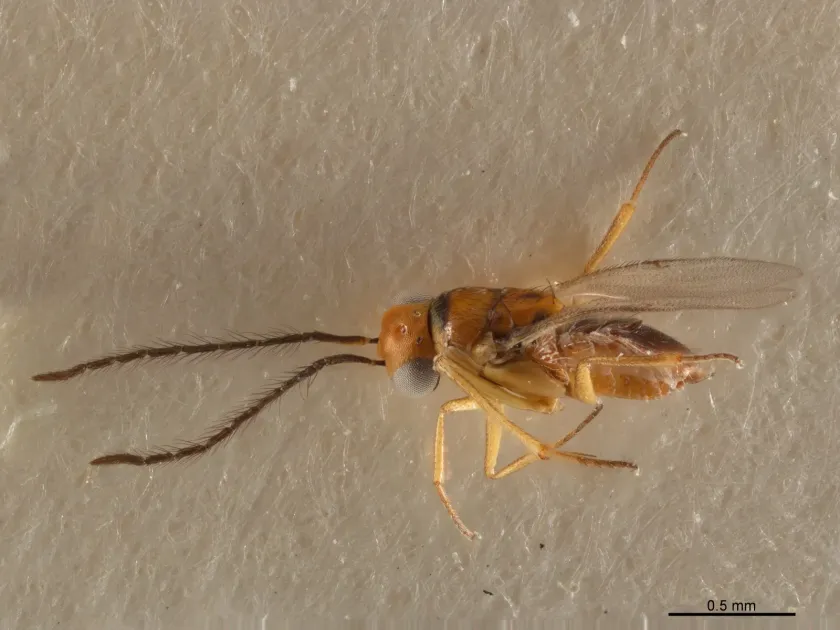
Description
How to identify
Leptomastix is a genus of parasitic wasps within the Encyrtidae family, widely recognized in agronomy for its role as a biocontrol agent against mealybugs.
The most significant species, Leptomastix dactylopii, is a small, metallic-colored insect that excels at tracking down hosts in complex greenhouse environments.
The insect possesses high sensory capabilities, using its antennae to detect the chemical signals released by mealybugs, even at low infestation levels.
The life cycle is tightly synchronized with the development of the host, typically lasting between two to three weeks depending on the ambient temperature.
As a highly specialized parasitoid, it focuses its reproductive energy almost exclusively on specific species of mealybugs, making it extremely reliable.
What it damages
Leptomastix is not a plant pest; it is a beneficial organism used to combat the citrus mealybug (Planococcus citri), which is a major pest for many crops.
Mealybugs cause direct damage by feeding on plant sap, leading to stunted growth, leaf yellowing, and overall weakening of the host plant.
Furthermore, mealybugs excrete honeydew, which serves as a substrate for sooty mold, blocking photosynthesis and reducing the overall quality of the harvest.
By parasitizing the larvae of the mealybug, Leptomastix interrupts the pest's reproductive cycle, effectively causing its death before it can lay eggs.
The use of this parasitoid is a fundamental component of sustainable agriculture, as it replaces or reduces the need for synthetic chemical sprays.
Signs of infestation
The primary indicator of Leptomastix presence is the discovery of "mummified" mealybugs on the leaves and stems of the infested plants.
These mummies feature a characteristic circular emergence hole, indicating that an adult wasp has successfully developed and exited the host carcass.
A noticeable decrease in the white, waxy, cottony masses typical of mealybug colonies is a key sign that the biocontrol population is actively managing the pest.
Visual observation of small, active wasps walking across plant surfaces is another sign that the population is currently working to suppress the infestation.
Reduction in the sticky honeydew residues on the foliage is a secondary benefit often observed as the mealybug population declines due to parasitism.
Control measures
To protect Leptomastix populations, growers must strictly regulate the use of pesticides, as many broad-spectrum chemicals are lethal to these beneficial wasps.
Integrated Pest Management (IPM) protocols suggest applying selective pesticides only when strictly necessary and ensuring they are compatible with the release of natural enemies.
Providing supplementary nectar sources in the greenhouse can significantly increase the longevity and fertility of adult Leptomastix females.
Regular release programs should be coordinated with the pest monitoring data to ensure the ratio of parasitoids to pests is maintained at an effective level.
- Maintain temperatures between 22°C and 27°C for optimal parasitic activity.
- Avoid spraying during the peak flight hours of the parasitoids.
- Use yellow sticky traps primarily for pest monitoring, but check them for any non-target capture of beneficial insects.
Taxonomy
- Latin name
- Leptomastix
- Order
- Hymenoptera
- Family
- Encyrtidae
- EPPO code
- LPTXSP
Discussion
No discussions yet — be the first.