
Leptomastidea
Leptomastidea
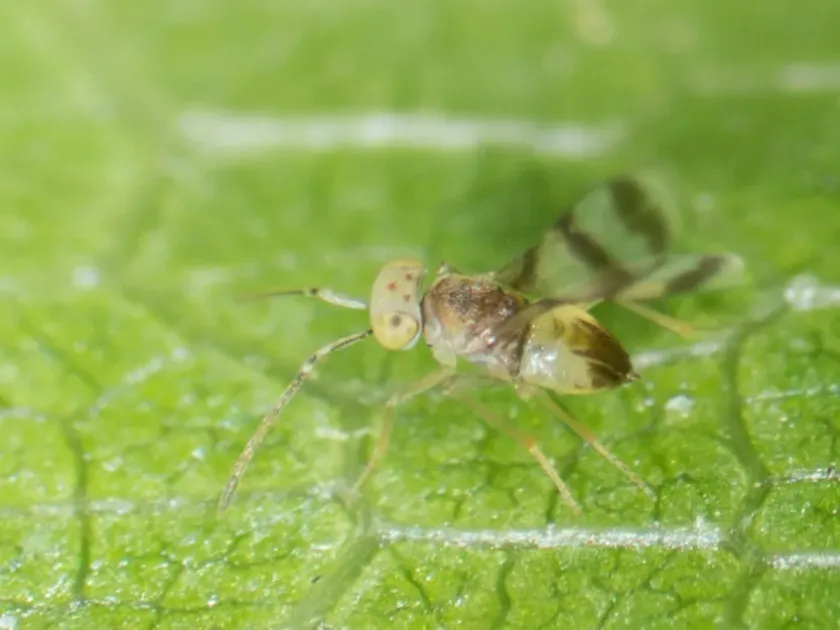
Description
How to identify
Leptomastidea is a genus of parasitic wasps belonging to the family Encyrtidae, order Hymenoptera. These insects are microscopic and play a specific ecological role, often acting as natural regulators within an integrated pest management framework in subtropical horticulture.
The morphology of these wasps is highly specialized, featuring intricate wing venation and sensory antennae that allow for precise identification by entomologists. They are primarily recognized for their role in the biological control of various mealybug species that threaten agricultural productivity.
What it damages
The primary concern regarding the presence of these insects is their association with Planococcus citri, the citrus mealybug. This pest infests citrus trees, vineyards, and various ornamental plants grown in greenhouses and tropical climates.
The damage caused by the host species involves sap extraction from young foliage, shoots, and fruit peduncles. If left unchecked, this leads to significant growth retardation, leaf chlorosis, and the shedding of unripe fruit, causing severe economic losses for growers.
When it appears
The biological cycle is strongly influenced by temperature and humidity. In greenhouse conditions, these insects can persist throughout the year, with their activity cycles overlapping with those of their host species, ensuring a continuous presence.
Peak emergence occurs during warmer months when environmental conditions favor the rapid reproduction of mealybug colonies, providing the necessary density for the parasite's development and population expansion.
Signs of infestation
Signs of infestation include the presence of honeydew deposits on leaves, which serve as a substrate for sooty mold growth. This secondary infection coats the leaves in a black, powdery layer that hinders photosynthesis.
Additionally, gardeners may notice the accumulation of white, waxy, cotton-like masses on the stems and leaf axils. The weakening of the host plant leads to yellowing foliage and potential dieback of younger, tender branches if the infestation becomes systemic.
Control measures
The control strategy focuses on maintaining an ecological balance and using targeted applications only when thresholds are exceeded.
- Integrated Pest Management (IPM) techniques emphasizing biological control.
- Selective use of systemic insecticides that minimize harm to beneficial insects.
- Monitoring population levels using sticky traps to detect early outbreaks.
- Pruning infested branches to reduce the surface area for pest colonization.
Taxonomy
- Latin name
- Leptomastidea
- Order
- Hymenoptera
- Family
- Encyrtidae
- EPPO code
- LPTMSP
Discussion
No discussions yet — be the first.